Everyday Etiquette: Garbage Sorting, Noise, and Ruhezeit
One of the most jarring moments for any new arrival in Austria is the realization that your private apartment isn't exactly a lawless vacuum where you can vacuum at midnight or toss a glass bottle into the trash whenever you please. I remember my first Sunday in Vienna, blissfully unaware, when I decided to hang some shelves; two drill holes later, my neighbor was at my door with a look of pure, concentrated disappointment. This guide is here to save you from those awkward hallway confrontations and help you master the unspoken social contract of Austrian living.
Understanding the Austrian Concept of Ruhezeit
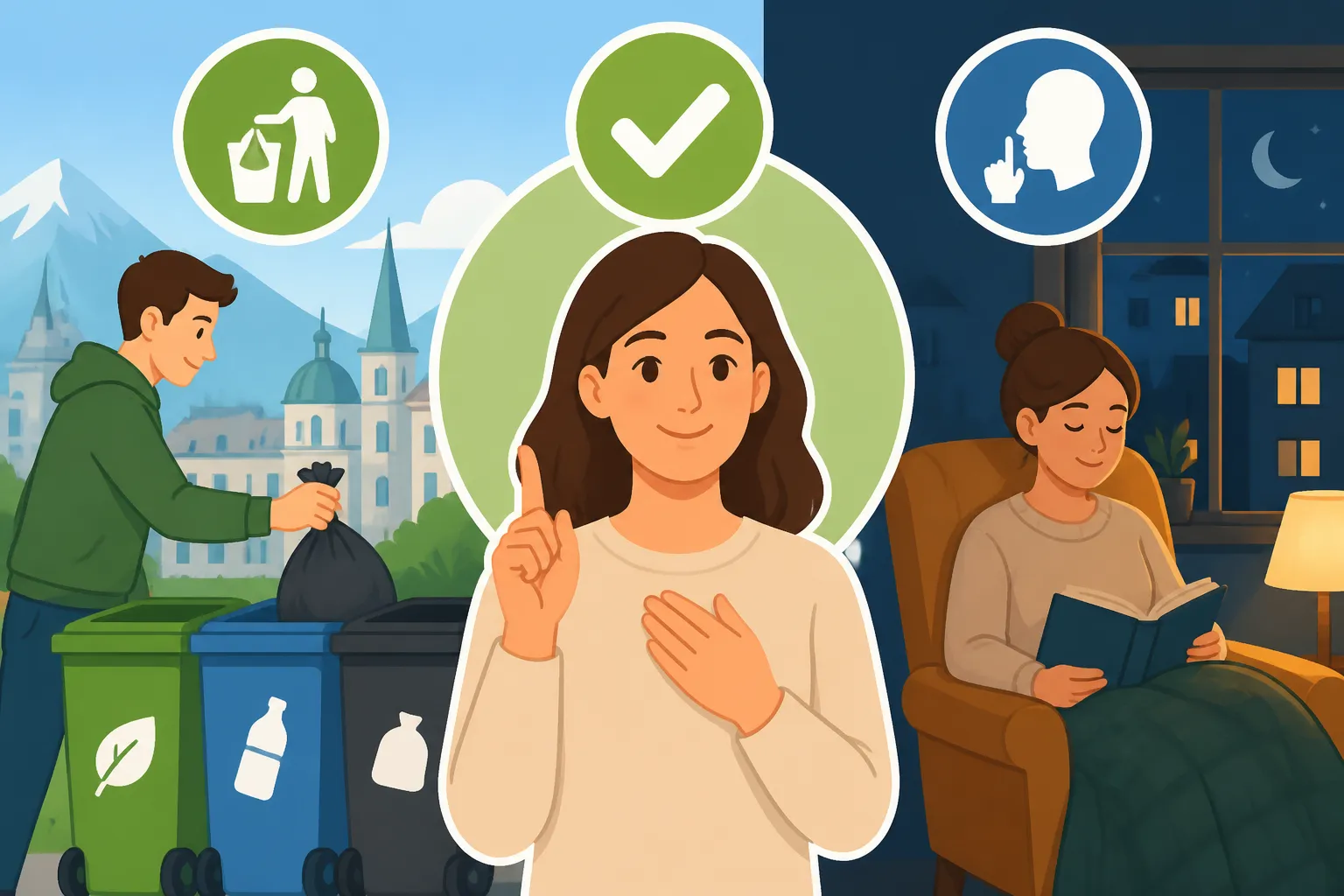
The concept of Ruhezeit, or quiet hours, is perhaps the most sacred pillar of Austrian residential life. It is not merely a polite suggestion but a legally grounded expectation that ensures a high quality of life in densely populated apartment blocks. For many expats coming from cultures where "my home is my castle" translates to "I can make as much noise as I want," the adjustment can be significant. In Austria, the collective right to peace and quiet generally outweighs an individual's desire to perform noisy activities during designated rest periods.
The Legal Framework of Night and Sunday Rest
Strictly speaking, the Law on the Protection of the Night and Sunday Rest (Feiertagsruhe) dictates that certain times are reserved for silence. Generally, night rest begins at 10:00 PM and lasts until 6:00 AM. During these hours, any noise that can be heard outside your four walls—be it loud music, heavy cleaning, or even a particularly spirited conversation on the balcony—is technically a violation. While most people aren't that extreme, it highlights the level of sensitivity you might encounter.
Sundays and public holidays are treated with even more reverence. These are days of total rest. This means no drilling, no hammering, no mowing the lawn in suburban areas, and certainly no loud parties. If you are planning to move into a new place, keep in mind that Quiet Hours (Ruhezeit) and Apartment Neighbor Etiquette apply even during the stress of unpacking. Trying to assemble IKEA furniture on a Sunday afternoon is a surefire way to alienate your new neighbors before you’ve even had a chance to say hello.
House Rules vs Local Ordinances
Beyond the broad national laws, every apartment building has its own Hausordnung (House Rules). This document is usually posted in the lobby or attached to your rental contract. It often contains specific details that go beyond the general law. For example, some buildings extend Ruhezeit to include a "Mittagsruhe" (midday rest) typically between 12:00 PM and 2:00 PM. This is especially common in buildings with a higher population of elderly residents or families with young children.
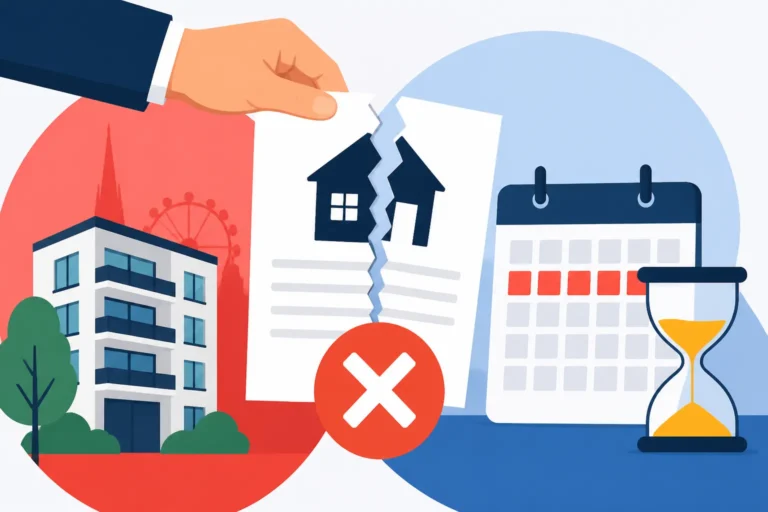
It is vital to read this document carefully because it governs more than just noise. It might specify when you can shake out your rugs or where you can park your bicycle. Ignoring the Hausordnung can lead to written warnings and, in extreme cases, termination of your lease. If you are unsure about the rules in your specific area, you might find it helpful to check a Vienna Neighborhood Guide: Best Districts for Expats to see if certain districts are known for being more relaxed or more stringent regarding these traditional norms.
Social Consequences and De-escalation Strategies
The real enforcement of Ruhezeit rarely involves the police; instead, it involves the "Passive-Aggressive Note" or the "Stern Hallway Glare." Austrians value directness, but they also value order. If you break the silence, you might find a typed letter taped to the front door of the building mentioning "the party in Apartment 4." To avoid this, the best strategy is proactive communication. If you know you are having a housewarming party, put a note in the stairwell a few days in advance. State the date, apologize for the potential noise, and provide your phone number so they can call you directly instead of calling the authorities.
If a neighbor does complain, the "I've-been-there" advice is to apologize sincerely and immediately rectify the situation. Do not argue that "it’s only 10:05 PM." Validating their frustration goes a long way. Building a good rapport through Austrian Greetings: Grüss Gott, Servus, and Handshakes can create a reservoir of goodwill that makes neighbors more tolerant of the occasional accidental noise. A neighbor who knows you as the friendly expat who says "Guten Morgen" is much less likely to report you for a late-night laundry cycle than one who sees you as a nameless source of disruption.
Mastering the Art of Austrian Garbage Sorting
If Ruhezeit is the spiritual pillar of Austrian etiquette, then Mülltrennung (garbage sorting) is the practical one. Coming from a country where everything might go into one or two bins, the Austrian system can feel like a part-time job at first. However, the country takes its recycling incredibly seriously, boasting some of the highest recycling rates in the world. Mismanaging your trash isn't just bad for the planet; it’s a major social faux pas that can lead to fines for the entire building or a very angry Hausmeister (caretaker).
The Color Coded Bin System
The bins in your courtyard or basement are color-coded, and you must learn the "rainbow of rubbish" to survive. The most common bins are the Red bin for Altpapier (old paper and cardboard), the Blue bin for metal and cans (though this is often combined with plastics now), the Yellow bin/bag for plastic packaging, and the Grey or Black bin for Restmüll (residual waste). Cardboard should always be flattened; leaving a large, un-collapsed Amazon box in the paper bin is considered the height of laziness and fills the bin up far too quickly for everyone else.
Since 2025 and 2026, the rules for the Yellow bin have become more inclusive across Austria, often accepting all types of lightweight packaging, including metals in some districts. It is always worth checking your local municipality's website for the most recent updates. In many areas, Managing Household Waste: Strict Recycling Rules Explained is a topic of constant conversation because getting it wrong can lead to the waste management company refusing to empty the bins, which creates a messy and smelly problem for the whole building.
Dealing with Bio-Waste and Special Items
The Brown bin is for Bio-Abfall (organic waste). This includes fruit and vegetable scraps, coffee grounds, and garden waste. However, there is a catch: you cannot throw plastic bags into the bio bin, even if they claim to be "biodegradable" or "compostable," unless they are specifically approved by the local waste authority. Many people use specialized paper bags or simply line a small bin with newspaper. Meat and dairy products are often excluded from the bio bin in certain cities to prevent attracting vermin, so they must go into the Restmüll.
Glass is another category entirely. You will usually find large containers on street corners rather than in your building. These are split into "Weißglas" (clear glass) and "Buntglas" (colored glass). A crucial rule of etiquette here: never drop your glass bottles into these containers during Ruhezeit. The crashing sound of breaking glass at 7:00 AM on a Sunday is enough to wake an entire block and will certainly earn you some enemies. Patience is a virtue; wait until Monday morning to dispose of your wine bottles.
The Infamous Altstoffsammelzentrum (ASZ) Experience
For everything that doesn't fit in a standard bin—think old electronics, broken furniture, batteries, or hazardous liquids—you must visit the Altstoffsammelzentrum (Waste Collection Center), often referred to as the "Mistplatz" in Vienna. You cannot simply leave an old mattress next to the bins in your courtyard. This is known as "illegal dumping" and can result in heavy fines. Most cities offer a few free drop-offs per year for residents.
Navigating the Mistplatz is a rite of passage. You'll drive in, and a staff member will inspect your trunk to tell you exactly which specialized container each item belongs in. It’s an incredibly efficient system, but it requires you to have a car or rent a van. If you’re just starting out, your Move-In Checklist: Utilities, Meldezettel, and Internet Setup should include locating your nearest collection center so you aren't stuck with piles of packing materials in your hallway for weeks.
Apartment Living and Common Area Etiquette
In Austria, the space outside your apartment door is considered a shared responsibility. The "staircase culture" is quite strong, and how you treat these communal areas speaks volumes about your character as a neighbor. Many buildings still have a "Kehrwoche" (cleaning week) or similar informal arrangements where residents are responsible for keeping their floor tidy, though in larger cities, this is increasingly handled by professional cleaning services paid for through your "Betriebskosten" (operating costs).
The Shared Staircase and Storage
The hallway (Gang) should be kept clear at all times. Fire regulations in Austria are extremely strict; you generally cannot leave shoes, strollers, or umbrellas in the hallway as they constitute a tripping hazard during an evacuation. While it might seem convenient to kick off your muddy boots before entering your flat, your neighbors will likely see it as an encroachment on public space.
Your "Kellerabteil" (cellar compartment) is your designated storage area, but even here, etiquette applies. These are often separated by wooden slats, meaning everyone can see (and smell) what you store. Avoid storing anything damp that could cause mold, and never store flammable materials like gasoline or propane tanks. Keeping your storage area organized is a small but appreciated contribution to the building’s overall health.
Balcony Rules and Aesthetics
If you are lucky enough to have a balcony, it is your private oasis, but with caveats. In many historic districts, there are rules about what can be visible from the street. You might be forbidden from hanging laundry over the railing or installing a satellite dish. Even the type of plants you grow can be subject to the Hausordnung—some buildings require specific flower box colors to maintain a uniform facade.
Grilling is another hot-button issue. Electric grills are usually fine, but charcoal grills are almost universally banned on apartment balconies due to smoke and fire risks. If you decide to host a small gathering on your balcony, remember that noise travels upward. A conversation at a normal volume at 11:00 PM can sound like a shout to the person living directly above you. Being mindful of your "upstairs neighbors" is a cornerstone of Quiet Hours (Ruhezeit) and Apartment Neighbor Etiquette.
Laundry Room Protocol
Many older Austrian buildings have a communal "Waschküche" (laundry room) instead of individual hookups in each apartment. This is where the true test of diplomatic skill occurs. There is usually a sign-up sheet or a digital booking system. Respecting your time slot is non-negotiable. If your slot ends at 4:00 PM, your clothes should be out of the machine by 3:59 PM.
Leaving your wet laundry in a shared machine is considered incredibly rude, as it prevents the next person from starting their cycle. Similarly, keep the lint filters clean and wipe down any detergent spills. If you use a drying room, make sure you don't take up more than your fair share of the lines. It sounds trivial, but laundry room disputes have been known to spark decades-long feuds in Viennese apartment blocks. If you have your own machine, remember that the spin cycle shouldn't be running during Ruhezeit!
Navigating Social Interactions with Neighbors
Austrian social etiquette is often described as "distant but polite." You don't need to be best friends with your neighbors, but you do need to acknowledge their existence in a specific way. There is a fine line between being a "friendly neighbor" and an "intrusive stranger," and finding that balance is key to long-term happiness in your home.
The Power of the Grüss Gott Culture
When you pass someone in the hallway or the elevator, it is mandatory to offer a greeting. In most of Austria, "Grüss Gott" is the standard, though "Guten Tag" is fine in more secular or urban settings. In younger, more casual circles, "Servus" or a simple "Hallo" works. Silence is interpreted as rudeness or even hostility.
It is also customary to introduce yourself to your immediate neighbors when you move in. You don't need to bring a gift (though a small box of chocolates never hurts), but a quick knock on the door to say, "Hi, I'm the new person in Apartment 5, just wanted to say hello," goes a long way. This initial effort makes it much easier to handle future issues, like asking for help with a Lost e-card: Reporting and Replacement Process Explained or navigating a local administrative hurdle.
Handling Complaints and Passive-Aggressive Notes
As mentioned, you will eventually encounter the "Zettel" (the note). Austrians are world champions at writing notes to address grievances. If you find one, don't take it as a personal attack. It is simply the local way of avoiding an uncomfortable face-to-face confrontation while still demanding order.
If you have a grievance with a neighbor, try to speak to them in person first. A polite, "Excuse me, would it be possible to keep the music a bit lower on Tuesday nights?" is often more effective than a note, as it shows you are willing to communicate like an adult. However, if the neighbor is notoriously difficult, involving the "Hausverwaltung" (property management) or the "Mietervereinigung" (tenants' association) is the next logical step. They can act as mediators in disputes involving noise, smells, or common area misuse.
Small Talk and Community Integration
Don't expect your neighbors to invite you over for coffee in the first week—or even the first year. Integration in Austria is a slow burn. Small talk usually revolves around safe topics: the weather, the punctuality of the local tram, or the beauty of the nearby park. Over time, these small interactions build trust.
Participating in building-wide events, like the occasional "Hof-Flohmarkt" (courtyard flea market) or a holiday gathering, can accelerate this process. If you have children, the local playground is the primary site for social integration. While your kids play, you’ll naturally fall into conversation with other parents about things like Enrolling Your Child in a Public Kindergarten in Vienna or local school reputations. These connections are invaluable for feeling like you actually "live" in Austria rather than just "staying" there.
Grocery Shopping and Retail Etiquette
Even outside your home, the rules of etiquette follow you. The Austrian supermarket is a high-speed environment where the uninitiated often feel overwhelmed. Efficiency is the name of the game here, and if you slow down the flow, you will feel the collective heat of twenty people staring at the back of your head.
The Speed of the Supermarket Checkout
In many countries, the checkout is a place for a brief chat with the cashier. In Austria, it is a race. As soon as your items start moving on the belt, you should be ready to pack. There is no one to pack your bags for you. The cashier will scan items at a pace that seems physically impossible, and they expect you to move them into your cart or bag just as quickly.
The "pro tip" is to put everything back into your cart loosely as it’s scanned, then move to the packing shelf near the exit to organize your bags at your own pace. Also, always have your payment method ready. Whether it’s cash or card, the time taken to dig through a purse for a loose coin is time the person behind you thinks they’ll never get back. Mastering Supermarket Etiquette: Checkout Speed and Packing Own Bags is a essential skill for your first month.
Cart Ethics and Reusable Bags
Almost all supermarket carts in Austria require a coin deposit (usually 1 or 2 Euros) or a plastic token. This ensures that carts are returned to their designated stations rather than being left in the middle of the parking lot. Leaving a cart astray is a major breach of etiquette.
Additionally, bringing your own reusable bags is the norm. While you can buy paper or plastic bags at the counter, it’s seen as environmentally irresponsible to do so every time. Many Austrians carry a folded "Stofftasche" (cloth bag) with them at all times. If you are doing a large shop, having a sturdy crate or a "trolley" (the kind with wheels) is perfectly acceptable and very common among all age groups.
Sunday Closures and Emergency Options
One of the biggest shocks for expats is that almost everything—grocery stores, pharmacies, clothing shops—is closed on Sundays. This is part of the national commitment to Ruhezeit and family time. If you run out of milk on a Sunday morning, you can't just head to the local Billa. You have to plan ahead.
There are exceptions, however. Stores located in major train stations (like Wien Hauptbahnhof or Westbahnhof) and at airports remain open on Sundays. Some gas station convenience stores (like BP Merkur Inside) also offer basic groceries, though at a higher price. Understanding these Sunday Shopping Laws: Why Everything is Closed will save you from many hungry Sunday afternoons during your first few months.
Public Space and Transportation Manners
Austria’s public transport system is world-class, but it only works because everyone follows a set of strict, often unspoken, rules. Whether you are on the U-Bahn in Vienna or a regional ÖBB train, your behavior reflects your respect for your fellow travelers.
Escalator and Public Transit Flow
The golden rule of the escalator is: "Rechts stehen, links gehen" (stand on the right, walk on the left). If you stand on the left and block someone trying to catch their train, you will likely be asked to move, sometimes not very politely.
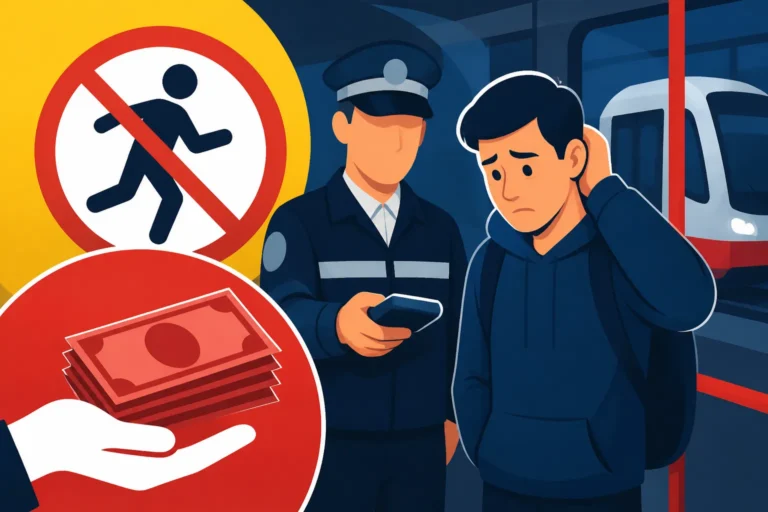
When a train or bus arrives, let people off before you attempt to board. This seems like common sense, but in the rush of commuting, it’s easy to forget. Once inside, move to the center of the carriage. Blocking the doors is a major grievance for other passengers. If you are using your phone, use headphones. Loudly playing videos or having a speakerphone conversation is considered extremely rude. If you're traveling across the country, knowing How to Validate Physical ÖBB Train Tickets Before Boarding is vital, as a fine for "Schwarzfahren" (riding without a ticket) is a very expensive way to learn a lesson.
Hiking and Mountain Safety Etiquette
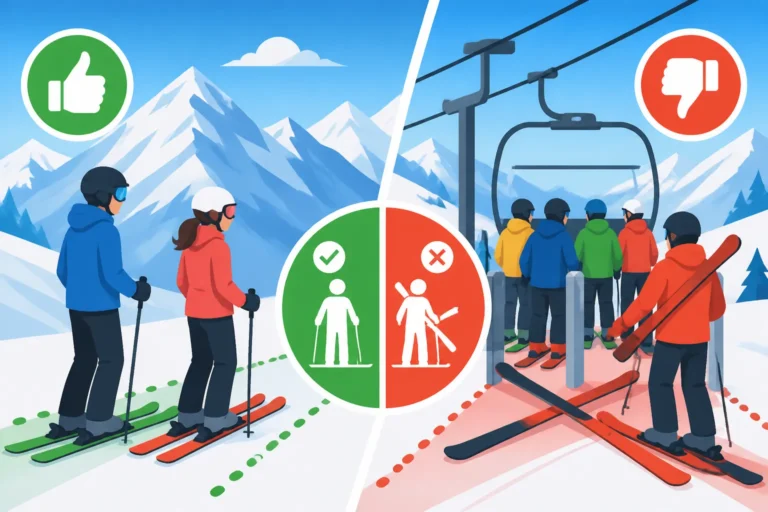
Austria is a nation of hikers, and the mountains have their own code of conduct. When hiking, it is customary to greet everyone you pass with a "Bergfrei" or more commonly "Servus" or "Grüss Gott." If you are descending and someone is ascending, the person going up generally has the right of way, as it’s harder to regain their rhythm.
Stay on the marked trails to protect the local flora and fauna. If you see Reading Red-White-Red Hiking Trail Markers in Austria, you know you are on a managed path. Taking shortcuts through meadows isn't just bad for the grass; it can be dangerous. Always take your trash with you—every single piece. Leaving even an apple core is frowned upon in high alpine environments where decomposition is slow.
Restaurant and Coffee House Norms
Dining out in Austria is meant to be a relaxed experience. In many traditional "Gasthäuser" or "Kaffeehäuser," you choose your own table unless there is a "Reserved" sign. Once seated, you are welcome to stay as long as you like. Waiters will generally not bring the check until you ask for it ("Zahlen, bitte!"), as bringing it unprompted is seen as rushing the guest.
Tipping is standard but different from the US. A tip of about 5% to 10% is customary. You usually "round up" the bill. For example, if the bill is €18.40, you might hand the waiter €20 and say "Stimmt so" (it’s correct), or tell them "Neunzehn, bitte" to give a smaller tip. Tipping is done at the moment of payment, not by leaving money on the table. Knowing Tipping Etiquette: How Much to Tip in Restaurants helps you avoid looking like a stingy tourist or an overly-extravagant outsider.
| Topic | Standard Expectation | Common Mistake |
|---|---|---|
| Ruhezeit | Silent 10 PM – 6 AM; Total rest on Sundays. | Vacuuming or drilling on Sunday afternoons. |
| Garbage | Flattened cardboard; Glass separated by color. | Putting plastic bags in the organic waste bin. |
| Greetings | Saying "Grüss Gott" in the hallway or elevator. | Avoiding eye contact or silence with neighbors. |
| Shopping | Packing bags at high speed at the checkout. | Chatting with the cashier while people wait. |
| Transport | Standing on the right side of the escalator. | Standing on the left or blocking the U-Bahn doors. |
| Restaurants | Rounding up the bill when paying the waiter. | Leaving a pile of cash on the table and walking out. |
Moving and Administrative Courtesy
The process of moving house is when you are most likely to accidentally break every etiquette rule in the book. Between the heavy lifting, the truck parking, and the paperwork, it’s a minefield of potential neighborly friction.
Informing Neighbors of Noisy Moves
If you are moving in or out, it is highly recommended to post a notice in the hallway at least a week in advance. Apologize for the use of the elevator and the potential noise. If you need to block a portion of the sidewalk for a moving van, you may need a permit from the local Magistrat.
During the move, try to keep the "Stiege" (staircase) as clean as possible. Moving boxes often leave a trail of dust or cardboard scraps. A quick sweep of the hallway after the movers have finished is a gesture that won't go unnoticed. If you are moving to a new district, remember that The Meldezettel Process: Registering Your Address Legally must be completed within three days of moving in—this is a legal requirement, not just a suggestion.
Managing the Meldezettel and Address Logistics
In Austria, the government likes to know exactly where everyone lives. Every time you move, you must register your new address at the "Meldeamt" (registration office). This is a quick process, but it requires a form signed by your landlord.
Failing to do this can complicate everything from getting your Austria Healthcare System 2027: Complete Guide for Foreign Residents access to opening a bank account. It’s also considered good etiquette to update your address with your employer, insurance, and the post office immediately. Using a "Nachsendeauftrag" (mail forwarding service) for a few months ensures you don't miss important letters and that the new tenant isn't burdened with your old mail.
Disclaimer
This guide is intended for informational purposes and reflects the personal experiences of expatriates living in Austria. While we strive for accuracy, local ordinances and house rules can vary significantly between provinces and individual apartment buildings. Always consult your official rental agreement and local municipal guidelines for the most current legal requirements. This article does not constitute legal advice.