Quiet Hours (Ruhezeit) and Apartment Neighbor Etiquette
You’ve just moved into your beautiful Altbau, and it’s finally Sunday afternoon. You decide to hang a few pictures, only to have a neighbor pounding on your door within five minutes of the first hammer strike. I’ve been there, standing in my hallway holding a drill, feeling like a criminal for just trying to make my house a home. This guide explains Austria’s strict Quiet Hours and how to navigate neighbor etiquette without losing your mind.
Understanding the Legal Framework of Ruhezeit
The concept of Ruhezeit, or quiet hours, is not just a polite suggestion in Austria; it is a deeply ingrained legal and social expectation. While there are federal guidelines regarding noise, much of what you will experience is governed by provincial laws and, most importantly, your specific building rules. If you are living in an apartment, the first thing you should do is look for the Hausordnung (House Rules), usually posted in the lobby or near the mailboxes. This document is the "bible" of your building.
Federal and Municipal Noise Regulations
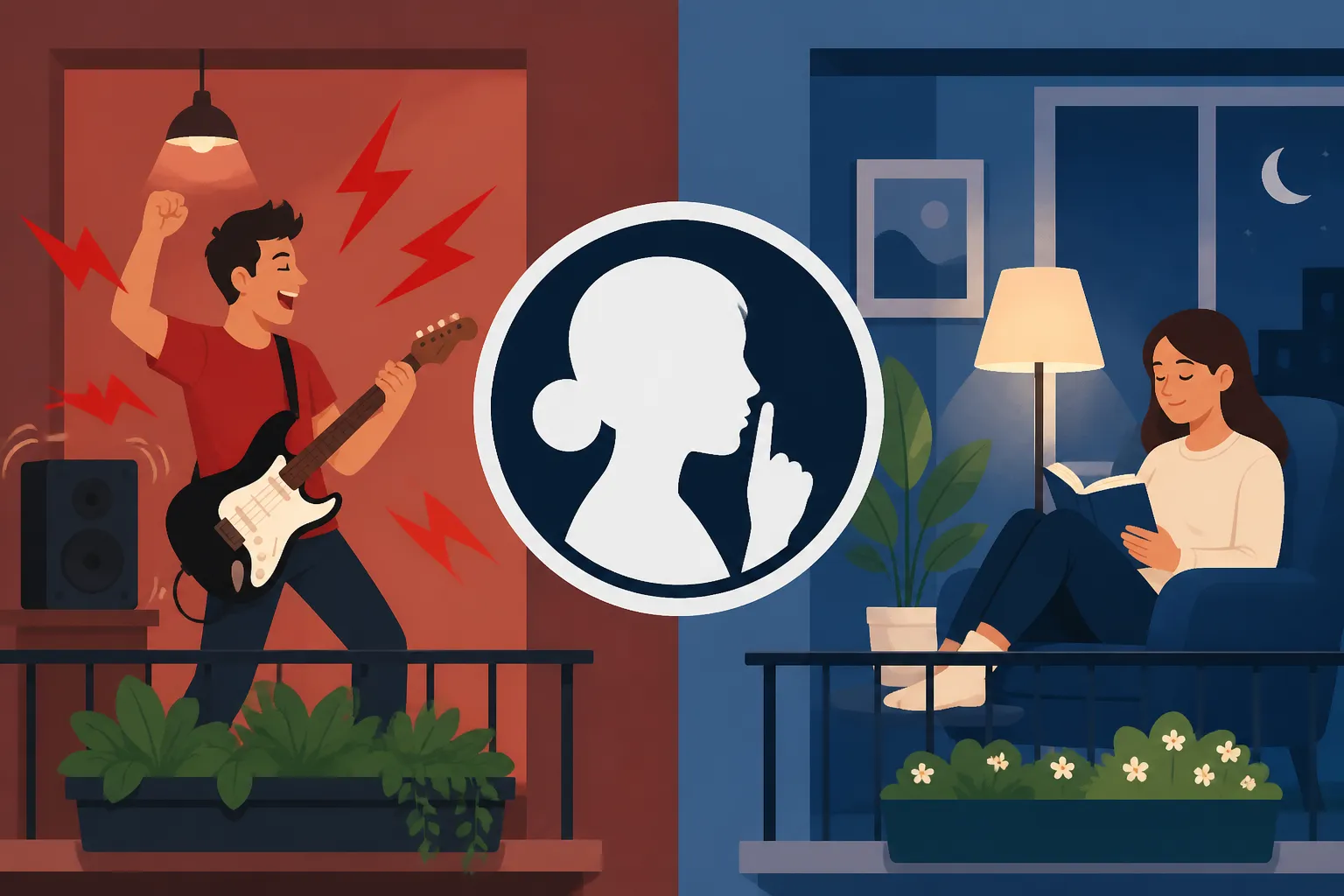
In most Austrian cities, including Vienna, Graz, and Linz, the general rule for "Night Quiet" (Nachtruhe) is from 10:00 PM to 6:00 AM. During these hours, any noise that exceeds Zimmerlautstärke—which literally translates to "room volume"—is prohibited. This means that if your neighbor can hear your TV, your conversation, or your music in their own apartment with their windows closed, you are technically in violation of the law.
In some districts, particularly more residential areas like Döbling in Vienna or the outskirts of Salzburg, these rules are enforced with a level of rigor that can be shocking to newcomers. It isn't just about loud music; it's about the cumulative "hum" of life. I remember a friend being told off by a neighbor for taking a shower at 11:30 PM because the old pipes in their Altbau made a whistling sound that kept the neighbor awake. While the law generally protects your right to maintain personal hygiene at any hour, the social pressure to conform to these blocks of silence is immense.
The Sacred Status of Sundays and Public Holidays
If you think the weekday rules are strict, Sunday in Austria is on another level. Historically rooted in religious tradition but now maintained as a secular "day of rest," Sunday is a time of near-total silence. From Saturday night until Monday morning, activities like vacuuming, using a power drill, mowing the lawn, or even loud balcony conversations are strictly frowned upon.
Many expats ask, Quiet Hours (Ruhezeit): Can I Vacuum on a Sunday?, and the answer is technically "it depends," but socially it is a resounding "please don't." Most house rules explicitly forbid mechanical noise on Sundays. This is a day for reading, quiet walks, and perhaps a low-volume radio. If you decide to spend your Sunday afternoon assembling IKEA furniture you found on Willhaben, you are almost guaranteed a visit from a disgruntled neighbor or a formal note in your mailbox the following morning.
House Rules as a Legally Binding Agreement
When you signed your lease and paid your Understanding Kaution (Deposit) and Provision (Commission), you likely agreed to abide by the Hausordnung. These rules can be even more restrictive than city laws. For example, some buildings mandate a "Midday Quiet" (Mittagsruhe) between 12:00 PM and 2:00 PM. This is designed to allow children and the elderly to nap in peace.
During Mittagsruhe, you should avoid playing instruments or performing any DIY tasks. I’ve lived in buildings where even the sound of a heavy door slamming during these hours was enough to trigger a collective sigh from the hallway. Understanding these hyper-local rules is essential because repeated violations can actually lead to the termination of your rental contract, although this is a last resort after many warnings.
The Cultural Unwritten Rules of Austrian Apartment Living
Beyond the legalities, there is a complex layer of "unwritten" etiquette that determines whether you are the beloved expat neighbor or the "noisy foreigner" everyone avoids at the trash bins. These rules are about mutual respect and the preservation of the "private sphere," which Austrians value highly.
The Concept of Zimmerlautstärke and Audio Etiquette
The term Zimmerlautstärke is the gold standard for noise control. It essentially means that the sound of your activities should stay within the four walls of the room you are in. This applies to everything from home cinema systems to practicing the violin. If you are a musician, you have a right to practice, but even this is limited by time (usually no more than two hours a day) and must happen outside of Ruhezeit.
I learned the hard way that bass travels through the thickest stone walls of a 19th-century Altbau vs Neubau: Differences in Rent, Charm, and Heating. You might think your music is low, but the subwoofer on the floor is sending vibrations directly into the bedroom of the person below you. If you must have high-quality audio, investing in a good pair of headphones or isolating your speakers with foam pads is a small price to pay for neighborly peace.
Managing Daily Chores and Appliance Noise
In a modern Neubau, you might get away with running a washing machine at 9:00 PM. In an older building, the vibration can sound like a jet engine taking off to the person living underneath. Most veteran expats suggest finishing all laundry and dishwashing by 8:00 PM just to be safe.
Vacuuming is another flashpoint. It is generally accepted between 8:00 AM and 12:00 PM, and then from 2:00 PM to 8:00 PM on weekdays and Saturdays. If you are working a 9-to-5 job, this leaves you a narrow window on Saturday to get your cleaning done. It feels restrictive at first, but you eventually fall into a rhythm. You start to appreciate that when you are tired on a Tuesday night at 10:00 PM, you won’t hear your neighbor’s Roomba thumping against your bedroom wall. This is one of those aspects of Everyday Etiquette: Garbage Sorting, Noise, and Ruhezeit that defines life in Central Europe.
Ventilation and the Art of Lüften
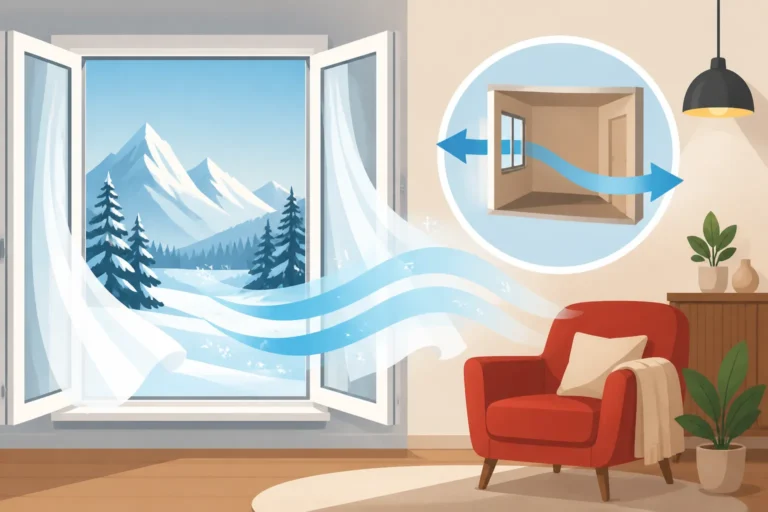
You might not think of opening a window as a noise issue, but in Austria, how you ventilate your apartment is part of being a good neighbor. Stoßlüften—opening all windows wide for five minutes to flush out the air—is the standard. However, doing this while having a loud phone conversation on speakerphone is a major faux pas.
Austrians value their fresh air, but they don't necessarily want to hear the intimate details of your life while they are doing their own Lüften. Furthermore, if you are cooking something particularly pungent, be mindful of where that air is going. If your kitchen window opens into a small, enclosed courtyard (a common feature in Vienna), the smell of frying onions or spices will travel directly into everyone else’s living rooms. It’s not "noise" in the traditional sense, but it is considered a disturbance of the peace.
Social Etiquette and Neighbor Relations
Building a good relationship with your neighbors is your best defense against noise complaints. In Austria, there is a specific way to navigate social interactions in an apartment block that balances friendliness with the traditional desire for distance.
The Art of the Neighbor Introduction
When you first move in, it is highly recommended to introduce yourself to your immediate neighbors (left, right, and directly below). You don't need to bring a gift or invite them for dinner; a simple knock on the door, a polite "Guten Tag," and a brief explanation that you’ve just moved in is sufficient.
I found that by introducing myself early, my neighbors were much more likely to knock on my door and ask me to turn down the music rather than calling the Hausverwaltung or the police. It humanizes you. If they know you are a nice person who is trying their best to learn the rules, they will give you more grace when you accidentally drop a heavy pot at 11:00 PM. This is a key part of navigating Culture Shock: Adapting to Direct Austrian Communication—being direct and proactive rather than waiting for a conflict to arise.
Handling Parties and Social Gatherings
Austrians do have parties, and they do enjoy social lives, but they handle the noise aspect with a "notice and negotiate" approach. If you are planning a housewarming party, the standard procedure is to hang a polite note in the stairwell (Stiegenhaus) at least three or four days in advance.
The note should say something like: "Dear Neighbors, I am having a small gathering on Saturday, [Date], starting at 7:00 PM. It might get a bit louder than usual. I will try to keep the noise down after 10:00 PM. Thank you for your understanding! Signed, [Your Name], Apt [Number]." This doesn't give you a legal right to be as loud as you want, but it significantly reduces the likelihood of someone complaining. Many neighbors will actually appreciate the heads-up and might even stop by to say hello.
Garbage Sorting as a Neighborly Duty
You might wonder what trash has to do with noise, but in the ecosystem of an Austrian apartment building, the Müllraum (trash room) is a high-traffic area where reputations are made or broken. If you are throwing glass bottles into the recycling bin at 11:30 PM, the crashing sound will echo through the building. Most buildings have rules against using the glass or metal recycling bins during Ruhezeit.
Additionally, Everyday Etiquette: Garbage Sorting, Noise, and Ruhezeit dictates that you must sort your trash correctly. If you leave a mess or put plastic in the paper bin, it’s often the neighbors who end up policing this. A neighbor who sees you consistently respecting the communal spaces is much less likely to be annoyed by your occasional late-night footsteps.
Dealing with Conflict and Noise Complaints
Even with the best intentions, conflicts happen. Someone might be more sensitive to noise than average, or you might genuinely not realize how thin the walls are. Handling these situations with the "Austrian approach" can save you a lot of stress.
The Direct Approach vs. The Passive-Aggressive Note
If a neighbor is being too loud, the first step is almost always a polite, direct conversation. In many cultures, this feels confrontational, but in Austria, it is seen as the most respectful way to handle a problem. Knock on the door and say, "Entschuldigung, the music is a bit loud for me, could you turn it down?" Usually, they will apologize and comply.
However, you will also encounter the infamous "Zettelwirtschaft"—the culture of leaving anonymous or semi-anonymous notes. If you find a note on your door or in the hallway complaining about your noise, don't take it as a personal attack. It is a cultural quirk. Respond by being extra quiet for a few days, and if you know who wrote it, perhaps leave a short note back apologizing. Avoid getting into a "note war" in the public hallway, as this reflects poorly on everyone involved and can annoy the other residents.
When to Involve the Hausverwaltung
If a neighbor is consistently violating the Ruhezeit and direct conversation hasn't worked, the next step is the Hausverwaltung (Property Management). You should keep a "noise log" for a week or two, noting the dates, times, and types of noise. This gives the management concrete evidence to act upon.
Conversely, if you are the one being complained about, the Hausverwaltung will likely send you a formal letter. Do not ignore this. Contact them, explain your side of the story, and ask for specific details about the complaints. Often, these issues can be resolved with a simple mediation session. If you feel you are being unfairly targeted, this is the time to check your rights regarding Filing a Formal Complaint About Noisy Apartment Neighbors.
The Nuclear Option: Calling the Police
In Austria, the police (reached via 133) can be called for a "Lärmerregung" (noise disturbance). This is generally reserved for extreme situations, like a massive party at 2:00 AM that won't stop, or a neighbor screaming for hours. The police will come, ask for the noise to stop, and may issue a fine on the spot.
As an expat, you really want to avoid being the reason the police are called. Not only is it embarrassing, but it can also have implications for your reputation with the landlord. If the police are called to your apartment, stay calm, be extremely polite, and immediately comply with their requests. They are not there to arrest you; they are there to restore the peace of the neighborhood.
Practical Tips for a Quiet Home
Living in an apartment requires a bit of strategy to ensure you aren't accidentally disturbing others. Whether you are in a trendy district in the Vienna Neighborhood Guide: Best Districts for Expats or a quiet suburb in Graz, these tips will help.
Soundproofing Your Apartment
If you live in an Altbau, the high ceilings and hardwood floors are beautiful but act like a drum. The best thing you can do is use rugs—lots of them. Area rugs with thick pads underneath can reduce the sound of your footsteps by up to 50%. This is particularly important if you have children or pets.
Furniture also helps. A room full of "soft" surfaces (curtains, bookshelves full of books, upholstered sofas) will absorb sound much better than a minimalist room with bare walls. If you have a shared wall with a neighbor's bedroom, placing a large wardrobe or a bookshelf against that wall creates a natural sound barrier.
Negotiating Pet Noise and Children
Children have a legal right to play, and Austrian courts have generally ruled that "child noise" is a natural part of life and cannot be strictly forbidden even during Ruhezeit. However, as a parent, it’s still good etiquette to try to steer louder play away from the early morning or late evening hours.
For dog owners, the rules are stricter. A dog that barks incessantly can be considered a noise nuisance. It is your responsibility to train your pet or ensure they are not left alone for long periods if they suffer from separation anxiety. If you are just moving in, make sure you've handled your Registering for the OBS Household Broadcasting Levy and other administrative tasks so you can focus on settling your pets into their new environment.
Comparison of Permitted vs. Restricted Activities
| Activity | Weekdays (8:00 – 20:00) | Midday (12:00 – 14:00) | Night (22:00 – 6:00) | Sundays / Holidays |
|---|---|---|---|---|
| Hammering / Drilling | Permitted | Diskouraged | Strictly Forbidden | Forbidden |
| Vacuuming | Permitted | Permitted (Low) | Forbidden | Forbidden |
| Loud Music | Permitted (Zimmerlautstärke) | Diskouraged | Strictly Forbidden | Strictly Forbidden |
| Washing Machine | Permitted | Permitted | Diskouraged (Vibration) | Permitted (Neubau only) |
| Showering / Bathing | Permitted | Permitted | Permitted | Permitted |
| Children Playing | Permitted | Permitted | Restricted (Indoor) | Permitted |
Summary of Etiquette Standards
Living in Austria requires a shift in mindset. You are moving from a "my home is my castle" mentality to a "my home is part of a shared ecosystem" reality. By respecting the Ruhezeit, you aren't just following a law; you are participating in a social contract that ensures everyone, including you, gets the rest they need.
Always remember that the people living around you have different schedules—some might be shift workers at the local hospital, others might be parents of newborns. A little bit of empathy goes a long way. If you are ever in doubt, just ask yourself: "Would I want to hear this sound if I were trying to sleep?" If the answer is no, save that activity for tomorrow morning.
Disclaimer
This guide is intended for informational purposes only and does not constitute legal advice. Noise regulations and house rules can vary significantly by municipality, district, and individual rental contract. Always consult your specific Hausordnung and, if necessary, seek professional legal counsel or contact the Arbeiterkammer (AK) for tenant rights issues in Austria.