Surviving Tick Season (Zecken) in Austrian Forests
Finding a tiny, dark speck burrowed into your skin after a lovely Sunday hike in the Wienerwald is a rite of passage for every expat in Austria, but it is one that often triggers immediate panic. I still remember the cold sweat I broke into when I found my first tick after a picnic in the Prater; I had no idea if I should run to the ER or just grab tweezers. This guide solves that uncertainty by walking you through the local risks, the essential vaccination protocols, and the exact steps to take if you get bitten.
Understanding the Risk of Zecken in the Austrian Landscape
When you first move here, the beauty of the Austrian Alps and the lush Danube floodplains is intoxicating. However, these environments are the primary habitat for the Ixodes ricinus, known locally as the Zecke. Unlike some countries where ticks are confined to deep, remote forests, in Austria, they are everywhere. You can pick one up in your manicured garden in the 19th district of Vienna just as easily as you can on a mountain trail in Tyrol. They don't jump or fly; they sit on the tips of long grass or low-hanging branches, waiting for a warm-blooded host to brush past.
The tick season in Austria has traditionally run from March to November, but with increasingly mild winters, experts are seeing activity as early as February. If the temperature stays above 7 degrees Celsius for a few days, the ticks wake up. This is a crucial piece of local knowledge because many expats let their guard down during the "shoulder" seasons. You must realize that Austria is considered a high-risk zone for tick-borne diseases. The geography—ranging from humid river valleys to dense alpine forests—provides the perfect breeding ground for these parasites.
The density of the tick population varies by region, but areas like Lower Austria, Upper Austria, Styria, and Carinthia are notorious for high infection rates. Even if you are living in a city, the green belts surrounding urban centers are active zones. This is why understanding the local medical landscape and having your Healthcare Checklist for Your First 30 Days in Austria in order is so vital. You aren't just protecting yourself against a bite; you are navigating a geographical reality where these insects are a permanent part of the ecosystem.
The Hidden Dangers of FSME and Lyme Borreliosis
In Austria, the conversation around ticks focuses on two primary threats: Frühsommer-Meningoenzephalitis (FSME) and Lyme Borreliosis. FSME, or Tick-Borne Encephalitis (TBE), is a viral infection that attacks the central nervous system. It is particularly scary because there is no cure once you are infected; doctors can only treat the symptoms. The virus is present in the tick's salivary glands, meaning it can be transmitted almost immediately upon the tick biting you. This is a stark contrast to other diseases that require the tick to be attached for hours.
Lyme Borreliosis, on the other hand, is a bacterial infection. It is much more common than FSME, but it can usually be treated with a strong course of antibiotics if caught early. The classic sign is the Wanderröte, or erythema migrans—a bullseye-shaped rash that spreads out from the bite site. However, there are cases where the rash never appears, leading to chronic joint pain and neurological issues months later. In the Austrian medical system, doctors are very well-trained to spot these signs, but as an expat, you must be your own advocate.
If you are ever unsure about a symptom after a forest walk, you should not hesitate to seek professional advice. Browsing Finding Medical Care in Austria: Clinics, Hospitals, and Referrals can help you locate a Hausarzt who understands the local prevalence of these bacteria. The prevalence of Borreliosis is estimated at about 20% to 30% of all ticks in certain Austrian regions, which is a staggering statistic when you consider how often we interact with nature here.
Why Austrian Ticks Are a Year-Round Conversation
You will notice that every spring, the windows of every Apotheken in Austria: Prescription Workflow and Night Shifts are plastered with posters of giant ticks. This is not just a marketing ploy; it is a public health campaign. The "Zecken-Impfaktion" is a period where the government and social insurance providers subsidize the cost of the FSME vaccine. It is a cultural staple here; your Austrian colleagues will likely ask you if you have had your "Zecken-Impfung" as casually as they ask about your weekend plans.
This level of awareness exists because the cost of failure is high. While the percentage of ticks carrying the FSME virus is lower than those carrying Borreliosis (usually around 1% to 5% depending on the region), the severity of the brain inflammation it causes is life-altering. As an expat, coming from a country where ticks might not be a major concern, it is easy to dismiss this as "local paranoia." Trust me, after living here through several seasons, you begin to see that this caution is born from decades of managing a very real health risk.
Prevention Strategies for Every Expat Adventurer
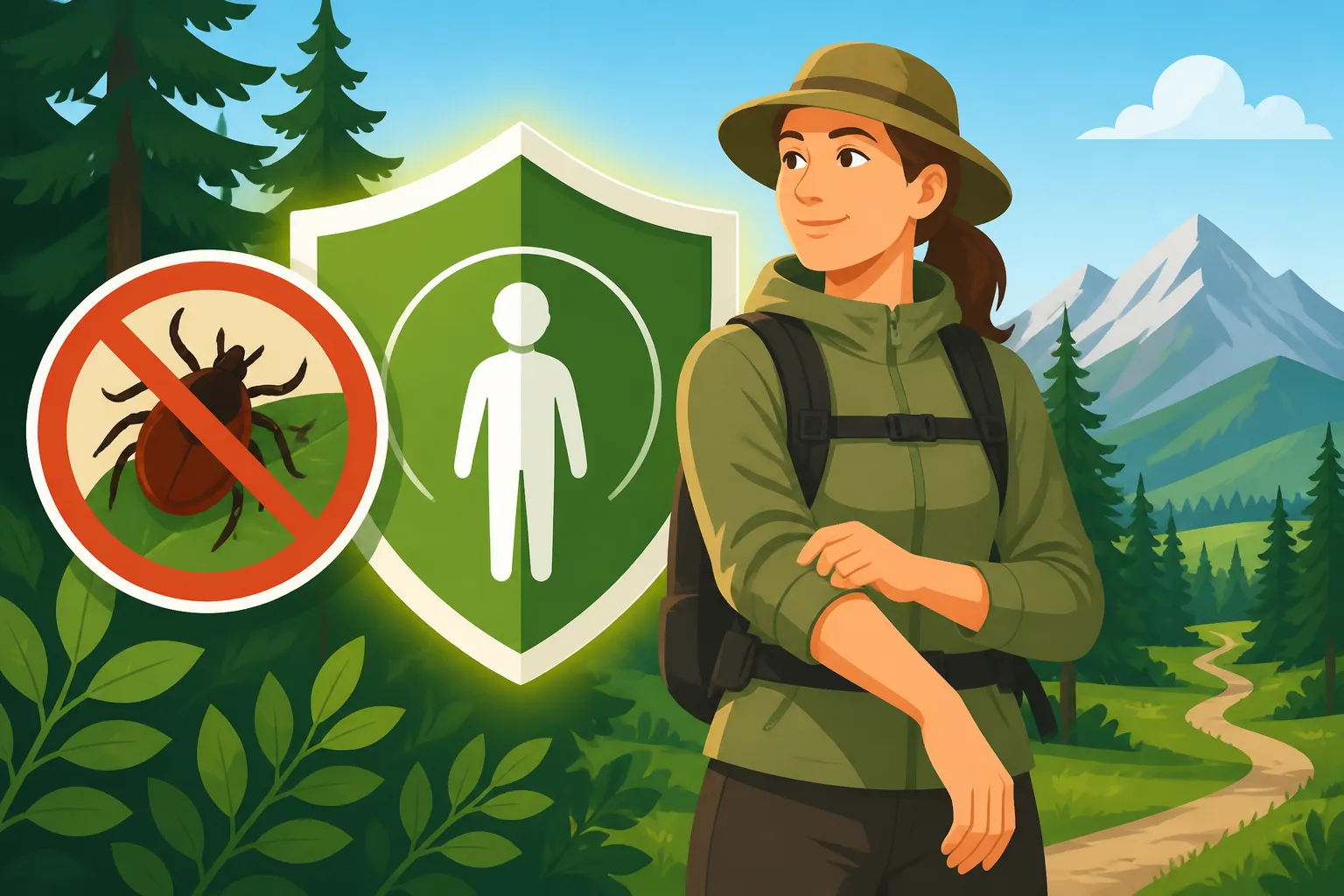
The most effective way to survive tick season is to never get bitten in the first place. This sounds simple, but it requires a change in habits. When hiking in the Austrian woods, "forest fashion" trumps style every time. The goal is to minimize exposed skin. This means wearing long trousers and—this is the part most expats resist at first—tucking your trousers into your socks. It looks ridiculous, but it creates a physical barrier that prevents ticks from crawling up your legs. Light-colored clothing is also a must, as it makes it much easier to spot a tiny black tick crawling on you before it finds a patch of skin.
In addition to clothing, chemical repellents are your second line of defense. Look for products containing DEET or Icaridin. In any Austrian supermarket or pharmacy, you will find brands like Anti-Brumm or Autan. Apply these liberally to your ankles, wrists, and neckline. However, remember that repellents only last a few hours and are not 100% effective. It is wise to do a thorough "tick check" the moment you get home. Ticks love warm, soft areas: check behind your knees, in your armpits, behind your ears, and along your hairline. If you have children, check their scalps meticulously, as ticks often climb to the highest point they can find.
If you are planning an extended stay or frequent trips to the mountains, you should also look into Preventive Care: Gesundenuntersuchung and Routine Checkups. During these routine checks, you can discuss your lifestyle with your doctor, and they can provide personalized advice on repellents and clothing based on the specific regions of Austria you plan to visit.
The Tick-Borne Encephalitis Vaccination Protocol
If there is one thing you take away from this guide, let it be this: get vaccinated against FSME. While there is no vaccine for Lyme Borreliosis, the Tick-Borne Encephalitis (FSME) Vaccine: Why You Need It is highly effective and widely available. The Austrian vaccination schedule is quite specific. It usually starts with two doses given a few weeks apart, followed by a third dose 5 to 12 months later. After this initial "Grundimmunisierung," you only need a booster every five years (or every three years if you are over 60).
The process of getting the vaccine is uniquely Austrian. You typically go to the Apotheke, buy the vaccine yourself (often at a discounted price during the spring campaign), and then take it to your Hausarzt to have it administered. Some doctors keep the vaccine in stock, but it is always worth checking first. If you are newly arrived and haven't found a permanent doctor yet, you can look at Finding English-Speaking Doctors in Austria's Major Cities to find someone who can guide you through the process in your native language.
Do not wait until you have a hiking trip planned for next weekend to start your vaccination. It takes time for the body to build immunity. If you start the process in the winter, you will be fully protected by the time the ticks wake up in the spring. This is a fundamental part of Austria Healthcare System 2027: Complete Guide for Foreign Residents; the system is designed around the idea that the population is proactively vaccinated against this specific local threat.
Comparing Tick-Borne Risks in Austria
| Feature | FSME (Tick-Borne Encephalitis) | Lyme Borreliosis |
|---|---|---|
| Pathogen Type | Virus | Bacteria |
| Vaccine Available | Yes (Highly Recommended) | No |
| Transmission Time | Immediate (Saliva) | Usually 12-24 hours of attachment |
| Primary Symptom | Flu-like symptoms, then neurological issues | Bullseye rash (Wanderröte), joint pain |
| Treatment | Symptom management only | Antibiotics |
| Austrian Prevalence | High-risk zones throughout the country | Very common nationwide |
What to Do After a Tick Bite in Austria
Even with the best prevention, a tick might still find its way onto you. If you find a tick that has already attached itself, the most important rule is: do not panic and do not use "grandma's home remedies." In the past, people suggested smothering the tick in oil, butter, or nail polish to "suffocate" it. This is dangerous. When a tick is stressed or suffocated, it is more likely to regurgitate its stomach contents—including any bacteria or viruses—directly into your bloodstream.
The correct way to remove a tick is with a specialized tool. In any Austrian pharmacy, you can buy a Zeckenzange (tick tweezers) or a Zeckenkarte (tick card). These tools are designed to grasp the tick as close to your skin as possible. You want to pull it out with a steady, upward motion without twisting. Twisting can cause the head to break off and stay in your skin, which can lead to a localized infection. Once the tick is out, disinfect the area thoroughly with alcohol or an iodine solution.
If the head does get stuck, don't worry too much. Your body will eventually treat it like a splinter and push it out. However, you should monitor the site for several weeks. If you see a rash developing or if you start feeling like you have the flu—headaches, fever, and body aches—you need to see a doctor immediately. If it is the weekend and your regular doctor is closed, you can use Calling 1450: Austria's 24/7 Telephone Health Advice Line for guidance on whether you should visit an emergency clinic.
Navigating the Austrian Medical System Post-Bite
If you do develop symptoms, the Austrian medical system is very efficient at handling tick-related illnesses. Your first stop should be your Hausarzt (General Practitioner). They will likely perform a blood test, though it is important to note that antibodies for Lyme Borreliosis often don't show up in the blood until 4 to 6 weeks after the bite. This is why keeping track of the date you were bitten is vital. It is wise to suggest marking it on your calendar or taking a photo of the bite site with your phone to track any changes.
If your symptoms are severe, such as a high fever or a stiff neck, you should seek immediate help at a hospital. In Austria, the Emergency Services in Austria: 144, Hospitals, and Crisis Steps are top-tier. You won't be judged for coming in with a tick-related concern; the medical staff here see these cases every single day during the summer months.
If you are prescribed antibiotics for Borreliosis, make sure to finish the entire course, even if the rash disappears. The bacteria are stubborn, and incomplete treatment can lead to late-stage Lyme disease, which is much harder to manage. For those who are worried about the costs of these visits, understanding Healthcare Costs: Kassenarzt vs Wahlarzt Differences Explained will help you navigate the billing process, whether you are using public insurance like ÖGK or a private provider.
Managing Your Garden and Protecting Pets
For those of you lucky enough to have a garden in Austria, you are also the "landlord" for local ticks. Ticks love tall grass, leaf piles, and overgrown bushes. To minimize the risk in your own backyard, keep your lawn mowed short and remove piles of leaves where moisture can trap. If your garden borders a forest, creating a "barrier zone" of gravel or wood chips can help prevent ticks from migrating into your play areas.
Pets are also major carriers of ticks into the home. If you have a dog, they will inevitably bring ticks inside after a walk in the park. In Austria, you are required to pay a Dog Tax (Hundeabgabe) and Mandatory Registration Costs, and part of being a responsible owner is managing their parasite protection. Use "spot-on" treatments or tick collars recommended by a local vet. Always check your pet after a walk; a tick that hitches a ride on your dog's fur can easily crawl off and bite you while you are sitting on the sofa.
If your pet does get a tick, the removal process is the same as for humans. Having a dedicated Zeckenzange in your pet's grooming kit is a must. Many expats also find that Personal Liability Insurance (Privathaftpflicht): A Must-Have is useful for general peace of mind when owning a pet in Austria, though it won't cover your vet bills for tick treatments.
Helpful Resources and Local Medical Advice
Living in Austria means learning to respect the forest without fearing it. The "Zecken" are a nuisance, yes, but they are a manageable one. By getting your FSME shots, wearing the right gear, and knowing how to handle a bite, you can enjoy the stunning Austrian outdoors just like the locals do. Make sure you are familiar with the Emergency Numbers: 144 Ambulance, 133 Police, 122 Fire just in case, but for most tick encounters, a steady hand and a good doctor are all you need.
Remember that the Austrian approach to health is proactive. Don't be the expat who waits until they are sick to figure out how the insurance works. Use resources like The Austrian e-card: Registration, Photo Rules, and Usage Guide to ensure your medical access is seamless. With the right preparation, the only thing you'll bring home from the Austrian woods are great photos and sore legs from a good climb.
Disclaimer
This article is for informational purposes only and does not constitute professional medical advice, diagnosis, or treatment. Always seek the advice of your physician or another qualified health provider in Austria with any questions you may have regarding a medical condition or tick-borne disease. Reliability of local medical protocols may change, and you should always consult official Austrian health resources such as the Sozialministerium or 1450 for the most current guidelines.