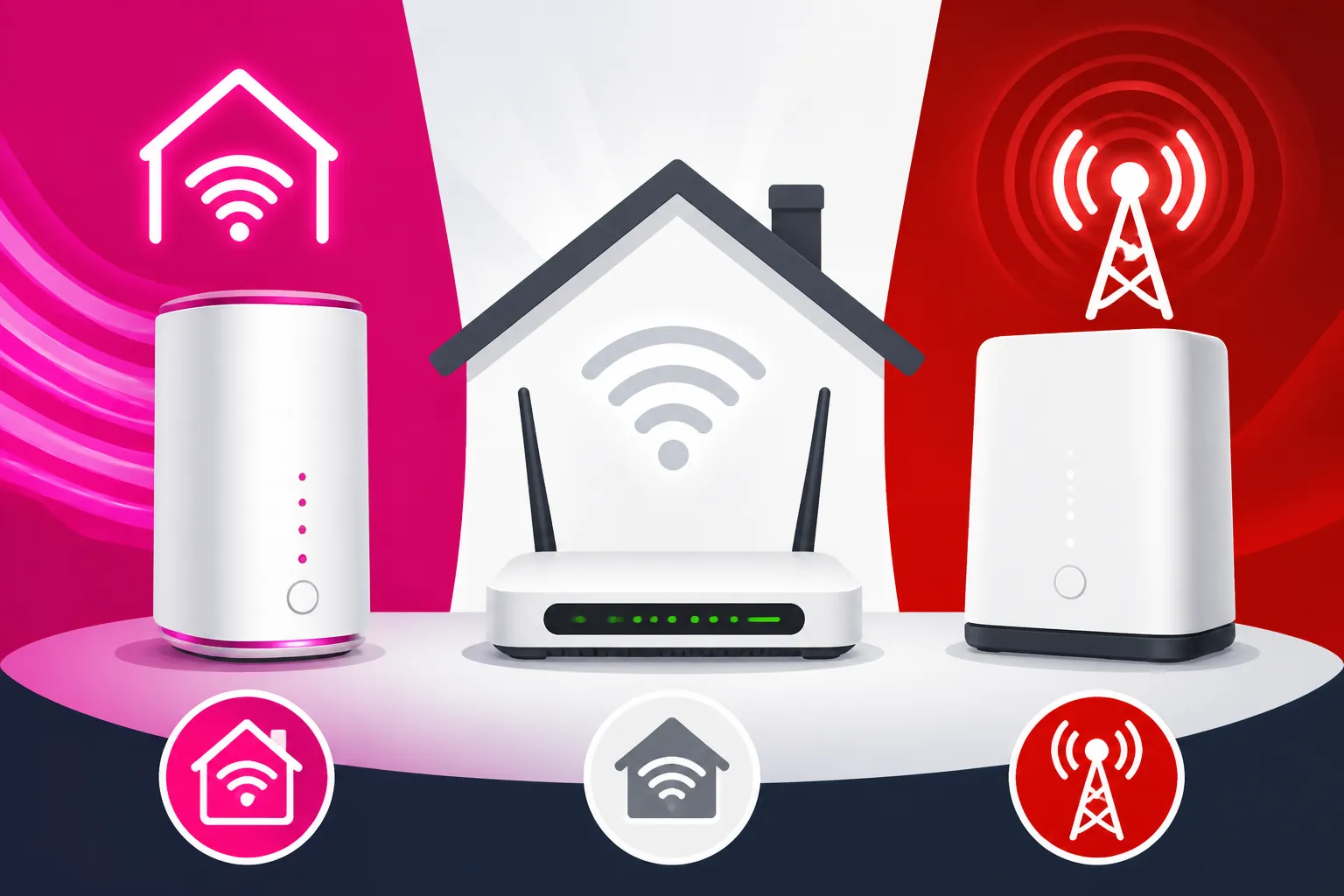
Home Internet Options: Magenta, A1, and 5G Routers
Getting your home internet sorted in Austria can feel like deciphering an ancient code while sitting in a dark room with no signal. I spent my first two weeks in Vienna tethered to a flakey cafe Wi-Fi just to send emails, simply because I didn't understand the contract nuances. This guide provides the clarity you need to navigate Magenta, A1, and the world of 5G routers.
The Landscape of Connectivity in Austria
The Austrian internet market is a mix of cutting-edge fiber optics and legacy copper wires that have been around since the days of the monarchy. Depending on whether you are moving into a sleek new development in Seestadt or a high-ceilinged apartment in the 2nd district, your options will vary wildly. Understanding the infrastructure is the first step in Utilities Setup: Electricity, Gas, Water, and Internet because, unlike electricity, internet performance is highly localized.
Fixed-Line vs Wireless Solutions
In Austria, you generally choose between a fixed-line connection (DSL, Cable, or Fiber) and a mobile-based solution (LTE or 5G "Cubes"). Fixed-line connections are the gold standard for stability. If you are a remote worker or a heavy gamer, you want a physical cable coming out of your wall. However, these often come with a "Mindestvertragsdauer" or a minimum contract period of 24 months, which can be a massive commitment if you are only here for a short-term project.
Mobile internet, often delivered via a 5G router or "Internet Cube," is incredibly popular because of its "Plug and Play" nature. You buy the box, stick a SIM card in, and you are online. The downside? Your speed depends on how many of your neighbors are also watching Netflix at 8:00 PM. 5G speeds can drop from 300 Mbps to 10 Mbps the moment the sun goes down and everyone in the building logs on.
Regional Infrastructure Realities
Where you live dictates your provider. In major cities like Vienna, Graz, or Linz, you are spoiled for choice. You will likely have access to Magenta’s high-speed cable network or A1’s expanding fiber grid. However, if you are looking for a quieter life in the mountains of Tyrol or the rolling hills of Styria, you might be restricted to A1’s copper DSL lines, which can be painfully slow.
Before you sign anything, always perform a "Verfügbarkeitscheck" (availability check) on the provider’s website. You just enter your address and zip code, and it tells you exactly what speed is possible at your specific door number. This is crucial because a building across the street might have Gigabit fiber while your Altbau vs Neubau: Differences in Rent, Charm, and Heating choice might be stuck with a 20 Mbps connection.
Fixed-Line Heavyweights: A1 vs Magenta
When you start looking at logos in the windows of shops on Mariahilfer Straße, two names will dominate your vision: A1 and Magenta. These are the "Big Two" of the Austrian telecommunications world. They own the majority of the physical infrastructure, meaning that even if you go with a smaller provider, they are often just renting space on A1 or Magenta lines.
A1 Telekom: The Traditional Powerhouse
A1 is the former state-owned monopoly. They have the most extensive network in the country, reaching almost every corner of the Alps. Their primary offering for home internet is a mix of DSL and "Glass Fiber" (Glasfaser). A1 is often perceived as the premium choice, with customer service that is generally reliable, though they are notoriously bureaucratic.
One thing to watch out for with A1 is their "Hybrid" internet. If your physical phone line is slow, they give you a router that uses both the DSL line and the 4G/5G mobile network simultaneously. It sounds great on paper, but in my experience, the handoff between the two can cause lag during video calls. If you value absolute consistency, try to ensure you are getting a pure fiber or high-speed DSL connection without the hybrid "crutch."
Magenta Telekom: Speed and Stability
Magenta, formerly known as UPC, is the king of cable internet in Austria’s urban centers. They use COAX cables (the same stuff used for TV) to deliver very high speeds, often up to 1 Gbps. For most expats living in cities, Magenta is the default choice because their base speeds are typically higher than A1’s base DSL speeds for a similar price.
The installation process for Magenta can be a bit of a hurdle. If your apartment hasn't had a Magenta connection before, a technician needs to come out and install a specific multimedia socket. You should check the Typical Wait Times for Magenta Internet Installation before moving in, as it can take anywhere from three days to two weeks depending on the season. I remember waiting ten days in an empty apartment just for a guy to come and screw a plate into the wall—it’s a test of patience every expat goes through.
Choosing Between DSL and Cable
The choice between DSL (A1) and Cable (Magenta) often comes down to what is already wired into your flat. Cable usually offers higher download speeds, but DSL can sometimes offer more symmetrical upload speeds, which is important if you are uploading massive files to a cloud server for work.
Another factor is the equipment. Magenta usually provides their "Fiber Box," which is a decent all-in-one router, whereas A1 provides the "WLAN Box." If you are a tech enthusiast, you might find both of these lacking in advanced features. Fortunately, Austrian law allows "Routerfreiheit," meaning you can technically use your own Fritz!Box or ASUS router, though getting the login credentials from the provider can sometimes be a headache.
The 5G Revolution: Is a Router Cube Right for You?
If the idea of waiting for a technician makes you break out in a cold sweat, or if you don't have a permanent The Meldezettel Process: Registering Your Address Legally yet, a 5G router might be your best friend. These devices, colloquially called "Cubes" because of their shape, have transformed how foreigners get online in Austria.
Understanding the Internet Cube Phenomenon
The concept is simple: you buy a router that contains a SIM card. You plug it into a standard power outlet, and it creates a Wi-Fi network using the mobile towers outside. No cables, no technicians, no holes in the wall. This is a dream for people living in short-term rentals or students who move frequently.
Providers like Drei, Magenta, and A1 all offer these cubes. You can even find "Value" versions from supermarkets like Hofer. If you need something immediately, you can look into Setting up HoT (Hofer Telekom) Mobile Service Quickly to get a data SIM that you can put into any unlocked LTE/5G router. I've used this as a "bridge" solution while waiting for my main fiber installation, and it works surprisingly well for basic browsing.
Network Congestion and the Bandwidth Riddle
The biggest trap with 5G cubes is the "usage class" system. Mobile networks in Austria are prioritized. Mobile phones usually have the highest priority, while home internet cubes have the lowest. This means that during peak hours—typically between 7:00 PM and 10:00 PM—the network will prioritize people using their phones over your home router.
I’ve had friends who signed up for a "250 Mbps" 5G plan, only to find that they couldn't even stream a YouTube video on a Friday night because the local cell tower was overloaded. Before committing to a long-term 5G contract, I highly recommend getting a prepaid SIM card from the same provider and testing the speeds in your apartment at different times of the day using your phone.
Best 5G Providers for Flexible Living
Drei (Three) is often considered the leader in the "Cube" market. They were the first to really push this technology and often have the most competitive pricing. Magenta’s 5G offers are also strong, especially if you already have a mobile phone contract with them, as they offer "Magenta 1" discounts that can shave 10-15 Euros off your monthly bill.
If you are just arriving and need something for the first 30 days, consider Best Prepaid eSIM Options for First-Time Austria Arrivals as a way to stay connected while you shop around for a permanent home solution. This avoids the 24-month contract trap while you are still figuring out which district of Vienna you actually want to live in.
| Provider | Connection Type | Typical Speed Range | Contract Length | Best For |
|---|---|---|---|---|
| A1 Telekom | DSL / Fiber / 5G | 20 Mbps – 1 Gbps | 24 Months | Reliability & Coverage |
| Magenta | Cable / Fiber / 5G | 50 Mbps – 1 Gbps | 24 Months | High-speed Urban Living |
| Drei | 5G / Fiber | 30 Mbps – 500 Mbps | 24 Months | Competitive 5G Pricing |
| HoT (Hofer) | 5G (MVNO) | Up to 100 Mbps | No Contract | Budget & Flexibility |
| Spusu | 5G (MVNO) | Up to 100 Mbps | No Contract | Customer Service & No Ties |
Alternative Providers and Budget Hacks
While A1 and Magenta are the giants, there are several "alternative" providers that use the same networks but offer much better terms for the budget-conscious expat. These are especially useful if you are trying to keep your Cost of Living in Vienna: Singles vs Families manageable.
Drei (Hutchison Drei Austria)
Drei is the third-largest infrastructure owner in Austria. They are a great middle-ground provider. They offer physical fiber connections in some areas but are mostly known for their "Fix" tariffs, which are 5G-based home internet plans with a "bandwidth guarantee." Unlike standard cubes, the "Fix" plans include a small outdoor antenna that a technician installs on your window or balcony, which greatly improves stability.
Discount MVNOs: Spusu and HoT
MVNO stands for Mobile Virtual Network Operator. These companies don't own the towers; they rent them. The two most famous in Austria are Spusu (using the Drei network) and HoT (using the Magenta network).
Spusu is beloved by the expat community because their customer service is incredibly human—you can literally text them on WhatsApp and get a reply from a real person in minutes. They offer "data-only" plans that are perfect for routers. HoT, which you can buy at any Hofer supermarket, is the king of "no-frills" internet. There is no activation fee, no yearly "service fee" (which the big guys often sneak in), and you can cancel anytime. If you are wary of Austrian contracts, start with HoT.
Understanding Contracts and Installation Logistics
The administrative side of getting internet in Austria is where most people get tripped up. The "Kleingedrucktes" (fine print) can contain some unpleasant surprises if you aren't careful.
Contracts, Minimum Durations, and Fine Print
Most standard contracts from A1, Magenta, and Drei come with a 24-month "Mindestvertragsdauer." If you try to leave before that, you will have to pay out the remaining months. This is a massive pain if you suddenly have to relocate for work.
Always look for the "Servicepauschale." This is a yearly fee (usually around 30-35 Euros) that providers charge just for the "privilege" of being their customer. Many discount providers like Spusu or HoT do not charge this. Also, watch out for "Aktivierungsentgelt" (activation fees), which can be as high as 70 Euros. Often, if you sign up online or during a promotion (like Black Friday or "Ostermarkt"), these fees are waived.
The Installation Process and Wait Times
If you go for a fixed-line connection, you will need a "Termin" (appointment) with a technician. In Austria, these appointments are usually given in wide windows, like "between 8:00 AM and 12:00 PM." You must be home, or the technician will leave a note and charge you for a missed visit.
If your apartment is a new build, the wiring is usually ready to go. In older buildings, the technician might need access to the "Keller" (basement) to connect your line to the main building hub. Make sure you have the key to the basement or that the "Hausmeister" (building manager) is available on that day. Failing to have basement access is the number one reason for failed installations.
Using ID Austria for Digital Signatures
Everything is becoming digital in Austria. When you sign up for an internet contract online, you will often be asked to verify your identity. While you can do this by uploading a scan of your passport, using ID Austria and E-Government Tools for Foreign Residents is much faster. It allows you to sign contracts digitally with legal validity. This is also incredibly helpful for Using ID Austria for E-Banking and FinanzOnline Access later on, so I highly recommend setting it up as soon as you have your residence permit.
Maximizing Your Home Network Performance
Once the cable is in and the router is blinking green, your struggle might not be over. Austrian architecture, especially in the historic districts, is not Wi-Fi friendly.
Dealing with Thick Walls and Altbau Interference
If you live in a classic Altbau, your walls are likely made of thick brick and mortar, sometimes nearly a meter thick. These walls act like a shield against Wi-Fi signals. You might have 500 Mbps in the living room where the router is, but 0 Mbps in the bedroom just ten meters away.
The solution here is rarely a "repeater," which often just amplifies a weak signal. Instead, look into "Powerline" adapters (which send the internet signal through your electrical wiring) or a "Mesh" system. A Mesh system, like Eero or Google Nest, uses multiple nodes to "blanket" your home in Wi-Fi. This is almost a necessity for any apartment larger than 70 square meters in an old Austrian building.
Hardware Upgrades and Mesh Systems
Don't be afraid to put the provider's router into "Bridge Mode" and use your own hardware. The routers provided for free by A1 or Magenta are "fine," but they aren't powerful. If you are living in a larger space or a multi-story house in the suburbs of Graz or Linz, investing 150 Euros in a high-quality Wi-Fi 6 Mesh system will save you hours of frustration.
Also, remember the "Lüften" rule. While Lüften: The Austrian Art of Ventilating Rooms in Winter is mostly about preventing mold, it’s also a good time to check your router placement. Don't hide your router in a cupboard or behind a thick piece of oak furniture. It needs "breathing room" to broadcast the signal effectively through the dense Austrian air.
Important Disclaimer
The information provided in this guide is for general informational purposes only and reflects the market conditions and regulations in Austria as of early 2026. Internet service providers frequently update their pricing, contract terms, and infrastructure availability. We strongly recommend verifying all details directly with the provider and performing an address-specific availability check before signing any binding agreements. We are not responsible for any contractual disputes or technical issues that may arise from using these services.