Using ID Austria to Change Your Address Without a City Hall Visit
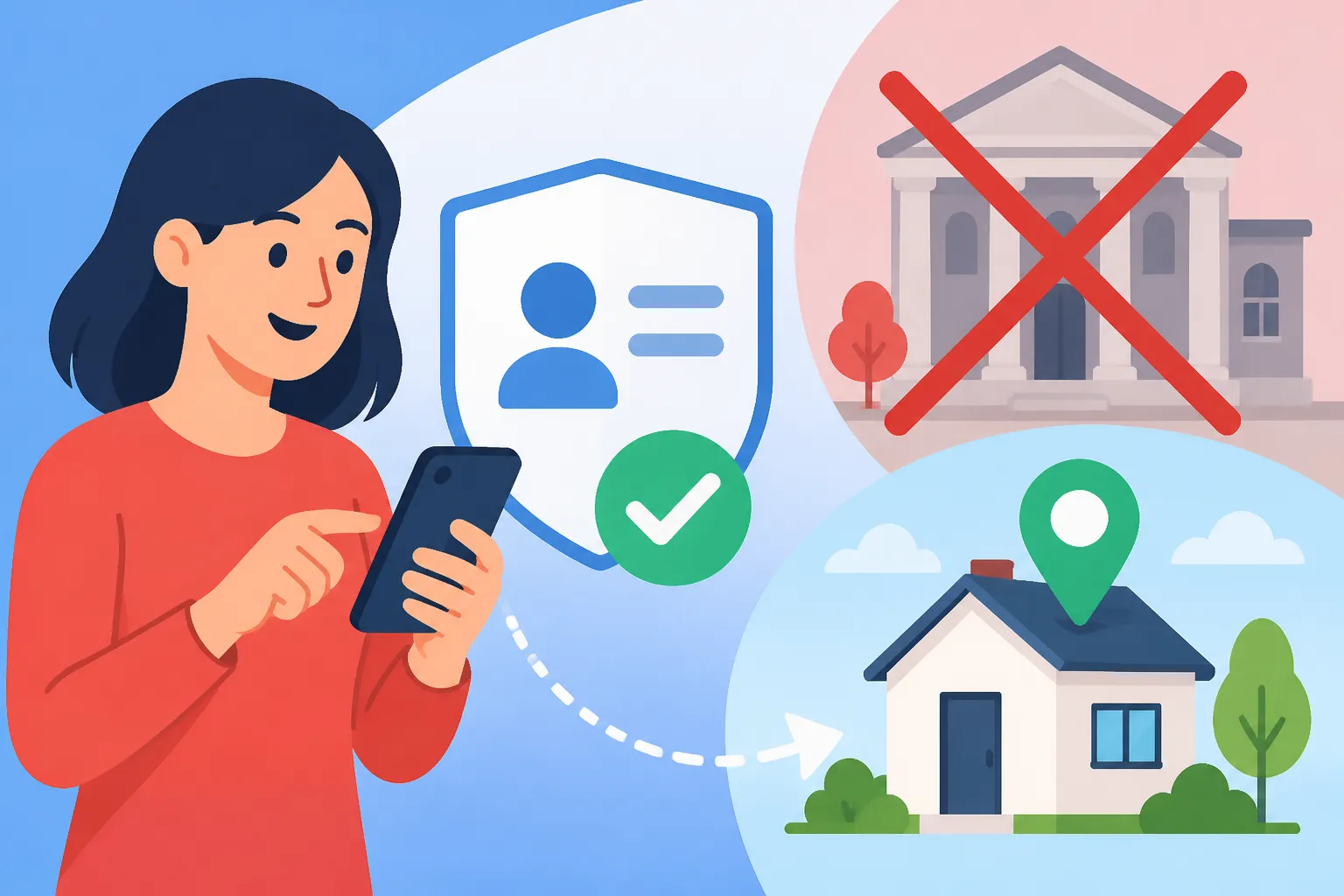
One of the most stressful parts of moving within Austria is the strict legal requirement to register your new address within just three working days. I remember my first move in Vienna, frantically trying to find a "Meldeamt" appointment while juggling boxes and a full-time job, only to find the next available slot was weeks away. This guide solves that administrative nightmare by walking you through the digital shortcut.
Understanding the ID Austria Ecosystem and Its Necessity
If you are planning on staying in the country for any significant amount of time, getting your digital identity sorted is not just a convenience—it is a survival skill. The ID Austria system is the successor to the old "Handy-Signatur," and it serves as your official electronic signature and digital ID. It allows you to sign documents that are legally binding, just as if you had put pen to paper in front of a government official. For many of us who moved here years ago, the transition from the old signature to the new ID Austria was a bit of a headache, but the payoff is that we rarely have to see the inside of a government building anymore.
To change your address online, you specifically need the "Full" version of ID Austria. This is a point that trips up many newcomers. There is a "Basic" version that you can often set up relatively easily, but it does not carry the "Official Identity" (Behörden-Identität) required for address changes. To get the Full version, you typically need to have your identity verified in person once at a registration office—usually a police station or a tax office—unless you are an Austrian citizen with a valid passport. Once that hurdle is cleared, the portal to skipping the bureaucracy opens up entirely. This is a central pillar of Living in Austria 2027: The Expat Starter Guide because it underpins almost every other digital interaction you will have with the state.
Beyond just address changes, having this system active is how you will manage your health records and social security. For example, if you need to check your insurance status or view your prescriptions, you will find that Austria Healthcare System 2027: Complete Guide for Foreign Residents heavily utilizes the same login infrastructure. It is the key to the "Digitales Amt" app, which should be the very first thing you download after your move is confirmed. Without it, you are stuck in the world of paper forms and "Amtstage" (official days with limited hours).
The Evolution from Handy-Signatur to ID Austria
For those who have been here a while, you might remember the "Handy-Signatur" as that slightly clunky SMS-based system. ID Austria has modernized this by integrating biometrics. Instead of waiting for a code that sometimes never arrived, you now use your fingerprint or face ID on your smartphone to authorize requests. This transition was mandatory for everyone by early 2024, so if you are just arriving now, you are stepping into a much more streamlined environment. The system is designed to be highly secure, which is why the "Full" version requires such a rigorous initial setup.
Full vs. Basic Version: A Crucial Distinction
The Basic version of ID Austria allows for simple electronic signatures on private contracts, but the Austrian government treats a "Wohnsitzänderung" (change of residence) as a high-security event. To move your "Hauptwohnsitz" (main residence) digitally, the system needs to be 100% certain that the person clicking the button is the person on the passport. This is why the ID Austria and E-Government Tools for Foreign Residents guide emphasizes the need for that one-time physical verification visit. If you haven't done this yet, you will likely see an error message when you try to use the address change service.
Why Non-EU Citizens Face Extra Steps
If you are here on a Red-White-Red card or another third-country visa, your ID Austria setup might require an extra layer of verification at the immigration office (MA 35 in Vienna or the Bezirkshauptmannschaft in other regions). This is because the digital identity must be linked to your specific residence title. It might feel like a double-standard, but it ensures that your Using ID Austria for Residence Permit Renewal Tracking stays accurate. Once linked, the system becomes an advocate for you, ensuring that your address is updated across all federal databases simultaneously.
Prerequisites for Changing Your Address Online
Before you even log into the portal, you must understand the legal weight of the "Meldezettel." In Austria, your registration isn't just a formality; it determines which district taxes you, where you vote, and which schools your children can attend. The "3-day rule" is a source of high anxiety for many expats. Legally, you must register within three working days of moving into your new home. In the old days, if you moved on a Friday evening, you were technically in violation by Wednesday morning. By using the online system, you can register at 11:00 PM on a Sunday from your sofa, effectively neutralizing the deadline stress.
The most important physical document you need is the "Meldezettel" form itself—but wait, if you are doing this online, you don't actually need a physical paper with a wet signature from your landlord in the same way you would at the office. However, you must have the legal right to live at the address, usually proven by a valid lease agreement. The system cross-references the "Gebäude- und Wohnungsregister" (Building and Apartment Register) to ensure the address you are entering actually exists and is eligible for residential registration. This is a critical component of The Meldezettel Process: Registering Your Address Legally, as the digital path still follows the same legal logic as the paper path.
Technically, you will need a smartphone with the "Digital Office" (Digitales Amt) app installed and your ID Austria activated. Ensure your phone’s software is up to date, as the app’s security protocols are quite strict and may not run on older operating systems. You should also ensure you have a stable internet connection; applications can fail mid-process because of a spotty Wi-Fi signal, leaving applicants in a state of "digital limbo" where they aren't sure if they are registered at the old address or the new one.
Technical Requirements: Smartphones and the Digital Office App
The "Digital Office" app is the interface for your ID Austria. It acts as the "key" to the oesterreich.gv.at portal. When you initiate an address change on your computer, a "push notification" will appear on your phone. You then use your biometrics to sign the request. This two-factor authentication is what makes the process legally equivalent to a physical signature. If you are also managing your family's health, this same app will eventually link to The Austrian e-card: Registration, Photo Rules, and Usage Guide, making it a central hub for your life in Austria.
Dealing with the 3-Day Registration Deadline
The clock starts ticking the moment you "move in." Now, what "moving in" means can be slightly subjective, but generally, it is the date listed on your lease or the day you physically take possession of the keys. If you miss this window, you could technically be fined, though most clerks are lenient if you are only a few days late. However, the online system doesn't "judge"—it simply logs the date you submit. This is a massive relief for those of us who have struggled with Registering as an EU Citizen (Anmeldebescheinigung) in Austria, where the timelines for different documents can become incredibly confusing.
Proof of Accommodation and Rental Agreements
Even though you are doing this digitally, you are still asserting that you have the landlord's permission to live there. If you are a sub-tenant, the process is slightly more complex because the system may need to verify the primary tenant's right to sub-let. In most standard rental situations, the system simply verifies that the apartment is vacant or that the previous tenants have moved out. If you are moving into a house you bought, the system will check the land registry to confirm you are the owner.
| Feature | Physical Visit (Meldeamt) | Online (ID Austria) |
|---|---|---|
| Time Required | 1-2 hours (plus travel) | 5-10 minutes |
| Flexibility | Rigid office hours | 24/7 availability |
| Appointment Need | Usually required weeks in advance | None |
| Physical Signature | Required on paper form | Digital biometric signature |
| Confirmation | Instant paper printout | Instant PDF download |
| Cost | Free | Free |
Step-by-Step Guide to the Online Residence Registration
Once you are ready, navigate to the official portal at oesterreich.gv.at. It is advisable to do this on a laptop while having your phone nearby for the ID Austria authentication. It just makes typing in long Austrian addresses and "Stiege" (staircase) numbers much easier. Look for the "Wohnsitzänderung" (change of residence) section. The system will first ask you to log in using your ID Austria. Once you approve the login on your phone, you will be greeted with your current registration data.
The system is surprisingly intuitive. You will see your current "Hauptwohnsitz" and any "Nebenwohnsitz" (secondary residence) you might have. To move, you choose the option to "Anmelden" (register) a new address. The system will then ask if this is your new main residence. If you are moving house entirely, you will select that this new address replaces your old one. One of the best features of the digital system is that it handles the "Abmeldung" (deregistration) of your old address automatically. You don't have to tell the old district office that you are leaving; the system does it for you the moment the new registration is successful.
After entering the new address details—be very careful with the door number and the "Tür" (apartment) number—you will proceed to the "Sign" step. This triggers a final push notification to your "Digital Office" app. You review the summary, click sign, and scan your face or fingerprint. Within seconds, a PDF titled "Bestätigung der Meldung" will be generated. Download this immediately and save it in multiple places. This PDF is your new legal "Meldezettel." You will need it for everything from opening a bank account to Registering for the OBS Household Broadcasting Levy.
Navigating the Wohnsitzänderung Menu
The menu structure on the government portal can be a bit dense if your German isn't perfect, but look for the icon that looks like a small house. The term "Wohnsitz ändern" is what you are looking for. The portal is available in English for many sections, but the actual registration forms often revert to German to ensure legal precision. Don't be intimidated; the fields are standard: PLZ (Postcode), Ort (City), Straße (Street), Hausnummer (House Number), and Stiege/Tür (Staircase/Door).
Signing the Digital Document and Receiving Confirmation
When the "Digital Office" app asks you to sign, it will show you a hash-code. Ensure this code matches the one displayed on your computer screen. This is a security measure to prevent "man-in-the-middle" attacks. Once signed, the confirmation is legally valid. I've used this digital PDF at the bank, at the library, and even at the Electricity Providers in Austria (Wien Energie, Verbund) office, and it has never been questioned. The era of needing a stamped piece of paper with a blue-ink signature is slowly fading in Austria.
Informing Other Authorities After Your Move
While the "Meldeamt" now knows where you live, other government branches might not. For example, if you have a car, you still need to update your vehicle registration, which usually requires a trip to an insurance office to get a new "Zulassungsschein." However, the Setting Up Mail Forwarding (Nachsendeauftrag) with Post.at service is a great next step to ensure you don't miss any lingering paper mail. Additionally, you should update your address for Mobile Phone Plans: Prepaid, Contracts, and Discount Carriers and Household Insurance (Haushaltsversicherung) Explained to ensure your coverage remains valid in your new district.
Troubleshooting and Common Pitfalls
Even the best systems have hiccups. The most common issue expats face is the "Address Not Found" error. This usually happens in brand-new "Neubau" buildings where the developer hasn't yet registered the specific apartment numbers in the federal database. If this happens, you unfortunately cannot use the online system and must make a physical appointment at the Meldeamt. This happens to newcomers moving into the Seestadt area in Vienna; it’s frustrating, but the digital system can only work with the data it has.
Another pitfall is the "Full ID Austria" requirement mentioned earlier. If you try to change your address and the system tells you that you "lack the necessary permissions," it almost always means your ID Austria is still at the "Basic" level. You can check your status within the Digital Office app. If it says "Basis," you will need to book a quick appointment at a "Registrierungsstelle" to upgrade. It’s a 10-minute fix that will save you hours of future paperwork.
Finally, remember that the online system is only for "natural persons." If you are trying to register a business address or something related to a legal entity, the process is entirely different. For personal residence, however, this is the gold standard. If you run into issues with the system not recognizing your family members, remember that each adult must usually perform their own change of residence using their own ID Austria. You can often "co-register" children, but your spouse will need their own login to move their official records.
When the System Says No: Rental Agreements and Verification
If the system blocks your registration, it might be because there is a "block" on the address. Sometimes, if a landlord has had issues with "phantom registrations" (people registering at an address they don't live at), they can request the magistrate to flag the address. In these cases, a human clerk needs to verify your lease manually. If this happens, don't panic; it just means you have to go the traditional route.
Ensuring Your E-Card and Insurance Stay Current
Once your address is updated, the social insurance providers (like ÖGK or SVS) are usually notified within a few days via the central register. However, it never hurts to log into the "MeineSV" portal using your ID Austria to double-check. This ensures that any medical correspondence or a replacement card—if you ever need one—goes to the right mailbox. This is a small but vital step in maintaining your peace of mind while navigating the Austrian administrative landscape.
Disclaimer
The information provided in this guide is for general informational purposes only and does not constitute legal or administrative advice. While every effort has been made to ensure the accuracy of the details regarding ID Austria and residence registration as of 2026, government regulations and digital portal interfaces are subject to change. Always consult official sources such as oesterreich.gv.at or your local Magistrat for the most current requirements and legal obligations. Errors in registration can lead to fines or residency issues; if in doubt, seek professional legal counsel.