How to Find the Nearest Sunday Pharmacy (Nachtapotheke)
It is 9:00 PM on a rainy Sunday evening, your child has a sudden spiking fever, and you realize your medicine cabinet is completely empty. I vividly remember my first winter in Salzburg, frantically wandering the dark streets because I didn't realize that nearly every business, including pharmacies, shuts down entirely on Sundays. This guide explains how to navigate the Austrian emergency pharmacy system so you are never left without essential medication.
The Cultural Reality of Sundays and After-Hours in Austria
In many countries, you can simply drive to a 24-hour supermarket or a big-box pharmacy chain to grab some cough syrup or painkillers at any hour of the day. Austria is different. The country adheres strictly to the "Opening Hours Act," which ensures that Sundays and public holidays remain days of rest. While this is great for work-life balance, it can be a shock for new arrivals who aren't used to the total "shut down" of the retail landscape.
However, the medical system is designed with a safety net called the "Bereitschaftsdienst" or "Turnusdienst." This is a rotational on-call service that ensures at least one pharmacy in a specific geographical area remains open 24/7. These are known as a "Nachtapotheke" (Night Pharmacy) or "Sonntagsapotheke" (Sunday Pharmacy). It is important to understand that these pharmacies are not "open" in the traditional sense; they are providing an emergency service. In more rural areas, the pharmacist might actually be sleeping in the back of the building and will come to the window only when you ring the bell. This is part of the broader landscape of Pharmacies (Apotheken) and Medication Rules in Austria that every resident needs to master.
I’ve stood in the cold more than once, clutching a prescription, feeling guilty for waking up a pharmacist at 3:00 AM. But that is exactly what the system is there for. You are not "bothering" them; you are utilizing a highly regulated public health service.
Three Reliable Ways to Find an Open Pharmacy
When the shops are dark and you need help immediately, you have three primary ways to find the nearest open location. Do not rely on Google Maps alone, as it often fails to account for the specific "on-call" rotation schedules of individual Austrian pharmacies.
1. The 1450 Health Line
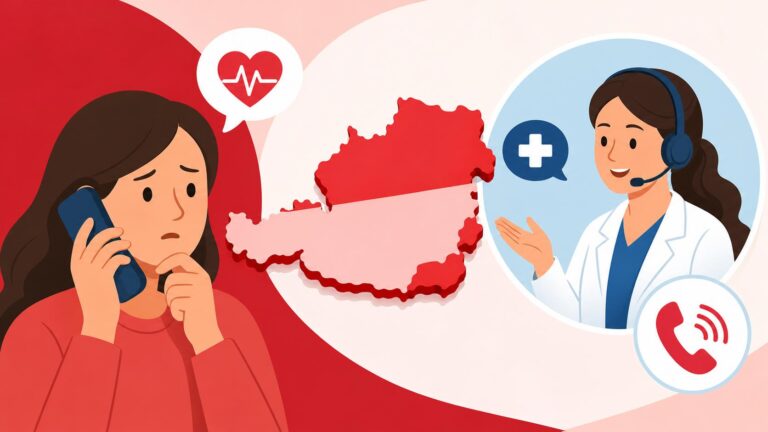
If you are unsure whether you need a pharmacy or an actual doctor, your first point of contact should be the national health advisory number. You can dial 1450 from any phone in Austria without a prefix. The operators can tell you exactly which pharmacy in your district is currently on duty. This is especially helpful if you are also feeling unwell and need advice on whether your symptoms warrant a trip to the hospital. For more on this service, see our guide on Calling 1450: Austria's 24/7 Telephone Health Advice Line.
2. The Official "Apotheken-Suche" Website and Apps
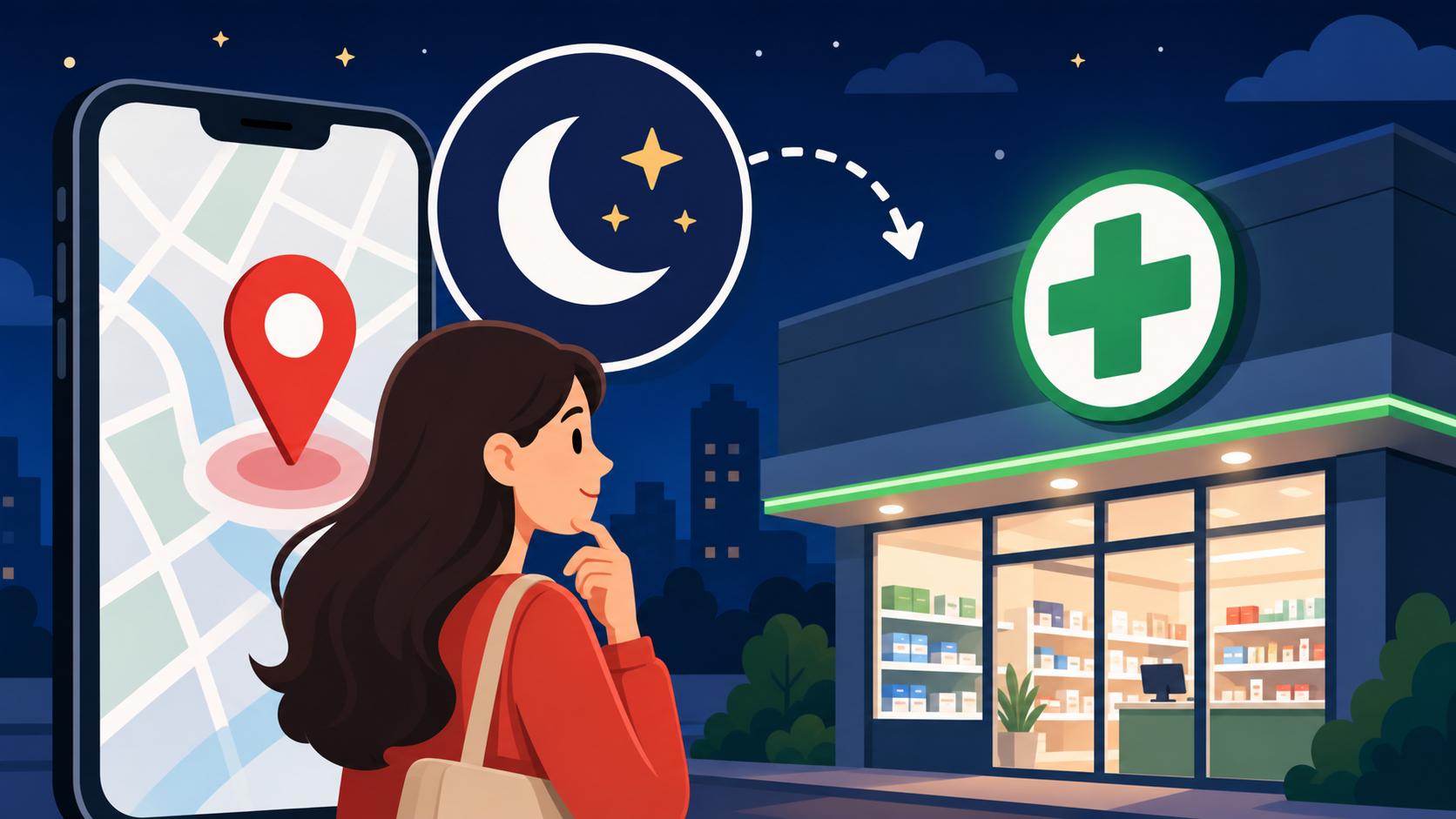
The Austrian Chamber of Pharmacists (Apothekerkammer) maintains a real-time database. You can visit their website and use the "Apotheken-Suche" function. You simply enter your postal code or city, and the system will highlight the pharmacies currently providing "Bereitschaftsdienst" with a red or flashing icon. There are also several mobile apps, such as "Apotheken-Ruf 1455," which use your GPS location to point you to the nearest open door.
3. The Physical Notice at the Pharmacy Door
This is the most "old school" but reliable method. Every single pharmacy in Austria is legally required to post a visible notice in their window or on their front door when they are closed. This notice will list the names and addresses of the nearest pharmacies that are currently on night or Sunday duty. If you walk to your local neighborhood pharmacy and find it closed, look for the sign; it will often include a small map or clear directions to the on-call location.
Understanding the Nachtdienstgebühr Service Fees
Using an emergency pharmacy in Austria is not free of surcharges. When you visit a pharmacy outside of normal business hours, you will be charged a "Nachtdienstgebühr" or "Bereitschaftsdienstgebühr." This fee compensates the pharmacist for the on-call hours and the extra staffing required to keep the service running.
The fees are standardized across the country but vary depending on when you visit. It is a good idea to keep some cash or a debit card handy, as these fees apply even if you are just picking up a single pack of lozenges. For a deeper dive into these costs, check out our article on Understanding the Apotheke Night Service Fee (Nachtdienstgebühr).
| Time Period | Estimated Fee Amount (approx.) | Notes |
|---|---|---|
| Mon-Fri (8:00 PM – 8:00 AM) | €3.80 | Standard night fee |
| Saturday (8:00 PM – Sunday 8:00 AM) | €3.80 | Weekend night fee |
| Sundays and Public Holidays | €1.30 to €3.80 | Varies by daytime vs. nighttime |
| Normal Hours (Mon-Sat) | €0.00 | No surcharge applies |
There is one important exception: if you have a prescription from a doctor that is marked "urgent" (often indicated by the doctor writing "noctu" or checking a specific emergency box), the night fee may be waived or covered by your social insurance. However, for Over-the-counter (OTC) Medicines: What You Can Buy Legally, you will always have to pay the fee yourself.
What to Expect When You Arrive at a Nachtapotheke
The experience of visiting a pharmacy at night is quite different from a daytime shopping trip. You will usually find the main doors locked. Look for a small "Nachtglocke" (night bell) near the entrance.
When you ring the bell, be patient. It might take a minute or two for the pharmacist to respond, especially in smaller towns. In most cases, they will not let you inside the store. Instead, they will speak to you through a small intercom and then serve you through a tiny security window or "Durchreiche." You will hand over your prescription or tell them what you need, and they will bring the medicine to the window.
Payment is also handled through this window. Most modern pharmacies accept "Bankomat" (debit cards), but in very rural areas, having cash is a safer bet. If you are picking up a prescription, make sure you have your e-card ready. If you are new to the country and don't have your card yet, read our The Austrian e-card: Registration, Photo Rules, and Usage Guide to ensure you're prepared for the next time.
Navigating Language Barriers and Prescriptions
If your German is still a work in progress, a late-night pharmacy visit can feel stressful. However, most pharmacists in major cities like Vienna, Graz, or Innsbruck speak excellent English. If you are in a more remote area, it helps to have the name of the active ingredient or the specific ailment written down.
Remember that Austrian laws regarding what requires a prescription are very strict. You cannot simply "convince" a night pharmacist to give you antibiotics or high-strength painkillers without a valid slip from a doctor. This is a common point of frustration for expats. If your situation is so dire that you need a prescription-only medication but don't have a prescription, the pharmacist will likely direct you to the nearest hospital emergency room. You can learn more about why these rules exist in our post on Why You Cannot Buy Antibiotics Without a Prescription.
When asking for basic medicine, be specific about the symptoms. Instead of asking for a brand name from your home country, ask for the generic name. For example, if you need a common painkiller, refer to our guide on Paracetamol vs Ibuprofen: What to Ask For at the Apotheke to ensure you get exactly what you need.
When the Pharmacy Isn't Enough: Emergencies
If the pharmacy is closed and the situation is escalating—perhaps someone is having trouble breathing or has sustained a serious injury—do not spend time looking for a Nachtapotheke. The pharmacy is for medication; the hospital is for medical crises.
In Austria, the emergency infrastructure is world-class. If you are in a life-threatening situation, you should immediately call 144 for an ambulance. If the situation is urgent but not life-threatening, you can drive to the "Notaufnahme" (Emergency Room) of the local public hospital. We have a detailed breakdown of these steps in our guide to Emergency Services in Austria: 144, Hospitals, and Crisis Steps.
It is also worth noting that if you have a specific type of emergency, like a severe toothache on a Sunday, a pharmacy can only provide temporary pain relief. You will likely need to find a specialized clinic. Check out our resources on Finding an Emergency Dentist on a Weekend in Vienna if you find yourself in that painful predicament.
Planning Ahead for the Next Sunday
The best way to handle a Sunday pharmacy run is to avoid the need for one altogether. As part of your Living in Austria 2027: The Expat Starter Guide, it is advisable to build a "Home First Aid Kit" (Hausapotheke).
Ensure you always have a fresh supply of:
- Standard painkillers (Paracetamol/Ibuprofen)
- Antiseptic spray and bandages
- A digital thermometer
- Electrolyte powder (for stomach flu)
- Cough suppressant and throat lozenges
Keep an eye on the expiration dates of your prescriptions. If you know you are running low on a maintenance medication, don't wait until Friday afternoon to call your doctor. Keep in mind How Long is a Medical Prescription Valid in Austria—usually, a standard prescription is valid for one month, but for certain medications, it might be even shorter.
Practical Checklist for Finding a Sunday Pharmacy
To make your life easier when you are stressed and tired, keep this checklist in mind:
- Check 1450 first: Use your phone to get the exact location of the nearest on-call pharmacy.
- Grab your e-card: You will need this for any prescription or to help the pharmacist look up your digital "e-Rezept."
- Take payment: Remember the night fee (around €3.80).
- Look for the "Nachtglocke": Don't try to pull the doors open; find the bell and wait.
- Check the window notice: If your phone dies, any local pharmacy door will lead you to the right place.
The Austrian system is reliable and efficient, but it requires you to play by its rules. Once you understand the "Turnus" rotation and the night bell etiquette, you'll feel much more confident navigating the quiet Austrian Sundays.
Disclaimer
The information provided in this article is for informational purposes only and does not constitute medical or legal advice. While we strive to keep the details regarding fees and laws up to date for 2026, regulations in Austria can change. Always consult with a qualified medical professional or pharmacist in the event of a health emergency. If you are experiencing a life-threatening emergency, please dial 144 immediately.