Building a Standard First Aid Kit for an Austrian Home
Finding yourself in the middle of a minor kitchen accident in a creaky Viennese Altbau, only to realize your medicine cabinet is completely empty, is a stressful rite of passage no one wants. I remember my first month in Graz, frantically searching for a simple antiseptic while bleeding from a paper cut, only to realize I didn't even know the German word for a basic bandage. This guide solves that confusion by detailing exactly what belongs in your Austrian "Hausapotheke" and where to source it legally and affordably.
The Cultural Importance of the Austrian Hausapotheke
In Austria, the concept of the "Hausapotheke" or home pharmacy is deeply ingrained in the local lifestyle. Unlike some countries where you might rely on a corner convenience store for medical supplies, Austria has a very structured system regarding where and how you can purchase health-related items. Most people here take pride in having a meticulously organized kit, often stored in a dedicated small white cabinet with a green cross on the door, tucked away in the bathroom or hallway.
When you first arrive, completing your Healthcare Checklist for Your First 30 Days in Austria should involve more than just registering for social insurance. It requires understanding that Austrian households are expected to be somewhat self-sufficient for minor ailments. This is partly because the Pharmacies (Apotheken) and Medication Rules in Austria are quite strict; you won't find Ibuprofen or high-strength cough syrup on the shelves of a regular supermarket like Spar or Billa. You must go to an Apotheke, and if it’s after hours, you’ll be dealing with the "Nachtdienst" or night shift, which involves a small surcharge.
Beyond the administrative side, there is a practical reason for a robust home kit. If you are living in more rural areas or even the outer districts of Linz or Innsbruck, a sudden fever or a nasty scrape on a Sunday—when everything is closed—can become a major inconvenience. Having a standardized kit means you aren't clogging up the Emergency Services in Austria: 144, Hospitals, and Crisis Steps for something that a simple compress and a bit of rest could solve.
Essential Components for Wound Care and First Aid
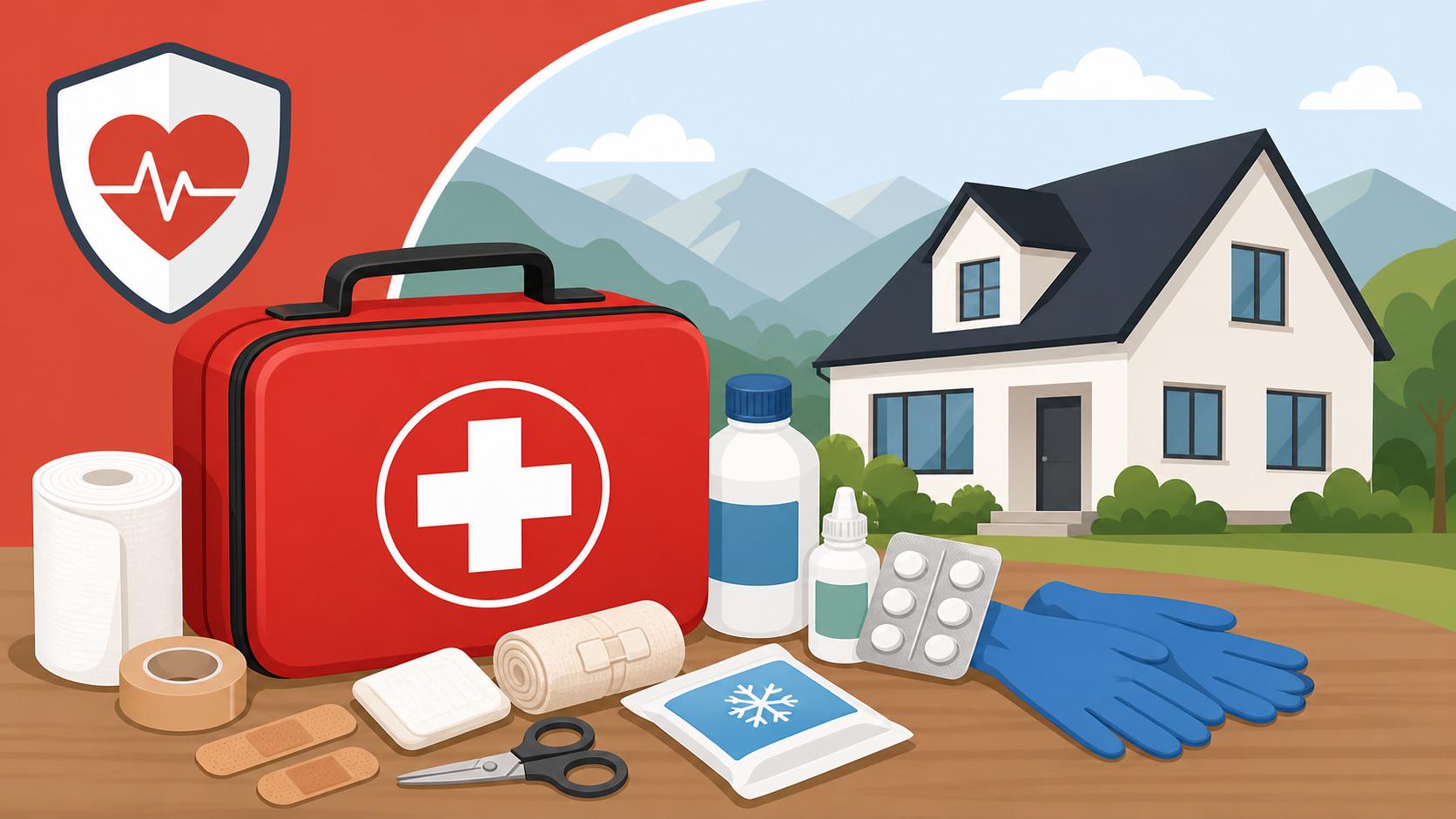
The core of any Austrian home kit is wound management. The Austrian Red Cross (Österreichisches Rotes Kreuz) has specific recommendations that mirror the "Verbandskasten" (first aid kit) required in every car. However, for a home, you want to be even more prepared for domestic accidents.
Basic Bandaging and Tapes
You should stock a variety of "Pflaster" (bandages). In Austria, you will see brands like Hansaplast everywhere. I highly recommend getting a mix of "Sensitiv" for children or sensitive skin and "Waterproof" for when you’re doing dishes. You should also have "Mullbinden" (gauze bandages) and "Wundauflagen" (sterile wound dressings). If you've been out hiking and come back with blisters, having "Blasenpflaster" is a lifesaver.
Disinfection and Antiseptics
This is where I struggled initially. In many English-speaking countries, we look for brands like Neosporin. In Austria, the gold standard is "Octenisept." It is a colorless, painless spray used for disinfecting wounds. Another common item is "Betadona," which is a povidone-iodine solution (the brown stuff). Be careful with the latter as it stains everything it touches. You should also keep a bottle of "Händedesinfektionsmittel" (hand sanitizer) specifically for the person administering first aid.
Tools of the Trade
Every kit needs a pair of "Verbandsschere" (bandage scissors) that are blunt-tipped so you don't accidentally poke the patient. You also need a high-quality pair of tweezers for removing splinters or the occasional tick. Given Austria’s geography, Tick Bites in the Alps: When to See a Doctor is a topic every resident should be familiar with, and having a "Zeckenzange" (tick tweezers) in your kit is non-negotiable during the summer months. Finally, a reliable digital "Fieberthermometer" is essential for monitoring health before deciding to use Finding Medical Care in Austria: Clinics, Hospitals, and Referrals for professional help.
Medications and Over-the-Counter Essentials
While the tools and bandages are the "hardware," the medications are the "software" of your kit. Because of the way Austrian law handles drugs, you need to be strategic about what you keep on hand so you don't find yourself at a "Nachtapotheke" at 3:00 AM paying a premium.
| Item Category | German Name | Common Use Case | Sourcing Location |
|---|---|---|---|
| Pain/Fever | Schmerzmittel | Headaches, fever, muscle pain | Apotheke Only |
| Disinfectant | Desinfektionsspray | Cleaning cuts and scrapes | Apotheke / DM (Select) |
| Antihistamine | Allergietabletten | Hay fever or insect bites | Apotheke Only |
| Digestive | Kohletabletten | Food poisoning or diarrhea | Apotheke Only |
| Wound Gel | Brandsalbe | Minor kitchen burns | Apotheke Only |
| Electrolytes | Elektrolytlösung | Rehydration after illness | Apotheke Only |
Managing Pain and Fever
The two heavy hitters in Austria are Paracetamol (brand name Mexalen) and Ibuprofen (often brand name Seractil or Nureflex). Understanding the nuances of Paracetamol vs Ibuprofen: What to Ask For at the Apotheke is vital because pharmacists in Austria are very proactive and will ask you detailed questions about your symptoms before handing over a box. I always keep both on hand. Paracetamol is generally better for fevers, while Ibuprofen is my go-to for inflammation or that inevitable backache after a day of skiing or moving furniture.
Allergies and Skin Irritations
If you suffer from seasonal allergies, you’ll find that Buying Eye Drops and Allergy Meds Over the Counter is straightforward but requires a trip to the chemist. For the home kit, keep a tube of "Fenistil" gel. It is the universal Austrian solution for insect bites, minor burns, and itchy rashes. If you have children, this is arguably the most used item in the cabinet.
Digestive Issues
The Austrian diet can be heavy (looking at you, Schweinsbraten), and sometimes your stomach might protest. "Bioflorin" or "Antibiophilus" are common probiotics used when things go south. For more immediate issues, "Kohletabletten" (activated charcoal) are a staple for treating sudden diarrhea. It is also wise to keep a few sachets of electrolyte powder (like Normhydral) to prevent dehydration, especially during the hot summer months in cities like Vienna or Graz.
Organizing and Maintaining Your Kit
A first aid kit is only useful if the items inside are actually functional. One mistake I made early on was letting my supplies expire. Austrian pharmacists are very diligent about expiry dates, and you should be too.
Location and Accessibility
Your kit should be in a cool, dry place. The bathroom is the traditional choice, but if your bathroom gets very steamy, a hallway cupboard might be better for the longevity of the medications. Ensure it is high enough to be out of reach of children but accessible enough that you can grab it with one hand if you're injured.
The ID and Insurance Component
While not a physical "tool," your The Austrian e-card: Registration, Photo Rules, and Usage Guide should be kept in a known location, perhaps near your first aid kit. If a minor injury turns into something requiring a doctor, you don't want to be hunting for your insurance card while in pain. I also keep a small card inside the kit with the phone numbers for Emergency Numbers: 144 Ambulance, 133 Police, 122 Fire and, most importantly, the number for the health advice line.
Knowing When to Call for Help
No matter how well-stocked your kit is, you must recognize its limits. If a wound won't stop bleeding after ten minutes of pressure, or if a fever persists despite medication, it is time to seek professional help. In Austria, we have a fantastic service called 1450. Calling 1450: Austria's 24/7 Telephone Health Advice Line connects you with a qualified nurse who can tell you if you should keep treating the issue at home with your kit or if you need to head to the nearest hospital. They are incredibly patient and can often provide advice in English if you're struggling with the German medical terms.
Sourcing Your Supplies: Apotheke vs. Drogerie
One final tip for the savvy expat: you don't have to buy everything at the pharmacy. While medications are restricted to the Apotheke, many "hardware" items like bandages, cotton pads, and even some light disinfectants can be found at "Drogerien" like DM or BIPA. These stores are significantly cheaper than a pharmacy for non-drug items.
I usually buy my bulk Pflaster and gauze at DM, but I always get my Octenisept and any pain relief from my local Apotheke. Building a relationship with your "Stamm-Apotheke" (regular pharmacy) is actually quite helpful; they can keep track of your prescriptions and offer better advice once they know you and your family's needs. This little bit of local integration makes the administrative hurdles of living in Austria feel a lot smaller.
Disclaimer
This guide is intended for informational purposes for expats and tourists in Austria and does not constitute professional medical advice. The items mentioned are standard for a household kit but should be tailored to your specific medical history and needs. Always consult with a qualified healthcare professional or an Austrian pharmacist (Apotheker) before using new medications or treating significant injuries. In the event of a medical emergency, immediately dial 144 for an ambulance or 112 for the European emergency number.