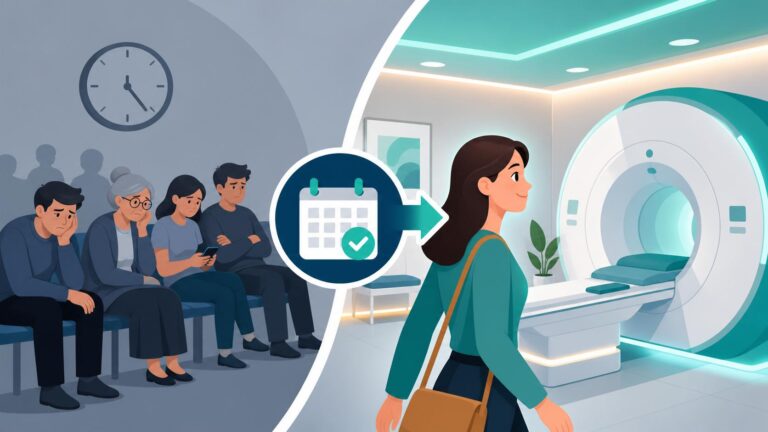
Family Health: Eltern-Kind-Pass 2026 and Maternity Care System
Navigating a foreign healthcare system while expecting a child is a unique blend of excitement and bureaucratic terror. I remember the cold sweat I broke into when I realized my yellow booklet was missing a stamp required for my benefits. This guide simplifies the Eltern-Kind-Pass 2026 and the maternity care system, ensuring you never miss a critical step.
Understanding the Shift From Mutter-Kind-Pass to Eltern-Kind-Pass 2026
For decades, the "Mutter-Kind-Pass" was a yellow paper booklet that every pregnant woman in Austria carried like a sacred relic. If you lost it, you risked losing thousands of Euros in childcare benefits. As of 2026, the system has fully transitioned to the digital Eltern-Kind-Pass. This change isn't just about going paperless; it’s a fundamental shift in how the state views family health. The new name, which translates to "Parent-Child-Pass," reflects a more inclusive approach that involves both parents in the medical and developmental journey of the child.
The digitalization process is tied directly to your ID Austria. In the past, you had to manually ensure doctors stamped your book. Now, examinations are logged electronically into the ELGA system. This is a massive relief for those of us who tend to lose track of paperwork, but it requires you to be proactive about your digital setup. You need to ensure your ID Austria and E-Government Tools for Foreign Residents are fully functional before your first major prenatal appointment, as this is how you will access your records and prove your compliance with the mandatory checkup schedule.
The 2026 version of the pass also includes expanded health screenings. While the old system focused heavily on physical benchmarks, the new digital pass integrates more comprehensive mental health checkups for both the mother and the partner. It’s a recognition of the fact that the transition to parenthood is as much a psychological journey as a physical one. This holistic view is a breath of fresh air, but it does mean more appointments to track in your digital calendar.
Finally, the inclusivity of the new pass means that non-traditional families and LGBTQ+ parents find the system much easier to navigate. The language used in the digital portal is designed to be gender-neutral and inclusive of various family structures. For expats coming from countries where healthcare is strictly transactional, this level of state-integrated family support can feel overwhelming at first, but it truly is one of the "gold standards" of living in Austria.
Enrollment and the Role of Social Insurance
In Austria, your maternity care is tied directly to your social insurance provider. Whether you are covered by the ÖGK, SVS, or BVAEB, the core services of the Eltern-Kind-Pass are covered. However, the experience of accessing these services can vary wildly depending on your status. If you are an employee, your ÖGK Enrollment Step-by-Step for Employed Residents in Austria usually happens automatically through your employer, but you must still notify your insurance provider once your pregnancy is confirmed by a doctor to unlock specific maternity benefits.
Finding a gynecologist (Frauenarzt) who is "Kassenarzt" (contracted with public insurance) is often the first hurdle for expats. Many of the best-rated doctors in cities like Vienna or Graz are "Wahlarzt" (private), meaning you pay upfront and seek a refund. If you go the public route, expect a bit of a wait for your first appointment. I remember calling twelve different offices before finding one that was taking new patients and spoke fluent English. It’s worth the effort, though, because a Kassenarzt handles all the digital logging for your Eltern-Kind-Pass 2026 automatically.
If you choose a private doctor, the administrative burden shifts to you. You will need to understand the Healthcare Costs: Kassenarzt vs Wahlarzt Differences Explained to ensure you aren't left with massive out-of-pocket expenses. Private doctors provide more time and often more modern facilities, but you must manually upload your examination results to the digital Eltern-Kind-Pass portal to ensure your Family Financial Benefits: Wochengeld and Kinderbetreuungsgeld are not jeopardized. The system is strict: no proof of exam, no money.
For those who are self-employed, the SVS Health Insurance: Rules for Freelancers and Self-Employed apply. The SVS has its own set of "bonuses" for staying healthy during pregnancy, but their digital interface can be slightly different from the ÖGK. Regardless of your provider, the first "official" examination usually happens between the 8th and 12th week of pregnancy. This is the moment the system recognizes your pregnancy, and your digital pass is officially activated in the national database.
The Mandatory Timeline of Required Examinations
The Eltern-Kind-Pass 2026 is not a suggestion; it is a requirement for receiving the full amount of Kinderbetreuungsgeld (Childcare Benefit). The schedule is divided into prenatal exams for the mother and postnatal exams for the child. Missing even one of these windows can lead to a significant reduction in your monthly allowance, sometimes by as much as €1,300 per parent. It sounds harsh, but the goal is to ensure the health of every child living in Austria, regardless of their parents' nationality.
The prenatal phase includes five mandatory examinations. These aren't just quick check-ins; they include detailed blood work, ultrasound screenings, and an internal examination. One of the most critical updates in 2026 is the inclusion of a mandatory "Parental Counseling" session. This is a one-hour talk with a midwife or a social worker to discuss the transition to parenthood, available resources, and your rights in the workplace. It’s actually quite helpful, providing a space to ask the "silly" questions that a busy gynecologist might not have time for.
Once the baby is born, the schedule shifts to the pediatrician. There are nine examinations (labeled U1 through U9) that take the child from birth to their fifth birthday. The U1 happens immediately after birth in the hospital, while the U2 occurs in the first week of life. As an expat, you’ll find that Finding an English-Speaking Pediatrician Accepting New Patients is a task you should start months before your due date. Pediatricians in Austria are notoriously overbooked, and having one lined up who understands the digital Eltern-Kind-Pass requirements is essential.
| Examination Phase | Timing | Primary Focus | Mandatory for Benefit? |
|---|---|---|---|
| 1st Prenatal | By 16th Week | Confirmation, Blood work, Health History | Yes |
| 2nd Prenatal | 17th – 20th Week | Internal Exam, Midwife Consultation | Yes |
| 3rd Prenatal | 25th – 28th Week | Glucose Tolerance Test (Diabetes) | Yes |
| 4th Prenatal | 30th – 34th Week | Ultrasound, Position Check | Yes |
| 5th Prenatal | 35th – 38th Week | Final check before birth | Yes |
| U1 (Postnatal) | At Birth | Vital signs (APGAR score) | Yes |
| U2 (Postnatal) | Day 3 – 10 | Newborn screening, Jaundice check | Yes |
| U3 (Postnatal) | Week 4 – 6 | Hip Ultrasound, Development | Yes |
Beyond the mandatory exams, there are optional screenings like the Nuchal Translucency test or the Combined Test. These are generally not covered by public insurance unless there is a medical necessity. If you want these extra layers of certainty, you’ll need to budget for them or check if your Private Health Insurance: Hospital Class Coverage Upgrades cover "extra-standard" prenatal diagnostics.
Navigating the Hospital System and Birth Registration
In Austria, you don't just show up at a hospital when you're in labor. You have to "register" for a birth spot (Geburtsanmeldung), often as early as the 12th week of pregnancy, especially in crowded cities like Vienna. Each hospital has its own vibe—some are high-tech medical hubs, while others focus on water births and "natural" experiences. I highly recommend attending the "Info-Abends" (information evenings) that most hospitals host. It’s the best way to see the labor wards and meet the staff before the big day.
The role of the midwife (Hebamme) in Austria is much more central than in many other countries. You are legally entitled to midwife care during pregnancy, birth, and the postpartum period. If you are giving birth in a public hospital, the midwives on shift will assist you. However, many expats prefer to hire a "Beleghebamme"—a private midwife who attends the birth with you at the hospital. This provides a level of continuity that the public system sometimes lacks. For more on this, check out the guide on Postpartum Care: Midwives (Hebamme) and Home Visits.
Once the baby arrives, the bureaucracy starts again. You need to register the birth at the Standesamt (Registry Office). Usually, the hospital will handle the initial notification, but you will need to provide your marriage certificate, birth certificates, and proof of your Austria Visas & Residence Titles 2027: Complete Guide status. Within a few days, you will receive the baby’s birth certificate and their own Meldezettel. This is a frantic time, but getting these documents early is crucial for the Registering a Newborn Baby for an e-card Automatically process.
One thing that surprises many expats is the length of the hospital stay. In Austria, it is common to stay in the hospital for 3 to 5 days after a standard vaginal birth and up to 7 days after a C-section. This time is used for recovery, breastfeeding support, and the initial U1 and U2 exams. If you prefer to go home early (ambulant birth), you must prove that you have a midwife scheduled to visit you at home daily for the first week.
Postnatal Care and Parental Support Systems
The "fourth trimester" is taken very seriously in Austria. Once you are home, your midwife will visit you daily (or every few days) to check on your recovery and the baby’s weight. These visits are covered by your insurance. For a new parent in a foreign country, these visits are a lifeline. They can help with everything from umbilical cord care to the "Baby Blues." If you are struggling, don't hesitate to look into Mental Health in Austria: Counseling, Therapy, and Expat Support specifically tailored for postpartum needs.
The digital Eltern-Kind-Pass 2026 will send you notifications for upcoming pediatric appointments. It is vital to stay on top of these. The U3 examination, which happens around the one-month mark, includes a mandatory hip ultrasound. In Austria, this is standard practice to catch hip dysplasia early. If you miss this window, the insurance company might flag your digital record, requiring a manual explanation to avoid a benefit cut.
Breastfeeding support is also robust. Most hospitals have certified lactation consultants, and there are "Stillcafés" (breastfeeding cafes) across the country where you can meet other moms. If you’re in the capital, the Vienna Healthcare Guide: Top Expat Clinics and Hospitals lists several centers that offer bilingual support groups. Connecting with other expat parents who are navigating the same system can make a world of difference in your confidence levels.
As the child grows, the Eltern-Kind-Pass continues to track vaccinations. While vaccinations are not strictly mandatory in Austria, they are highly recommended, and the record is kept within the digital pass. This record will eventually be required when you apply for Finding Childcare: Kindergarten Registration Timelines. The state-funded vaccination program covers most essential shots, but some, like the Tick-Borne Encephalitis (FSME) Vaccine: Why You Need It, are often paid for out-of-pocket or via small co-pays at the pharmacy.
Financial Support and Legal Protections for Families
Austria offers some of the most generous family benefits in the world, but they are gated by strict legal requirements. The first is "Mutterschutz" (Maternity Protection). This is a legal period—usually 8 weeks before and 8 weeks after birth—where the mother is prohibited from working. During this time, you receive "Wochengeld," which is a replacement for your salary paid by the insurance provider. To claim this, you must have your doctor upload the confirmation of your due date to the digital system.
After Mutterschutz ends, you transition to "Karenz" (Parental Leave). This is the period where you can stay home with your child while your job is legally protected. For expats, it is crucial to understand the Employment Rights: Arbeiterkammer, Contracts, and Leave associated with Karenz. You must notify your employer in writing about the duration of your leave within eight weeks of the birth. Most expats don't realize that both parents can split this leave, which is a great way to ensure both parents bond with the baby.
The "Kinderbetreuungsgeld" is the actual money the state pays you while you are on leave. There are two models: the "Account Model" (a fixed sum distributed over a chosen period) and the "Income-Related Model" (80% of your previous income for up to 14 months). Choosing between these requires careful planning. I highly recommend using the online calculators provided by the Navigating Social Insurance: ÖGK, SVS, and BVAEB Overview websites to see which model fits your family’s financial needs best.
Remember, all these payments are contingent on you completing the examinations in the Eltern-Kind-Pass. If you are a non-EU citizen, you also need to ensure that your Family Reunification Visa (Familienangehöriger) Process is up to date, as your right to receive these benefits is often tied to your residency status. The "Finanzamt" (Tax Office) also provides "Familienbeihilfe" (Family Allowance), a monthly payment for every child living in Austria, which is usually granted automatically once the birth is registered, but it’s worth double-checking your FinanzOnline account.
Practical Tips for Expat Parents
If your German is still a work in progress, medical appointments can be intimidating. While many doctors speak English, the medical assistants (who handle the paperwork and digital logging) might not. It is wise to suggest bringing a "cheat sheet" of German medical terms or using a translation app. Better yet, if you can afford it, hiring a private midwife who is fluent in your language can act as a bridge between you and the rest of the medical system.
For those moving to Austria while already pregnant, the transition can be tricky. You will need to have your foreign medical records translated by Certified Translations of Documents: What the Rules Demand and then "mapped" onto the Austrian digital Eltern-Kind-Pass. A local gynecologist will need to review your previous exams and enter them into the Austrian system to ensure you don't lose credit for the work done in your home country. This is a manual process and requires a doctor who is willing to do the extra paperwork.
Another practical tip is to embrace the "Eltern-Kind-Pass-Bonus." Many pharmacies and baby stores offer discounts and free "welcome boxes" if you show your digital pass (or proof of your pregnancy). It’s a small perk, but when you’re buying your tenth pack of diapers, every little bit helps. Also, keep an eye on your The Digital Eltern-Kind-Pass 2026: What Changed for Parents updates, as the Ministry of Health occasionally adds new free screenings or counseling sessions to the program.
Finally, don't forget the "other" parent. The 2026 system actively encourages partners to attend appointments. Some hospitals even offer "Familienzimmer" (family rooms) where the partner can stay overnight after the birth for a small fee. This is a wonderful way to start your journey as a family unit. Just make sure the partner has their The Austrian e-card: Registration, Photo Rules, and Usage Guide ready, as they will also need to be identified in the digital system if they are claiming any part of the parental leave or benefits.
Disclaimer
This guide is for informational purposes only and does not constitute legal or medical advice. The Austrian healthcare and immigration systems are subject to frequent changes. While we strive to provide the most current information regarding the Eltern-Kind-Pass 2026 and maternity care, you should always consult with the ÖGK, your healthcare provider, or a qualified legal expert to confirm how these rules apply to your specific circumstances. All internal links provided are intended to offer additional context and should be verified for the latest updates.