Dealing with Pest Control (Mice, Bugs) in Rented Apartments
Finding out you have uninvited six-legged or furry roommates in your beautiful Austrian apartment is a nightmare that can make even the most seasoned expat feel isolated and overwhelmed. I still vividly remember my first winter in a 19th-century Vienna apartment when I found mouse droppings in my cutlery drawer; I felt a mix of shame and total confusion about whether I was allowed to call a professional or if my landlord would blame me. This guide breaks down exactly how to navigate the legal, practical, and cultural complexities of pest control in Austria so you can reclaim your home.
Identifying Common Pests in Austrian Rentals
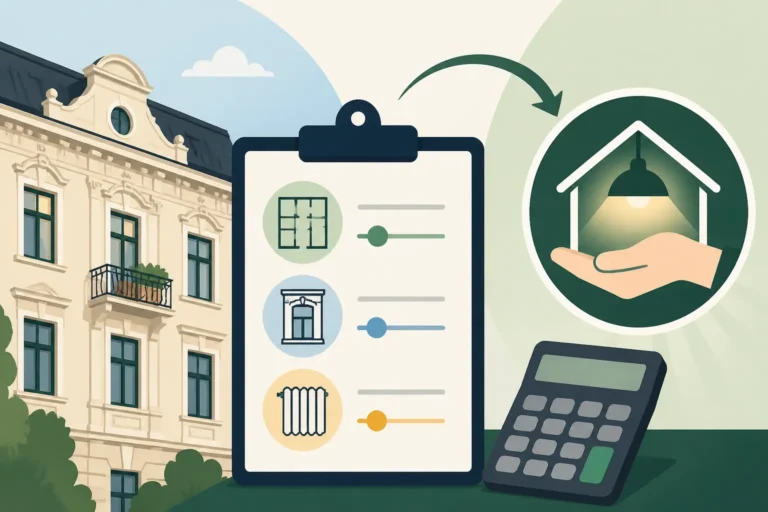
Before you panic-buy every chemical at the local BIPA or DM, you need to know what you are dealing with. In Austria, the type of building you live in often dictates the kind of pests you might encounter. If you are living in a historic district, you are likely in an apartment where the Altbau vs Neubau: Differences in Rent, Charm, and Heating are very apparent. Older buildings (Altbau) often have thick stone walls with hollow spaces and interconnected floorboards, which act like a highway for mice and silverfish.
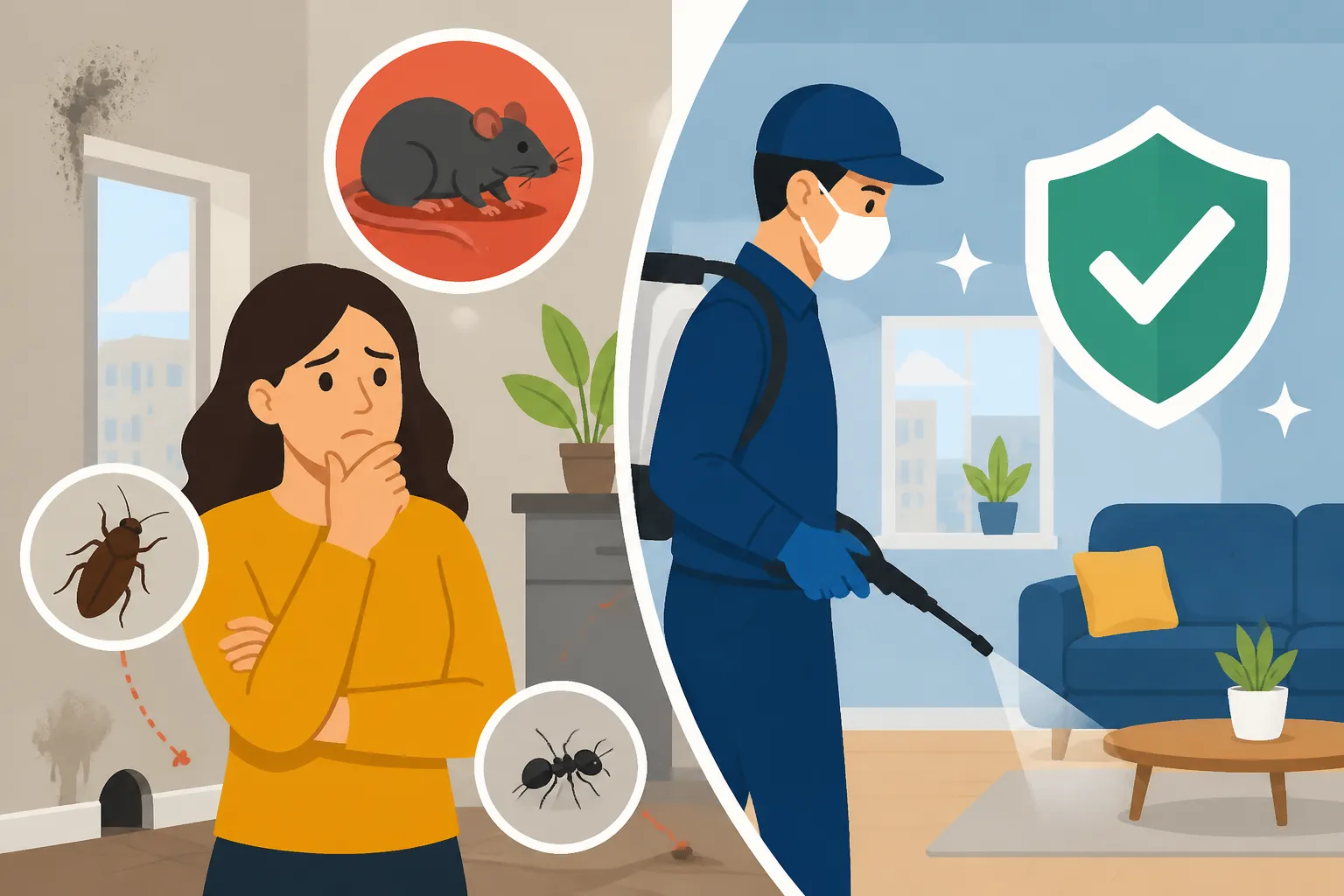
Mice are a common winter problem in Austria. As the temperatures drop in October, they seek the warmth of the cellar (Keller) and eventually find their way up through the utility shafts. You might not see them at first, but you will hear the scratching in the walls during the Quiet Hours (Ruhezeit) and Apartment Neighbor Etiquette windows. If you see small, dark grains of "rice" in your pantry, you have a mouse problem. In newer buildings (Neubau), you are more likely to encounter silverfish (Silberfische) in the bathroom or ants (Ameisen) in the kitchen, especially if you live on the ground floor.
Bedbugs (Bettwanzen) are another rising concern in major cities like Vienna and Graz. These are not a sign of a dirty home; they are world-class hitchhikers often brought in via suitcases after traveling or from second-hand furniture found on Willhaben. Identifying these early is crucial because the cost of treatment escalates rapidly. Look for tiny black spots on mattress seams or unexplained rows of itchy red bites on your skin. Knowing the signs early is a key part of your Living in Austria 2027: The Expat Starter Guide knowledge base.
Legal Responsibility: Who Pays for Pest Control in Austria
The biggest source of stress for expats is the bill. In Austria, the legal framework is primarily governed by the Mietrechtsgesetz (MRG), and the answer to "who pays" depends on whether the infestation is considered a "building defect" or a result of your personal behavior. Generally, if the pests are coming from the structure of the building or a common area like the trash room, the landlord or the Hausverwaltung (property management) is responsible for the costs.
However, the landlord might try to claim that your lack of cleanliness or improper Managing Household Waste: Strict Recycling Rules Explained led to the problem. This is why documentation is your best friend. If you just moved in and find pests, refer back to your Move-in Inspections (Übergabeprotokoll): Documenting Damage to see if there were any pre-existing holes or dampness noted. If the infestation affects the "usability" of the apartment (Brauchbarkeit), you may even be entitled to a temporary rent reduction (Mietzinsminderung), but never withhold rent without legal counsel from the Mietervereinigung (Tenants' Association) or the Arbeiterkammer.
For those living in older buildings with Rent Control (Altbau Richtwert): Calculating Fair Rent 2026, the rules are quite strict. The landlord must ensure the building is kept in a state that doesn't pose a health risk. If cockroaches are migrating from a neighbor's flat or the building’s central sewage line, that is 100% a management issue. If you have Legal Protection Insurance (Rechtsschutzversicherung) Overview, now is the time to check if it covers tenancy disputes, as landlords can sometimes be stubborn about admitting a building-wide issue.
Responsibility Comparison Table
| Pest Type | Likely Responsibility | Notes |
|---|---|---|
| Mice (Building-wide) | Landlord / Hausverwaltung | If they are entering through structural cracks or the cellar. |
| Cockroaches | Landlord / Hausverwaltung | Usually considered a building-wide health hazard. |
| Ants (Ground Floor) | Landlord | Often due to cracks in the building's foundation. |
| Bedbugs | Tenant (Usually) | Landlords often argue these were "brought in" by the resident. |
| Silverfish | Tenant | Often linked to humidity levels and ventilation (Lüften) habits. |
| Pantry Moths | Tenant | Usually brought in via grocery store packaging. |
Step-by-Step Guide to Reporting and Resolving Pests
When you spot a pest, your first instinct might be to call a private exterminator. Stop. If you want the landlord to pay, you must follow the official "Mängelanzeige" (defect reporting) process. If you hire someone privately without notifying the Hausverwaltung first, you will almost certainly be stuck with the bill, which can range from €200 for a simple baiting to over €1,500 for heat treatment of bedbugs.
First, take clear photos of the pests, their droppings, or any damage they have caused. Send an email (and a registered letter, or "Einschreiben," for serious cases) to your Hausverwaltung. State clearly that there is a "Schädlingsbefall" (pest infestation) and request that they send a professional "Schädlingsbekämpfer" within a reasonable timeframe, usually 3 to 7 days depending on the severity. If you are Moving to Austria with Family: Schools and Logistics, emphasize the health risk to children to speed up the response.
While waiting for the professional, do not use "bomb" sprays, as these often just drive the pests deeper into the walls of the Altbau, making the expert's job harder later. Instead, focus on containment. Seal your food in glass or heavy plastic containers. If you suspect bedbugs, wash your bedding at 60°C and seal it in airtight bags. This proactive approach shows the Hausverwaltung that you are taking your "Sorgfaltspflicht" (duty of care) seriously, which protects you if they try to claim you caused the problem.
Preventative Measures and Local Etiquette
In Austria, preventing pests is deeply tied to how you manage your household. The way you handle trash is the most significant factor. If you leave bags of "Restmüll" (general waste) on your balcony or in the hallway, you are essentially putting out a welcome mat for rodents. Following the local rules for Managing Household Waste: Strict Recycling Rules Explained is not just about being "green"; it’s about keeping the building's basement and courtyards clean.
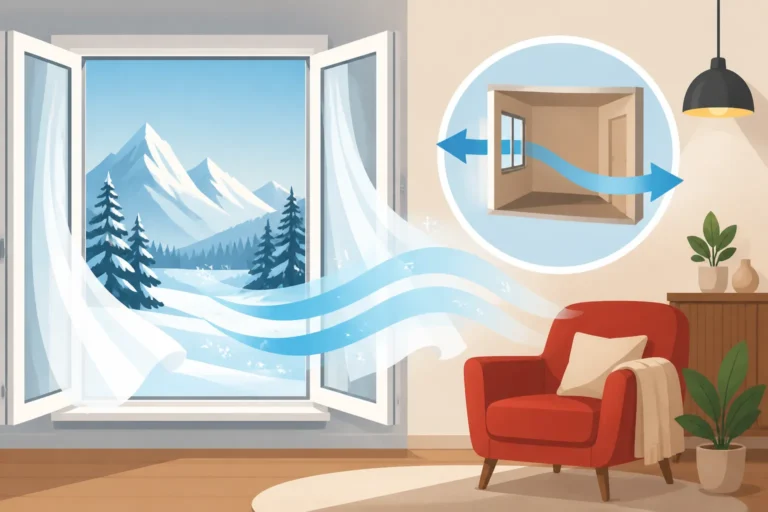
Another uniquely Austrian factor is "Lüften"—the art of window ventilation. Because many Austrian apartments are built to be airtight or have thick stone walls that trap moisture, poor ventilation leads to high humidity, which attracts silverfish and dust mites. If you have Household Insurance (Haushaltsversicherung) Explained, check your policy. Some premium "Eigenheim" or "Haushalt" policies actually include a small allowance for emergency pest control or "Ungezieferbekämpfung," which can be a lifesaver if the landlord refuses to pay.
Finally, talk to your neighbors. In an apartment block, if you have cockroaches, it is highly likely the person above or below you does too. While it can be embarrassing to bring up, the "I've-been-there" reality is that you cannot win a battle against pests if they are just hiding in the neighbor's flat during your treatment. Use the building's "Schwarzes Brett" (notice board) or your building’s WhatsApp group to see if others are experiencing the same. Understanding Renting in Austria: MRG Laws, Leases, and Bestellerprinzip means knowing that collective action is often the only way to force a lazy Hausverwaltung to treat the entire building rather than just one room.
Legal Disclaimer
This article is for informational purposes only and does not constitute legal advice. Housing laws in Austria (Mietrecht) are complex and subject to change. For specific disputes, always consult the Arbeiterkammer, the Mietervereinigung, or a qualified legal professional specializing in Austrian tenancy law.