Do I Need to Bring My e-card During Sick Leave Visits?
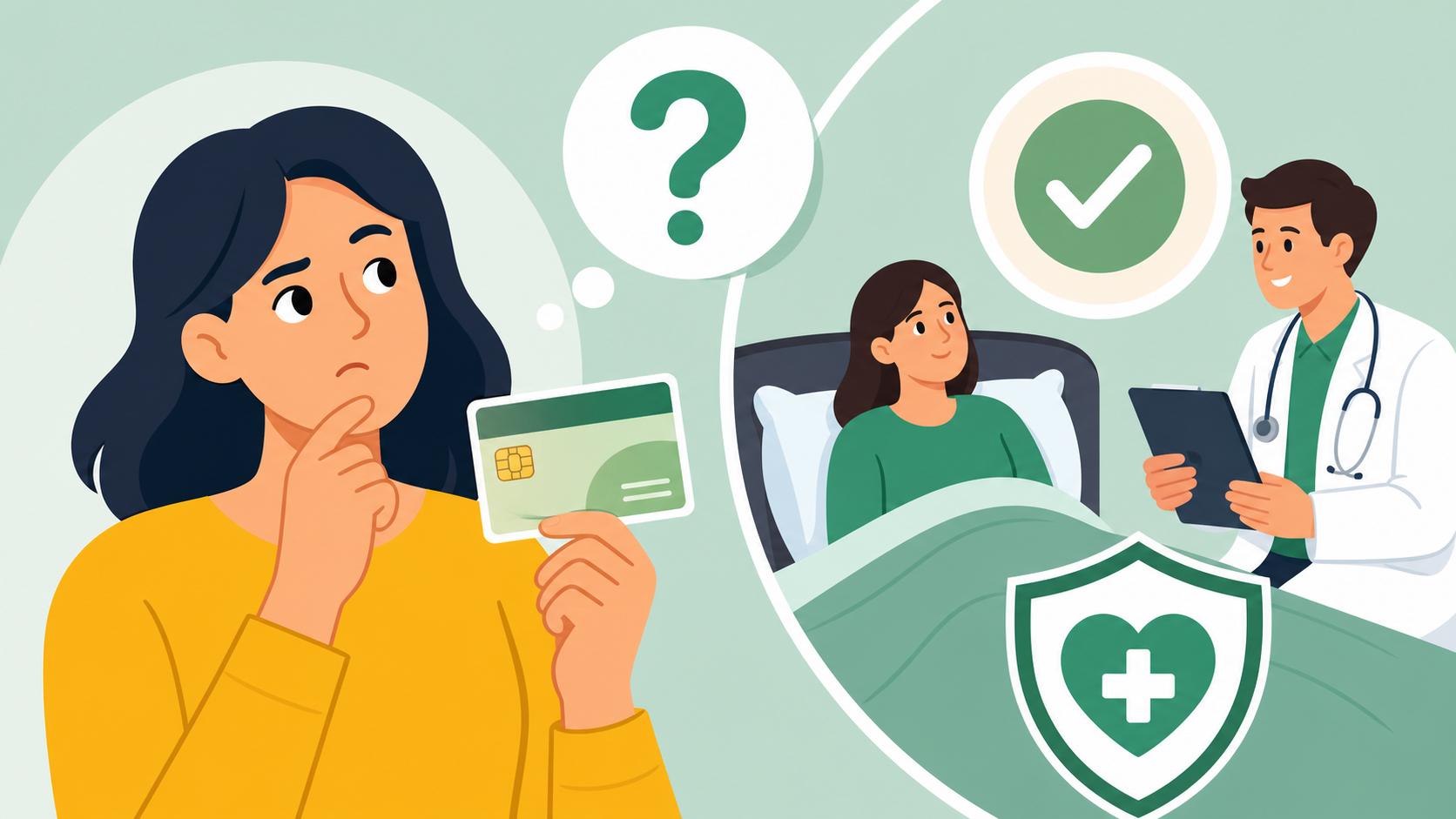
Waking up with a fever and a scratchy throat is stressful enough without worrying if you have the right plastic card in your wallet. I remember my first winter in Salzburg, shivering in a doctor’s waiting room and panicking because I thought my insurance hadn't "synced" yet. This guide settles the confusion about using your e-card during sick leave visits once and for all.
The Short Answer: Yes, the e-card is Non-Negotiable
When you are sick in Austria and need to officially enter a state of "Krankenstand" (sick leave), your e-card is the primary tool that connects your medical reality to the social security system. Without it, the doctor cannot easily verify your insurance status or, more importantly, issue the electronic documentation required by your employer and the insurance carrier. In the Austria Healthcare System 2027: Complete Guide for Foreign Residents, the e-card serves as your digital key to every consultation, prescription, and official sick note.
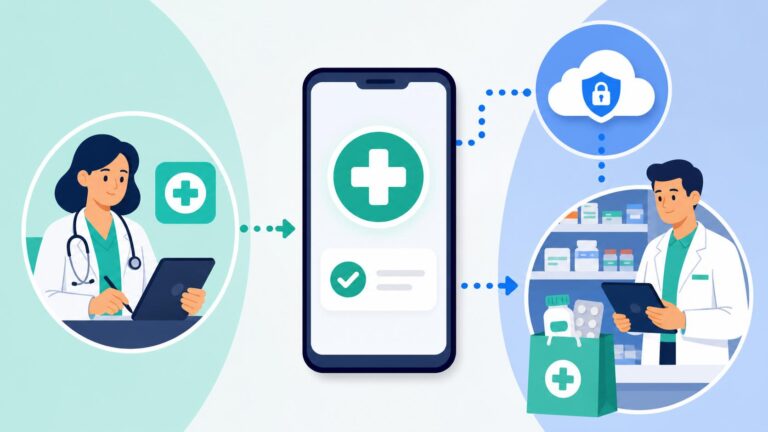
The e-card is not just a piece of plastic; it is a gateway to the How the e-Rezept (Electronic Prescription) System Works. When the receptionist at the doctor's office swipes your card, they aren't just checking that you paid your premiums. They are accessing a secure network that allows them to bill the state for your visit and document that you are medically unfit for work. If you are too ill to leave your bed and require a home visit, the doctor will still ask for the card upon arrival to process the paperwork on their mobile terminal.
Furthermore, the e-card holds critical metadata. It tells the doctor which insurance provider you are with, whether it is the ÖGK for most employees, the SVS for freelancers, or the BVAEB for public sector workers. If you are still confused about your specific provider, you might want to look into Navigating Social Insurance: ÖGK, SVS, and BVAEB Overview to understand how your contributions are managed. Carrying the card ensures that the "Krankmeldung" (the official notification of illness) is sent to the correct office instantly.
The Role of the e-card in the "Krankmeldung" Process
To legally be on sick leave in Austria, you cannot simply call your boss and say you’re staying home—though that is the first step of the Exact Steps to Notify Your Employer of a Krankenstand. To protect your salary and your job, you need a medical professional to "write you sick" (krankschreiben). This is where the e-card becomes essential. The moment the card is swiped, the doctor’s software generates a digital certificate of incapacity for work.
This certificate is then transmitted to the Austrian Health Insurance Fund (ÖGK). Because the system is largely digitized, this swipe often automates the notification that goes to your employer’s insurance dashboard. However, you will still receive a paper or PDF printout. This document usually comes in two parts: one for you, which contains the diagnosis code, and one for your employer, which strictly mentions the duration of the leave without revealing your private medical details.
If you are a newcomer, you might find it helpful to start by Finding an English-Speaking Hausarzt in Your District before you actually get sick. Having a "Hausarzt" (General Practitioner) who already has your data in their system makes the e-card swipe even faster. During a flu outbreak or a wave of respiratory infections, being able to walk in, swipe, and be processed quickly is a massive relief when you’re feeling miserable.
What Happens if You Forget Your e-card?
We have all been there—running out of the house in a daze, clutching a tissue box but forgetting your wallet. If you show up at a "Kassenarzt" (a doctor who accepts public insurance) without your e-card, they are technically allowed to refuse treatment unless it is a life-threatening emergency. However, most doctors are human and will offer a workaround, provided you can prove who you are.
Usually, the clinic will ask for a deposit (Einsatz), which can range from 20 to 50 Euros. They will treat you, but they won't be able to process your "Krankmeldung" or your prescriptions through the public system immediately. You will then have a specific window of time—usually two weeks—to return to the clinic with your physical e-card. Once you swipe the card, they refund your deposit and finalize the billing with the insurance provider.
Comparison: Visiting the Doctor With vs. Without an e-card
| Feature | With e-card | Without e-card (Forgotten) |
|---|---|---|
| Verification | Instant digital verification. | Manual ID check and temporary deposit. |
| Sick Note | "Krankmeldung" sent to ÖGK instantly. | Delayed until the card is presented. |
| Prescriptions | Digital "e-Rezept" sent to all pharmacies. | Paper "Privatrezept" (you pay full price). |
| Billing | Directly billed to insurance. | Potential upfront "Einsatz" (deposit) fee. |
| Pharmacy | Swipe card to pick up meds. | Must have paper/ID and pay full price. |
If you have lost your card entirely, do not wait until you are sick to fix it. You should immediately look into the Lost e-card: Reporting and Replacement Process Explained to ensure a new one is mailed to your registered address. You can also use the ID Austria app to show a digital version of your insurance status in some clinics, but the physical card remains the "gold standard" for most administrative systems.
Sick Leave Logistics for Expats: Beyond the Card Swipe
While the e-card gets you through the door, the rules of "Krankenstand" in Austria are quite strict compared to other countries. Once you have swiped your card and the doctor has officially started your sick leave, you enter a period where your primary "job" is to recover. This is a common point of confusion for foreigners who might think they can run errands or go to the cinema since they aren't at the office.
The doctor’s note will often specify "Ausgehzeiten" (permitted times to leave the house). If your note says you are bedridden, you should genuinely stay home. There are rare but real instances where the insurance company sends an inspector to check if you are actually at home. If you are caught hiking in the Alps while on sick leave for a back injury, you could face termination of your contract. For more on these boundaries, see Can I Leave My House During a Krankenstand?.
Additionally, the timing of your visit matters. You should ideally visit the doctor on the first day of your illness. While some doctors can backdate a sick note by one or two days, they are not legally obligated to do so and often require a very good reason. If you wait until day four of a fever to swipe your e-card, your employer may legally be allowed to count those first three days as "unexcused absence," which can lead to a loss of pay or a warning. Check Does My Employer Require a Doctor's Note from Day One? to see what your specific collective agreement says.
Special Scenarios: Private Doctors and Specialists
If you choose to visit a "Wahlarzt" (private doctor) during your illness, the e-card process is slightly different. A private doctor cannot always swipe your card to bill the insurance directly. You will pay the full amount upfront and then submit the invoice for a partial refund. However, even private doctors need your insurance details to issue an official "Krankmeldung" that the ÖGK will recognize.
For those seeing specialists, the rules about referrals have become more streamlined. You can often go directly to a specialist like a gynecologist or a dermatologist for a sick-leave-related issue, but the e-card is still the primary way they track your "Behandlungsfall" (case of treatment). If you are covered by the public sector insurance, make sure you understand Understanding BVAEB Deductibles (Selbstbehalt), as your "card swipe" might still result in a small bill sent to your home later.
In the case of severe illness where you cannot move, calling an ambulance or a mobile doctor (Ärztefunkdienst 141) is the right move. Even the emergency medics will ask for the e-card if you are conscious and have it nearby. If you are in Vienna and the situation is urgent but not quite life-threatening, you might wonder, Is Calling an Ambulance Free in Vienna?—the answer usually involves your e-card and the nature of the emergency.
Administrative Requirements: The Photo and the Fee
Your e-card will only work if it is valid and active. Since 2020, Austria has phased in a mandatory photo requirement for all cards (with some exceptions for the elderly or disabled). If your card does not have a photo and you haven't registered one, the doctor’s system might show your card as "blocked" or "expired." You should verify this by reading The e-card Photo Requirement: How and Where to Register.
Furthermore, there is a small annual service fee (e-card Service-Entgelt) that is usually deducted from your salary or your social security account every year. If you are a student or a freelancer, ensuring this fee is paid is crucial for keeping the card active. If you ever find yourself in a position where you are between jobs, you must be careful about your coverage. You can find detailed advice in Sick Leave (Krankenstand): Employer Notification and Doctor Notes regarding how to maintain your rights during transitions.
Finally, remember that the e-card also acts as your European Health Insurance Card (EHIC) on the reverse side. If you get sick while on a business trip or vacation within the EU, that same piece of plastic is what you will show at a foreign hospital. It is arguably the most important document in your wallet next to your residence permit.
Legal Disclaimer
This article is provided for informational purposes only and does not constitute legal or medical advice. Healthcare regulations and social insurance laws in Austria are subject to change. While every effort has been made to ensure the accuracy of the information provided, you should always consult with your official insurance provider (such as ÖGK, SVS, or BVAEB) or a qualified legal professional regarding your specific situation and rights. The author is an expat sharing personal experience and research, not a government official.