Buying Fixer-Uppers in Rural Austria: Costs and Permits
Trying to turn a crumbling Alpine farmhouse into a modern sanctuary often feels like a romantic dream until you realize the local municipality has strict rules about the exact shade of wood you use for your shutters. I remember standing in a drafty barn in Styria, clutching a set of keys and wondering if I’d just bought a dream or a massive legal headache. This guide breaks down the financial and bureaucratic realities of buying a fixer-upper in the Austrian countryside so you can avoid the common pitfalls that catch foreigners off guard.
The Reality of Rural Real Estate in the Austrian Countryside
Finding a bargain in the hills of Lower Austria or the valleys of Carinthia is entirely possible, but "cheap" is a relative term when you factor in the traditional construction methods of the region. Most fixer-uppers in rural Austria are built with thick stone or brick, which offers incredible thermal mass but can hide centuries of dampness or structural shifts. Before you sign anything, you need to understand that the rural market operates differently than the urban one. In many villages, properties are sold through local word-of-mouth or small regional platforms rather than the massive international portals.
When you start your search, you must be aware of the Where to Live: Comparing Vienna, Graz, Linz, and Salzburg dynamics, as rural prices drop significantly the further you get from these hubs. However, the trade-off is often a lack of local infrastructure and much stricter local zoning laws. In many rural zones, houses are categorized under specific "usage" types. If a house is listed as a secondary residence (Zweitwohnsitz), it is much easier for an expat to buy, but if it is designated as a primary residence, the local authorities might require you to prove you actually live there. This is a crucial step in Buying Property in Austria as a Foreigner: Legal Process that many people overlook until they are already in the negotiation phase.
Navigating the Legal Approval for Rural Land
One of the biggest hurdles for non-EU citizens is the "Grundverkehrsbehörde" or the Land Transfer Authority. In rural Austria, land is protected to ensure it remains in the hands of those who will actually use it—especially if there is agricultural land attached to the property. If your fixer-upper comes with a large plot of "Grünland" (green land), you might find yourself in a lengthy approval process. The authorities want to prevent "cold beds"—properties that sit empty for most of the year, hollowing out local communities.
If you are a third-country national, you will likely need to go through a formal approval process where you explain your intent for the property. This is why Purchasing Property as a Non-EU Citizen: Restrictions are so significant in the countryside compared to the city. You may be asked to provide a detailed plan of what you intend to do with the house and how you will integrate into the village. Buyers are sometimes rejected simply because they couldn't prove that their renovation would benefit the local area. It is often helpful to have a local architect or lawyer who knows the specific "Bezirksgrundverkehrskommission" members to help navigate these waters. You should also be prepared to submit a Pulling a Clean KSV1870 Extract for MA 35 or similar credit checks if you are also applying for residency based on your investment.
Understanding the Building Permit and Bauverhandlung Process
Renovating a house in Austria is not just about hiring a contractor; it is a highly regulated legal procedure. If you are making structural changes, such as adding a dormer window, changing the roofline, or expanding the footprint of the house, you will need a "Baubewilligung" (building permit). This starts with a "Bauansuchen" (building application) submitted to the mayor's office (Gemeinde).
The most daunting part for many expats is the "Bauverhandlung." This is an on-site hearing where a building expert from the province, the mayor, and your neighbors are all invited to walk around the property and review your plans. In rural Austria, neighbors have a legal right to object to your plans if they feel their light, privacy, or safety is compromised. Some projects have been projects stalled for months because a neighbor didn't like the height of a new chimney. Managing these relationships is just as important as the construction itself. This is why Quiet Hours (Ruhezeit) and Apartment Neighbor Etiquette is a mindset that starts even before you move in; being the "friendly new neighbor" who shares their plans over a coffee can save you thousands in legal fees later.
Breaking Down the Purchase Costs and Nebenkosten
When budgeting for a fixer-upper, the purchase price is only the beginning. In Austria, the "Nebenkosten" (additional costs) are fixed and non-negotiable. You should generally budget about 10% to 12% of the purchase price for these fees. If you are buying a house for €200,000, you are actually looking at a total layout of closer to €225,000 before a single hammer is swung.
| Fee Type | Percentage of Purchase Price | Description |
|---|---|---|
| Grunderwerbsteuer | 3.5% | Real estate transfer tax paid to the state. |
| Eintragungsgebühr | 1.1% | Fee to register your name in the Land Register (Grundbuch). |
| Notary/Lawyer Fees | 1.2% – 2.5% | Costs for drafting the contract and escrow services. |
| Real Estate Agent | 3.0% + VAT | Often split, but check the Bestellerprinzip 2026: Landlords Pay the Agent Fee rules for recent changes. |
| Valuation Fees | €500 – €2,000 | Essential for getting a mortgage on an old property. |
It is also vital to consider the Sourcing Cheap Used Furniture on Willhaben Safely strategy early on, as your renovation budget will likely be eaten up by "invisible" costs like rewiring and plumbing. If you are financing the purchase, be aware that banks are often hesitant to lend large amounts for fixer-uppers unless you have a very detailed cost estimate from a certified "Baumeister" (master builder). They will want to see that the finished value of the house will exceed the total loan amount.
Technical Hurdles and 2026 Energy Requirements
Austria has some of the strictest energy efficiency laws in Europe, and by 2026, the push to move away from fossil fuels has intensified. Many old rural houses still rely on "Ölheizung" (oil heating) or old wood burners. If you buy a fixer-upper today, you are often legally required to upgrade the heating system within a certain timeframe, especially if you are doing a major renovation. The transition to heat pumps (Luftwärmepumpe) or pellet heating is subsidized, but the initial investment is high.
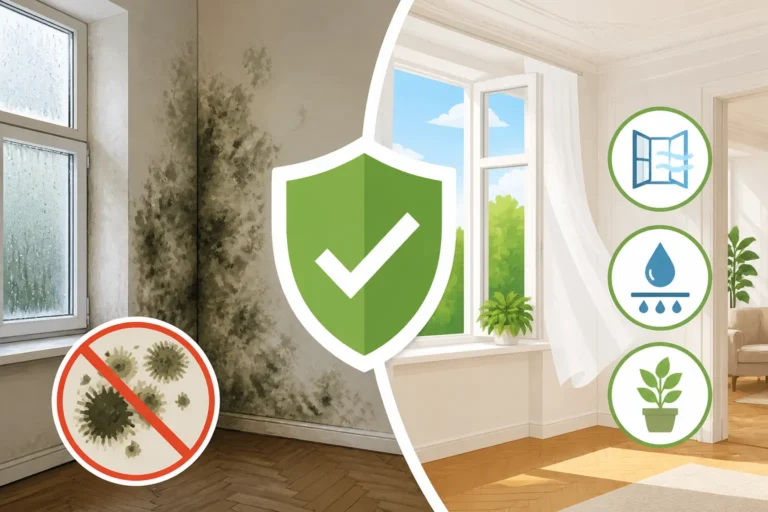
You should also be on the lookout for "Schimmel" (mold), which is the nemesis of the Austrian "Altbau." Because these houses were built to breathe, modernizing them with airtight plastic windows without installing proper ventilation can lead to massive damp issues. I always recommend Preventing Mold (Schimmel) in Old Altbau Apartments by consulting with a local specialist who understands the physics of stone walls. Additionally, you must ensure that your renovation plans comply with the "Bebauungsplan" (zoning plan) of the village, which dictates everything from the pitch of your roof to the "Bebauungsdichte" (how much of the lot you can actually cover with buildings).
Finding Reliable Craftspeople in Rural Areas
In the city, you can find a handyman on an app, but in the countryside, the "Baumeister" is king. For a major renovation, you will need a master builder who can legally sign off on the work for the municipality. Finding English-Speaking Plumbers and Electricians in rural Styria or Tyrol is a challenge. Most local firms are small, family-run businesses that have been working in the valley for generations.
The best way to find reliable workers is to go to the local "Stammtisch" or ask the "Gemeinde" for recommendations. Be prepared for a very direct communication style. In rural Austria, a "Ja" doesn't always mean "I'll do it tomorrow"; it means "You're on my list." Punctuality is a religion here, but so is the summer holiday season. Do not expect any work to happen between mid-July and late August. If you need urgent repairs, knowing How to Find the Nearest Sunday Pharmacy (Nachtapotheke) for your own stress levels is good, but for the house, you'll need a "Notdienst" (emergency service) number for the local plumber taped to your fridge.
Heritage Protection and Denkmalschutz
Some of the most beautiful fixer-uppers in Austria are "Denkmalgeschützt" (listed/heritage protected). While these properties have immense charm and often come with tax breaks, they are a bureaucratic minefield. If a house is under heritage protection, you cannot change the windows, the facade, or sometimes even the interior layout without explicit permission from the "Bundesdenkmalamt."
Before you fall in love with a vaulted ceiling or an ancient fresco, check the "Grundbuch" (Land Register) to see if there are any heritage restrictions. Renovating a protected building requires specialized artisans who know how to work with lime mortar and traditional pigments. The costs are significantly higher—often 30% to 50% more than a standard renovation. However, the result is a piece of Austrian history. If you are considering this path, make sure you understand the Notary Fees During Property Transfer and have a lawyer who specializes in heritage law review the purchase agreement to ensure you aren't inheriting any unresolved orders from the building authorities.
Managing the Renovation Budget and Subsidies
The good news is that Austria offers some of the most generous renovation subsidies in Europe, particularly for energy-efficient upgrades. In 2026, the "Sanierungsbonus" can cover a significant portion of the costs for insulation, window replacement, and heating system swaps. These grants are often managed at both the federal and provincial (Land) levels, so you need to check the specific rules for the province where you are buying.
To qualify for these subsidies, you usually need to have an "Energieausweis" (energy certificate) created before and after the renovation. This document is also mandatory whenever a house is sold. Using ID Austria and E-Government Tools for Foreign Residents can help you track your applications for these grants. Keep every single invoice ("Rechnung") because you will need them for your tax return and for subsidy verification. If you are doing a lot of the work yourself, keep in mind that you can't claim subsidies for your own labor, only for materials and professional services that are officially invoiced.
Integration and the Long-Term Commitment
Buying a fixer-upper in a small Austrian village is a social commitment as much as a financial one. You aren't just buying a house; you are joining a community. People will watch your progress with great interest. The best way to smooth over any permit issues or construction noise is to be active in the village life. Attend the "Feuerwehrfest" (fire department festival), buy your bread at the local "Bäckerei," and try to use the local dialect where possible.
Living through a renovation is stressful, and doing it in a second language in a foreign country is a monumental task. There will be days when the "Therme" breaks and you can't find the right part, or when the "Finanzamt" sends a letter you don't understand. During these times, remember why you chose the Austrian countryside: the air, the mountains, and the sense of permanence that these old houses offer. If you stay organized, respect the local rules, and keep a sense of humor about the "Amtsschimmel" (bureaucracy), your rural fixer-upper can become the home of a lifetime.
Disclaimer
This guide is provided for informational purposes only and does not constitute legal, financial, or professional real estate advice. Laws regarding property purchase, building permits, and taxation in Austria are subject to change and vary significantly between provinces. Always consult with a qualified Austrian lawyer, notary, and tax advisor before entering into any real estate transactions or renovation contracts.