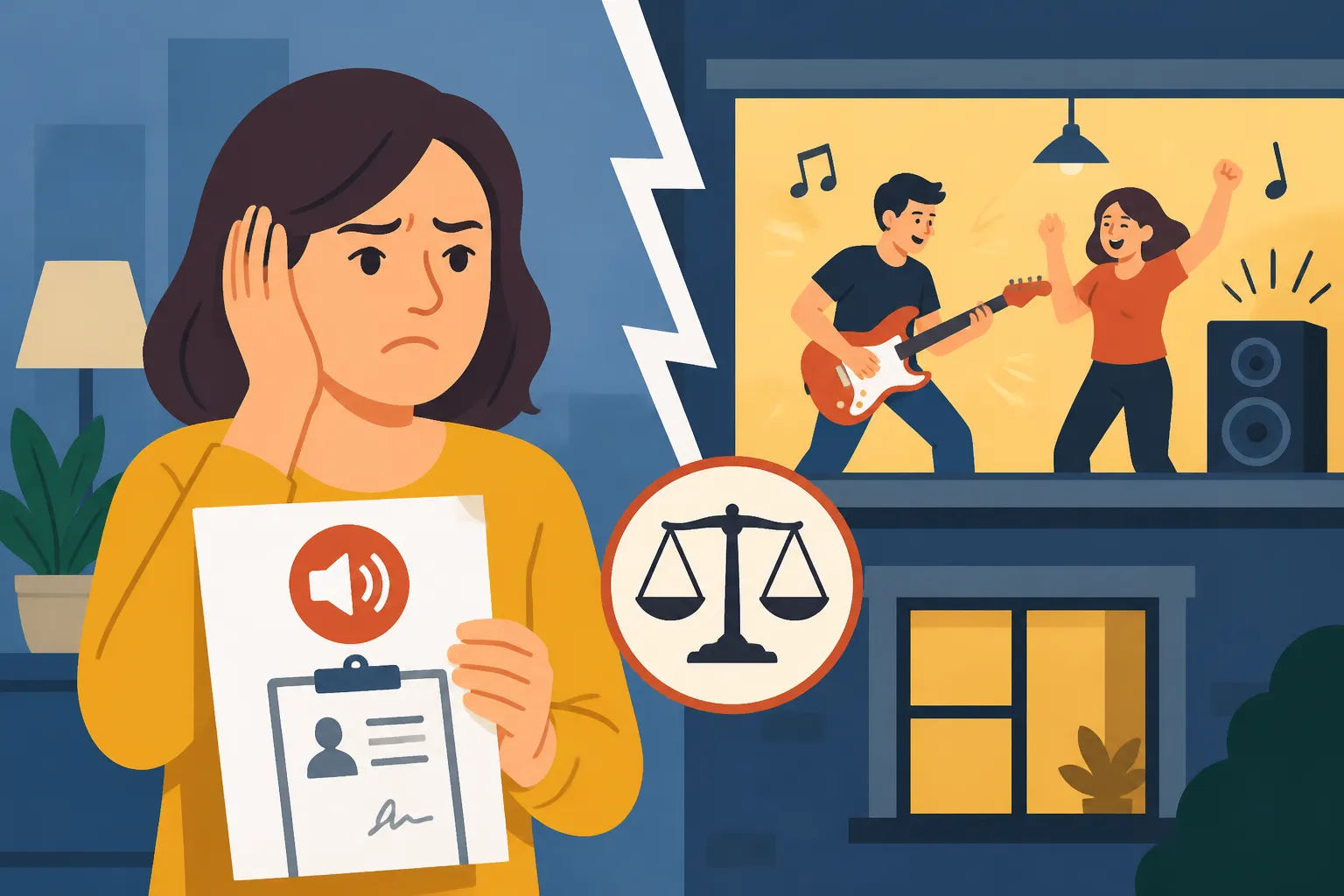
Filing a Formal Complaint About Noisy Apartment Neighbors
Waking up at 2 AM to the thumping bass of a neighbor’s impromptu party is a frustrating rite of passage for many foreigners settling into Austrian cities. I remember my first year in a drafty Altbau in Vienna when my upstairs neighbor decided that 3 AM was the perfect time to practice his operatic tenor; I felt completely helpless and didn't want to be the "cliché complaining foreigner." This guide solves that hesitation by outlining exactly how to navigate the social and legal steps of filing a formal complaint about noisy neighbors in Austria.
Understanding the Legal Framework of Quiet Hours in Austria
Before you even think about picking up the phone or writing a formal letter, you must understand the concept of Ruhezeit (quiet hours). In Austria, silence is not just a social preference; it is often a legally protected right. While specific rules can vary slightly by province or even by the specific house rules of your building, there are general national standards that everyone is expected to follow. Generally, quiet hours are observed from 10:00 PM to 6:00 AM every night. Additionally, Sundays and public holidays are treated as all-day periods of rest where loud DIY work, lawn mowing, or loud music are strictly discouraged.
The distinction between building types is also crucial here. If you are living in an older building, you should read about Altbau vs Neubau: Differences in Rent, Charm, and Heating to understand why sound travels so easily in traditional Viennese architecture. In an Altbau, the wooden floors and high ceilings act like a drum, meaning a neighbor simply walking in heavy shoes can sound like a construction site. This doesn't necessarily mean they are being "noisy" in a legal sense, but rather that the building lacks modern soundproofing. However, if the noise is "ungebührlicher Lärm" (unseemly noise)—such as shouting, loud music, or barking dogs for hours on end—you have a valid ground for a complaint under Everyday Etiquette: Garbage Sorting, Noise, and Ruhezeit protocols.
Your first point of reference should always be the Hausordnung (House Rules). This document is usually posted in the lobby of your building or attached to your rental contract. It specifies exactly when the "night rest" begins and whether there are additional quiet periods, such as a "Mittagsruhe" (midday rest) between 12:00 PM and 2:00 PM. If your neighbor is violating these specific hours, your case for a formal complaint becomes significantly stronger.
The Soft Approach: Direct Communication and Mediation
I cannot stress this enough: do not skip the "polite conversation" phase. Austrians value directness, but they also appreciate a neighborly attempt to resolve things before involving authorities. If you jump straight to calling the police or the Hausverwaltung (Property Management), you risk creating a permanent enemy in the apartment next door. Many times, neighbors simply don't realize how thin the walls are. In my experience, a friendly knock and a "Grüss Gott, would you mind turning the music down just a bit? I have an early meeting tomorrow," works 80% of the time.
If a face-to-face conversation feels too intimidating, a polite, handwritten note in the mailbox is a great middle ground. Keep it neutral and focus on the impact the noise has on you rather than attacking their character. If you are still in your first month in the country, consult a Living in Austria 2027: The Expat Starter Guide to get a feel for the local communication style. Remember, if you speak limited German, you can use a translation app to ensure your note is grammatically correct and polite. Use phrases like "Ich bitte um Ihr Verständnis" (I ask for your understanding) to keep the tone civil.
If direct communication fails and the noise persists, the next step is to start documenting everything. This is where the "Lärmprotokoll" (noise log) comes in. In the eyes of Austrian law and property managers, a vague complaint like "my neighbor is always loud" carries very little weight. You need a detailed list that includes the date, the exact time the noise started and ended, the type of noise (e.g., loud TV, drilling, shouting), and how it affected you (e.g., "could not sleep," "vibrations in the living room"). If you have witnesses, such as other neighbors or visitors, have them sign the log as well. This documentation is essential if you later need to consult Renting in Austria: MRG Laws, Leases, and Bestellerprinzip for legal advice on rent reductions due to noise.
When to Involve the Authorities and the Hausverwaltung
If the "soft approach" and documentation don't yield results, or if the noise is a one-time but extreme disturbance (like a massive party at 4 AM), you have the right to call the police. You can find the relevant contact info in Emergency Numbers: 144 Ambulance, 133 Police, 122 Fire. Use the non-emergency number if possible, or 133 if the situation feels volatile. When the police arrive, they will typically issue a warning and, if necessary, a fine. Having a police report on file is the "gold standard" for evidence when you eventually file your formal complaint with the landlord or the Hausverwaltung.
Filing a formal complaint with the Hausverwaltung is a serious step. This should be done via a registered letter (Einschreiben) or a detailed email. Your complaint should include your Lärmprotokoll and any police reference numbers. The Hausverwaltung is then legally obligated to contact the offending tenant and demand that they cease the disturbance. If the neighbor is also a tenant, repeated violations of the Hausordnung can actually be grounds for an "unbefristet" (unlimited) lease to be terminated, although this is a long and difficult legal process in Austria.
| Type of Noise | Level of Tolerance | Recommended Action |
|---|---|---|
| Normal walking/talking | High (Living sounds) | None; consider rugs or earplugs. |
| Occasional party (notified) | Medium | Polite request if it goes past 1 AM. |
| Regular loud music/TV during Ruhezeit | Low | Lärmprotokoll + Hausverwaltung. |
| Constant dog barking (hours) | Low | Contact owner, then Hausverwaltung. |
| Drilling/Construction on Sunday | Zero | Direct talk, then call 133 if persistent. |
If you find that the Hausverwaltung is ignoring your complaints, you may have the right to a rent reduction (Mietzinsminderung). This is a complex area of the Mietrechtsgesetz (MRG). Basically, if the noise makes your apartment "partially unusable" or significantly reduces your quality of life, you can withhold a portion of the rent—but you must do this correctly to avoid being evicted for non-payment. This is when you should seek professional help from the Employment Rights: Arbeiterkammer, Contracts, and Leave office, as they offer free legal advice for tenants (Mieterberatung) through their consumer protection wing.
Legal Protections and Professional Support Systems
Living with persistent noise can take a massive toll on your mental health. If the situation escalates to the point where you feel harassed or unsafe, you should check if you have Legal Protection Insurance (Rechtsschutzversicherung) Overview. This type of insurance is incredibly common in Austria and can cover the costs of a lawyer if you need to take the matter to court or formally dispute your rent. Many expats overlook this until they are already in a dispute, but it is a lifesaver for navigating the Austrian legal system.
If the noise is causing you significant stress, don't forget that there are support systems available. Sometimes the best way to handle a neighbor dispute is through a professional mediator who speaks both German and English. This can prevent the situation from ending up in a courtroom. If you are living in a specific area like the 10th district, consult the Vienna Neighborhood Guide: Best Districts for Expats to see if there are local community mediation centers (Nachbarschaftsservice) that help resolve district-specific disputes.
Additionally, ensure that your own apartment is as soundproofed as possible while you wait for the legal process to move forward. This includes heavy curtains, bookshelves against shared walls, and thick rugs. While the tenant causing the noise is legally at fault, the reality of the Austrian legal system is that it moves slowly. Protecting your peace of mind in the interim is vital. If you ever feel that the noise is a symptom of a larger issue with the building's infrastructure, you might need to look into Household Insurance (Haushaltsversicherung) Explained to see if any damages or related legal costs are covered.
Finally, keep in mind that being a "good neighbor" in Austria involves a bit of a social contract. If you are planning a party or have a one-off event that might be loud, it is standard etiquette to hang a sign in the stairwell (Stiegenhaus) a few days in advance. This builds goodwill and makes people much more likely to tolerate your noise if they know it has a set end time. By following the rules yourself, you gain much more moral and legal authority when you need to file a complaint against someone else.
Disclaimer
This article is provided for informational purposes only and does not constitute legal advice. Laws regarding noise complaints, tenancy rights, and administrative procedures in Austria are subject to change. For specific legal issues or before withholding rent, please consult a qualified legal professional, the Arbeiterkammer, or a recognized tenants' association (Mietervereinigung).