Finding Halal Butchers and Supermarkets in Vienna
Moving to a new city often means re-learning how to feed yourself, and for those of us who strictly follow a halal diet, Vienna can feel like a maze of pork-heavy menus and confusing supermarket labels. I remember my first week in the city, standing in the middle of a crowded Billa, frantically Googling whether a specific type of bread contained lard or if the "Rindersaftschinken" was truly separated from the pork products. This guide is here to end that confusion, offering a deep dive into the local markets and specialty stores that make maintaining a halal lifestyle in the Austrian capital not just possible, but genuinely enjoyable.
Beyond the Traditional Austrian Supermarket
When you first arrive, you will likely find yourself shopping at the major chains. While these stores are convenient, they are not always the best place for someone seeking a wide variety of halal-certified products. Most expats starting their journey should read the Living in Austria 2027: The Expat Starter Guide to understand the general retail landscape. In a standard Billa, Spar, or Hofer, finding fresh halal meat is extremely rare. While you might find some "halal-style" deli meats or occasional frozen items, the risk of cross-contamination in the processing plants means many strict observers avoid them entirely for fresh cuts.
The "big three" supermarkets are excellent for your basics—milk, eggs, and grains—but you must be wary of the deli counter. In Austria, pork is a cultural staple, and it is handled frequently. If you are Comparing Grocery Prices: Billa vs Spar vs Hofer, you will find that while Hofer is the cheapest for pantry staples, none of them provide the community-focused service of a dedicated halal butcher. Furthermore, the speed at the checkout can be intimidating for newcomers. You might want to brush up on Coping with Supermarket Checkout Speeds in Austria before you head out for a big haul, as the cashiers expect you to pack at lightning speed.
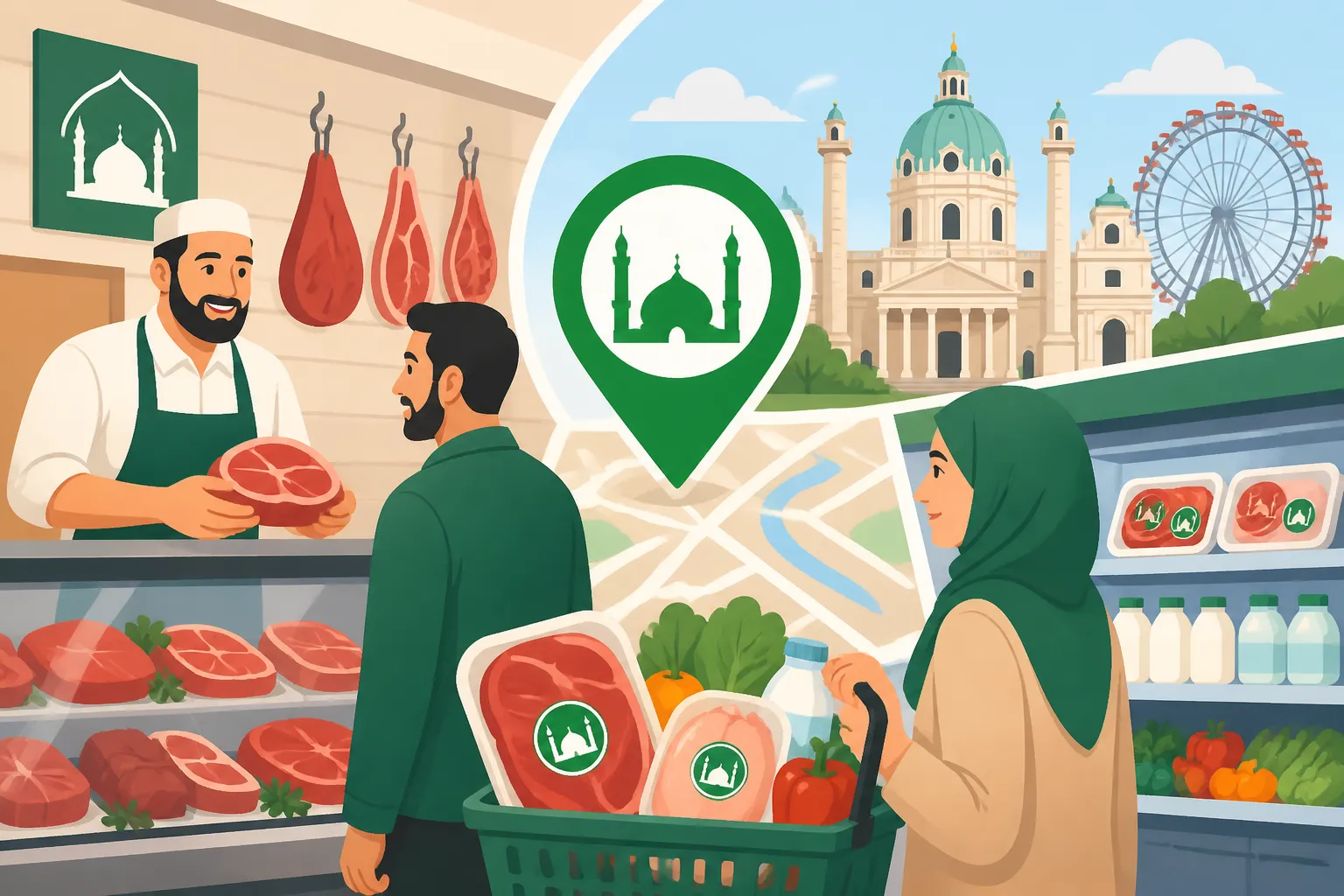
For those Moving to Austria with Family: Schools and Logistics, finding a reliable food source is often priority number one. You quickly learn that the Austrian food industry relies heavily on pork-based gelatine and stabilizers. This is why ethnic supermarkets have become the "hero" of the expat kitchen. These stores, often Turkish or Arab-owned, fill the gap left by local chains by providing certified meat and a range of imported goods from the Middle East and the Balkans.
The Hubs: Where to Find the Best Halal Meat by District
Vienna is divided into 23 districts, and your experience with halal shopping will vary wildly depending on where you sign your lease. If you are still looking for a place to stay, check out the Vienna Neighborhood Guide: Best Districts for Expats to get a feel for the demographics. For the best food, however, three districts stand out: the 10th (Favoriten), the 16th (Ottakring), and the 20th (Brigittenau).
The 10th District: Favoriten
Favoriten is the heartbeat of Vienna’s international community. When you step off the U1 at Reumannplatz, the air smells of grilled meat and fresh bread. This is home to Viktor-Adler-Markt, a bustling market where you can find multiple halal butchers side-by-side. The prices here are often 30-40% cheaper than Spar for equivalent cuts of beef or lamb. While some newcomers might have hesitations based on rumors, I’ve found that Addressing Safety Concerns in Vienna's 10th District (Favoriten) is mostly about understanding the area's vibrant, high-energy atmosphere. It is safe, loud, and the best place to stock your freezer.
The 16th District: Ottakring and the Brunnenmarkt
The Brunnenmarkt is one of Europe’s longest street markets and a paradise for halal shoppers. It stretches for several blocks and is lined with butchers who pride themselves on "Halal-Schlachtung" (halal slaughter). You can find everything from whole chickens to specialty cuts of veal. The advantage here is the proximity to fresh produce; you can grab your meat and then walk ten steps to find the best seasonal vegetables and herbs that you won't see in the plastic-wrapped aisles of a Neubau Billa.
The 20th District: Brigittenau
If you live closer to the Danube Canal, the Hannovermarkt in the 20th district is your best bet. It is slightly smaller than the Brunnenmarkt but offers a very high standard of cleanliness and service. The butchers here are usually happy to cut the meat exactly how you want it, which is helpful if you are trying to recreate recipes from home that require specific dicing or bone-in cuts.
Understanding Labels and Ingredients in Vienna
One of the biggest hurdles I faced was the language barrier on ingredient lists. In Austria, "Schwein" (pork) can hide in many places. You need to look out for "Gelatine," which is almost always pork-based unless specified otherwise. Even if you are looking for Gluten-Free (Zöliakie) Shopping Options in Austria, you still need to be careful with stabilizers and emulsifiers.
Many Turkish supermarkets like Etsan and Aycan have become household names for expats. Etsan, in particular, is like the "halal version" of a local supermarket. They have dozens of locations across Vienna, and almost 100% of their meat counter is halal-certified. They also stock a massive variety of dairy products from Turkey and the Balkans that use microbial rennet instead of animal-based rennet, making their cheeses a safe harbor for those avoiding certain enzymes.
When you are tired of cooking and want to head out, remember that the restaurant culture is different here. You will often find yourself Seating Yourself at an Austrian Kaffeehaus vs Restaurant and needing to ask the waiter specifically about ingredients. While many kebab shops are halal by default, traditional "Gasthäuser" (Austrian taverns) are notoriously difficult to navigate. Always ask: "Ist das Fleisch halal?" or "Ist da Schweinefleisch oder Alkohol drin?" (Is there pork or alcohol in this?).
| Store Type | Best For | Typical Pricing | Availability |
|---|---|---|---|
| Etsan / Aycan | Daily groceries, dairy, frozen halal foods | Moderate | Widespread (All major districts) |
| District Markets | Fresh meat, bulk vegetables, specialty spices | Low | 10th, 16th, 20th Districts |
| Boutique Butchers | Premium cuts, specialized service | High | City Center (1st, 7th) |
| Online (Gurkerl) | Convenience, premium imported brands | High | Delivery city-wide |
Practical Logistics: Sundays and Deliveries
A major shock for many is the Sunday Shopping Laws: Why Everything is Closed. In Austria, the city shuts down on Sundays. This includes almost all halal butchers and supermarkets. If you forget to buy your meat on Saturday, your options are limited to very expensive "Praterstern" or "Westbahnhof" mini-markets, which rarely carry halal meat. Planning is essential. Consider a Saturday morning trip to the 10th district to avoid the Sunday hunger.
If you don't have time to travel to the markets, the delivery service Gurkerl has started stocking more international products, including some halal-certified meats and cheeses. If you use these services, it’s polite to know the etiquette regarding tips; you can find more in our guide on Do You Tip Grocery Delivery Drivers (Billa, Gurkerl)?.
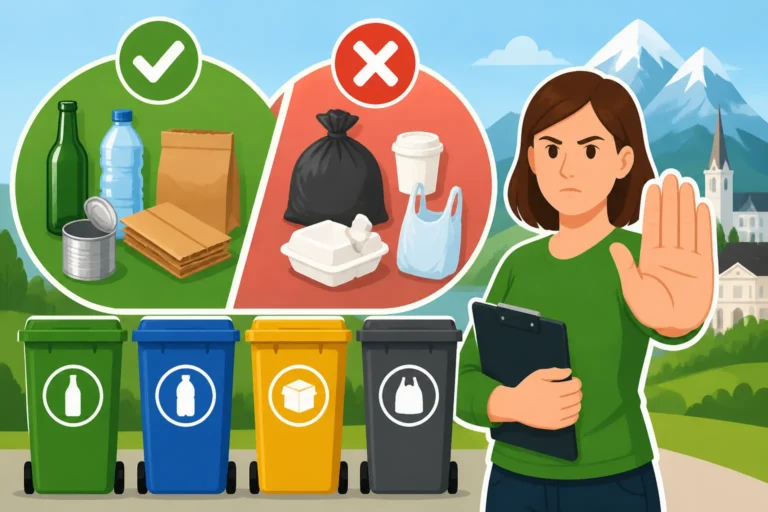
Beyond food, being part of the community means following local norms. Once you bring your groceries home, remember the Everyday Etiquette: Garbage Sorting, Noise, and Ruhezeit. The plastic containers from the butcher must be cleaned and sorted into the yellow bin, and the heavy glass jars of olives go to the neighborhood glass collection.
Finally, don't worry about the water. You will be using a lot of it for cooking and cleaning. One question many newcomers ask is: Is Austrian Tap Water Really Safe to Drink Everywhere?. The answer is a resounding yes. In fact, it is some of the best water in the world, coming straight from the Alps. It’s perfect for making your tea or coffee to accompany that fresh baklava you picked up at the market.
Disclaimer
This guide is for informational purposes only. While every effort has been made to ensure the accuracy of the information provided regarding halal status and store locations in Vienna, businesses can change their suppliers or certification status without notice. Readers are advised to verify the halal certification with the individual shop owners or look for official certification logos (such as IIDC or Halal Quality Control) on-site. The author and publisher are not responsible for any dietary choices or issues arising from the use of this information.