Paying Online with EPS (Electronic Payment Standard)
Navigating the checkout page of an Austrian government portal or a local online shop often reveals a mysterious three-letter logo: EPS. I remember staring at that icon for five minutes during my first month in Vienna, worried I was about to accidentally trigger a complex wire transfer I could not reverse. This guide demystifies the Electronic Payment Standard to make your local financial life seamless.
The Reality of Online Payments in Austria
If you have spent any time trying to pay for a parking ticket, a residence permit fee, or even a bulk order of Mozartkugeln online, you have likely realized that Austria has its own way of doing things. While the rest of the world seems obsessed with credit cards, the Alpine Republic remains deeply rooted in direct bank-to-merchant interactions. This is where EPS, or the Electronic Payment Standard, comes into play. It is not a third-party app like PayPal or a credit card processor; rather, it is a joint interface developed by Austrian banks to ensure that online payments are as secure as a standard bank transfer but as fast as a card swipe.
When I first arrived, I was frustrated that some government sites did not seem to "like" my foreign credit card. It felt like a barrier to integration. However, once I understood that EPS was the preferred local method, everything became much easier. It is integrated into almost every significant Austrian web interface, from the Magistrat systems to major retailers like Billa or Spar. Understanding this system is a prerequisite for anyone looking to master Money in Austria 2027: Banking, Payments, and Financial Setup.
The beauty of EPS lies in its simplicity for the user, though the technical backend is quite robust. It was created as a collaborative effort between the Austrian Ministry of Finance and the leading banking institutions. The goal was to provide a uniform interface for "e-government" and "e-commerce." Because it uses your existing bank’s security infrastructure, you do not have to create a new username or password. You simply use the credentials you already have for your Opening an Austrian Bank Account: Requirements and Top Banks.
How the EPS Process Works Step by Step
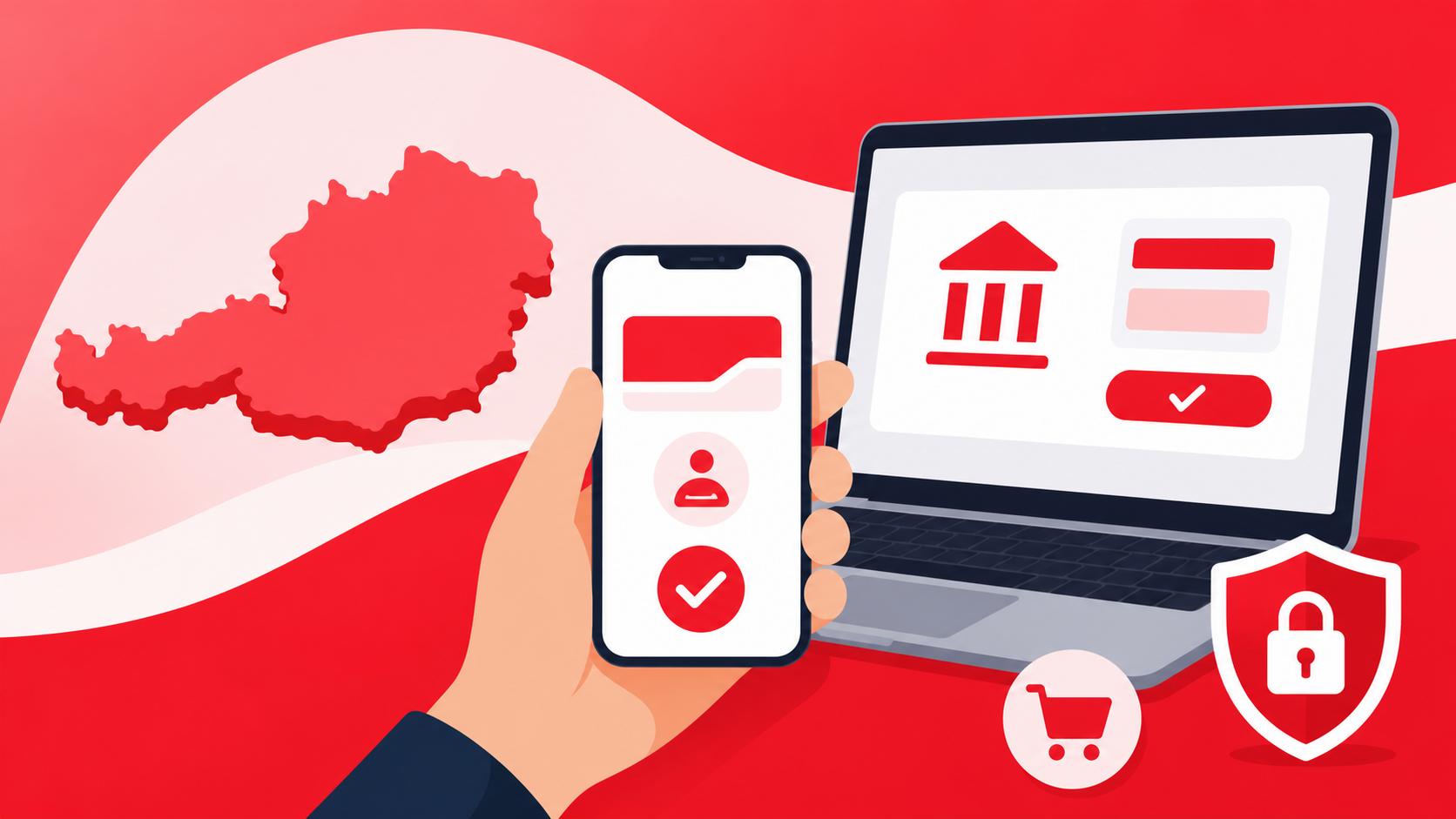
Using EPS for the first time can feel a bit like being handed the keys to a car you’ve never driven, but the "dashboard" is actually very intuitive. The process starts when you reach the payment section of an online store or a public service portal. You will see the EPS logo alongside options for credit cards or "Sofort" transfers. Once you select EPS, you aren't immediately asked for your card number. Instead, you are presented with a list of Austrian banks.
First, you select your specific bank from the dropdown menu. Whether you are using the modern interface of Erste Bank, the traditional local branch of Raiffeisen, or the digital-heavy Bank Austria, they are all represented here. If you are still deciding which bank to use for your daily life, you might want to look into Comparing Erste Bank, Raiffeisen, and Bank Austria to see which one offers the smoothest digital experience. After selecting your bank, you are redirected to your bank's own login page.
This redirection is a critical security feature. The merchant never sees your login details; you are essentially logging into your own online banking environment. Once logged in, the payment details—the recipient, the amount, and the reference number—are already filled in for you. You do not have to worry about typos in the IBAN or forgetting a reference number that could result in your payment getting lost in the system. To finalize the transaction, you simply authorize it using your bank's specific authentication method, usually a push notification on your smartphone or a physical TAN generator. This high level of security is why many expats find it more reliable than other methods when Using ID Austria for E-Banking and FinanzOnline Access.
| Feature | EPS (Electronic Payment Standard) | Credit Card (Visa/Mastercard) | SEPA Direct Debit |
|---|---|---|---|
| Merchant Access to Data | None (Direct via Bank) | Full Card Details | IBAN and Mandate |
| Authorization Method | Bank App / TAN | CVV / SMS / App | Signature / Digital Consent |
| Processing Speed | Instant Confirmation | Instant Confirmation | 2-3 Business Days |
| Transaction Fees | Usually Free for User | Often Free (or hidden) | Free |
| Usage for Government | High / Preferred | Moderate | Low |
Why Expats Should Prefer EPS Over Other Methods
Many expats learn that the "Austrian way" often exists for a reason, usually related to privacy and security. EPS is no exception. One of the biggest headaches when moving to a new country is managing a Lohnzettel Breakdown: Gross vs Net Salary Explained and ensuring that your bills are paid on time without falling victim to online fraud. Because EPS uses the same security standards as your bank (PSD2 compliance), it is arguably the safest way to pay online in Austria.
Another significant advantage is the immediate confirmation. If you are paying for something time-sensitive, like Public Transport Passes: Weekly, Monthly, and Annual Options or a last-minute flight, the merchant receives an instant guarantee of payment from your bank. Unlike a standard bank transfer, which might take a day to clear, EPS tells the merchant "the money is on its way" the second you click authorize. This means your digital tickets are issued immediately, or your groceries are packed for delivery without delay.
Furthermore, it helps in managing your budget. When you use a credit card, there is often a delay between the purchase and the money leaving your account, which can make tracking your spending difficult. With EPS, the amount is usually debited from your checking account immediately. This transparency is vital when you are navigating Bank Fees: Understanding Account Maintenance and ATM Charges and trying to keep a close eye on your monthly outgoings. It prevents that "end of the month" surprise when a credit card statement arrives with a balance higher than you expected.
Practical Scenarios for Using EPS in Daily Life
You will encounter EPS in more places than you might expect. In my experience, the most common use case for expats is dealing with the various administrative fees that come with living in Austria. For instance, when you have to pay the mandatory Registering for the OBS Household Broadcasting Levy, the online portal offers EPS as a primary payment method. It ensures that the "Referenznummer" is perfectly captured, so the authorities know exactly which household the payment belongs to.
It is also incredibly useful for grocery shopping. While I enjoy a trip to the local market, sometimes a busy week requires a delivery. When Comparing Grocery Prices: Billa vs Spar vs Hofer, you will find that their online shops all integrate EPS seamlessly. It allows you to pay for your weekly haul without needing to dig your wallet out of your bag to find a credit card. You just grab your phone, approve the notification from your banking app (like George or ELBA), and you are done.
Lastly, do not forget about your annual obligations. Many people use EPS to pay for their car's "Pickerl" (annual inspection) fees if booking online, or for various municipal taxes. Even if you are a student or a freelancer, you will find EPS is the standard for paying for university enrollment fees or professional insurance premiums. It is much more common than Klarna and Installment Payment Traps in E-commerce, which, while popular with younger demographics, lacks the universal acceptance and official "stamp of approval" that EPS carries in the eyes of Austrian institutions.
Common Troubleshooting and Limitations
While EPS is generally flawless, there are a few quirks you should know about. First, ensure that your online banking "Verfügerlimit" (daily transfer limit) is high enough to cover your purchase. If you are trying to pay for a high-end laptop or a luxury sofa, the transaction might fail if it exceeds your daily limit. You can usually adjust this limit within seconds inside your banking app.
Another thing to keep in mind is that EPS is primarily for those with an Austrian bank account. If you are still using a neo-bank from another country or a bank from your home nation, you likely won't find it in the EPS dropdown list. In that case, you'll need to look at Bankomatkarte (Debit) vs Credit Card Usage in Austria to see which of your existing cards will be accepted. However, for anyone living here long-term, opening a local account is one of the first things I recommend, precisely so you can use tools like EPS.
Finally, remember that an EPS payment is a final transaction. Unlike a credit card where you might be able to easily initiate a "chargeback," an EPS transfer is a direct movement of funds. While you still have all your standard consumer protection and "Gewährleistung" rights under Austrian law, the process for getting a refund usually involves the merchant sending the money back to your IBAN rather than a simple button click in a card portal. This is why it is always important to shop at reputable local retailers and keep your digital receipts organized.
Legal Disclaimer
The information provided in this guide is for informational purposes only and does not constitute financial, legal, or professional advice. While we strive to keep the details regarding the EPS system and Austrian banking regulations up to date, the specific terms, conditions, and availability of services may change. Always consult with your banking institution or a qualified financial advisor regarding your specific financial situation and the security of your online transactions. We are not responsible for any issues arising from the use of third-party payment systems or banking applications mentioned in this article.