Klarna and Installment Payment Traps in E-commerce
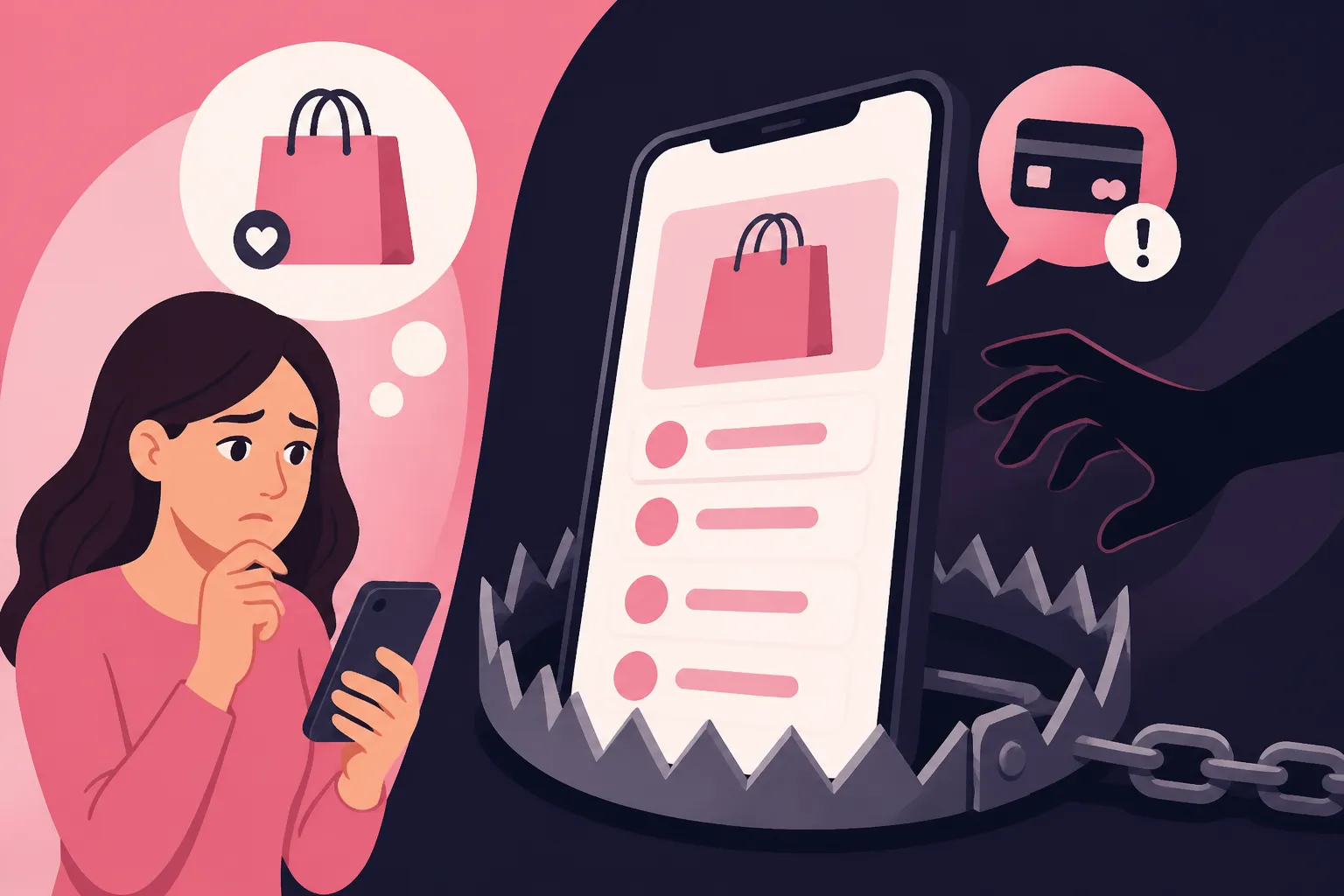
You are scrolling through an Austrian online shop, and as you reach the checkout, you see a flurry of options: "Pay in 30 days," "Installments," or "Pay Now." It feels like free money in the moment, but as someone who once missed a single 15 Euro payment while moving between districts in Vienna, I can tell you that the honeymoon phase ends quickly. This guide helps you navigate the high-pressure world of Austrian e-commerce financing and avoid the pitfalls that catch so many of us off guard.
The Cultural Shift of E-commerce Payments in Austria
Austria was traditionally a cash-heavy society, but the digital revolution has moved into a "buy now, pay later" (BNPL) phase with incredible speed. For many expats, the sheer number of payment options can be overwhelming. While you might be used to simple credit card transactions, the Austrian market is dominated by specific financial products like "Kauf auf Rechnung" (Purchase on Invoice) and structured installment plans. These systems are designed to reduce friction at the point of sale, making it easier for you to hit the "Order" button without feeling the immediate sting of a decreasing bank balance.
When you first dive into Money in Austria 2027: Banking, Payments, and Financial Setup, you will notice that Austrian consumers have a deep-seated trust in paying after they have physically inspected a product. This is why services like Klarna have become the "Hero" of the checkout page. They act as a middleman, paying the merchant immediately while giving you a grace period. However, this convenience creates a psychological disconnect. When payments are deferred, our brains often fail to categorize them as "debt," treating them instead as a future problem. For an expat still adjusting to the local cost of living, this can lead to a messy financial situation before you have even received your first full salary.
Furthermore, many newcomers are unaware of how these small, seemingly insignificant choices impact their broader financial standing. In Austria, every time you choose an installment plan, you are essentially entering into a micro-loan agreement. These are not just "service features" of a website; they are legally binding credit contracts. If you are still in the process of Opening an Austrian Bank Account: Requirements and Top Banks, you might find that using these third-party payment providers is tempting because they often don't require the same rigorous checks as a traditional bank at the moment of purchase—but they certainly report to the same authorities if things go wrong.
The Hidden Mechanics of Installment Traps
The primary "trap" in the BNPL ecosystem isn't the service itself, but the aggressive fee structure and the automated nature of Austrian debt collection. If you opt for an installment plan, you are often looking at interest rates that significantly exceed those of a standard personal loan. While a 12-month plan for a new laptop might look affordable at 40 Euro a month, the effective annual interest rate can sometimes hover between 10% and 15%. Over time, this adds a "hidden tax" to your purchases that could have been avoided with better budgeting or by waiting a few months to buy the item outright.
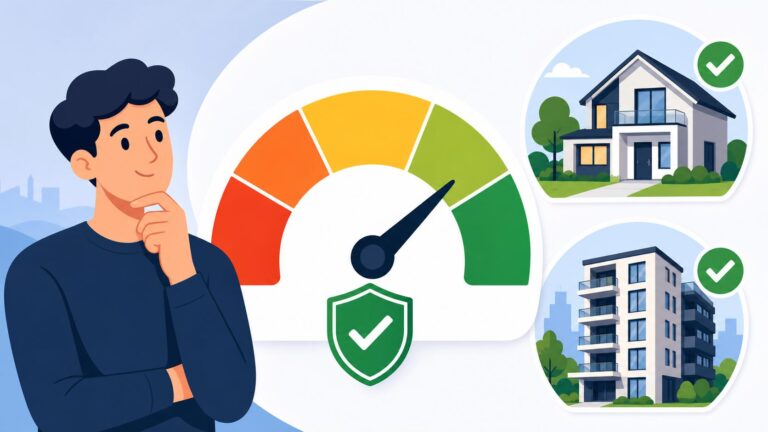
One of the most critical aspects of the Austrian financial system that expats overlook is the role of the KSV1870. This is the primary credit monitoring agency in the country. Every time you take out an installment plan or even use a "pay later" service, a footprint can be left on your credit file. If you have ten different active Klarna "pay in 30 days" orders, a bank looking at your file for a future rental agreement or car loan might see you as a high-risk individual who lacks liquidity. You can learn more about this in our guide on KSV1870 Credit Score: How It Affects Loans and Rentals, which is essential reading if you plan on staying in Austria long-term.
Late fees, or "Mahngebühren," are the next layer of the trap. In Austria, the timeline from a missed payment to a formal warning is incredibly short. Usually, after the first missed deadline, you will receive a "Mahnung" via email or post, which often includes a fee of 5 to 10 Euro. If you ignore this—perhaps because it went to your spam folder or you didn't understand the German text—the debt is quickly passed to an "Inkassobüro" (debt collection agency). Once an Inkasso agency is involved, the costs explode. A 50 Euro missed payment can easily double in size within a month due to processing fees, research fees, and interest. If you are struggling to keep track, it is worth revisiting your Budgeting in Austria: Accurate Cost of Living Benchmarks to see where your money is actually going.
Comparison of Common Payment Methods in Austria
| Payment Method | Immediate Cost | Interest/Fees | Impact on Credit Score | Risk Level |
|---|---|---|---|---|
| Debit Card / EPS | 100% | None | None | Low |
| Kauf auf Rechnung | 0% (Pay in 14-30 days) | High if late | Potential if missed | Moderate |
| Installments (Raten) | ~10% | 10-15% APR | High (Contracted Debt) | High |
| Credit Card | 0% (Pay monthly) | High if not cleared | Moderate | Moderate |
Administrative Hurdles and the "Return Problem"
A very specific trap for expats involves the intersection of returns and payment deadlines. Imagine you order three pairs of shoes, intending to keep only one. You use a "Pay in 30 days" option. You return two pairs, but the shop takes three weeks to process the return. Meanwhile, the payment provider’s 30-day clock is still ticking for the full amount. If the return isn't logged in the provider's system by day 30, you are legally obligated to pay the full invoice or face late fees. Many expats get hit with Mahngebühren because they assume the "return" paused the "payment." It does not. You must manually "report a return" in the app to pause the deadline.
Language barriers add a dangerous layer to this. Most of the legal terms and conditions for these installment plans are written in dense, German legalese. When you click "Accept," you are agreeing to specific clauses regarding "Verzugszinsen" (default interest) and "Exekution" (legal enforcement). If you are not yet comfortable with German, these terms can be a minefield. Many expats don't realize that their Lohnzettel Breakdown: Gross vs Net Salary Explained is something debt collectors can eventually target through "Lohnpfändung" (wage garnishment) if a debt remains unpaid and a court order is issued.
Another administrative trap is the "Meldezettel" issue. In Austria, you are legally required to register your address. If you move and forget to update your address with a payment provider, the physical "Mahnung" letters will go to your old apartment. In the eyes of the Austrian legal system, the letter is considered "delivered" if it reaches the address they have on file for you. You cannot claim you didn't know about the debt because you moved. This is why staying on top of your administrative duties is just as important as managing your cash flow. If you are worried about your financial history, you should look into Fast Ways to Improve a Damaged KSV Score to see how to rectify these errors.
Strategies to Protect Your Financial Health
The best way to handle installment payments is to avoid them entirely for consumer goods that lose value immediately. If you cannot afford the new iPhone today, you likely cannot afford the risk of a high-interest installment plan that could damage your credit score. Instead, try to use Paying Online with EPS (Electronic Payment Standard). This is a direct, secure transfer from your Austrian bank account that ensures the money leaves your balance immediately. It is the most "honest" way to shop because it forces you to face your actual financial reality in real-time.
If you must use an installment plan for an emergency—like a broken washing machine—ensure you have a dedicated "buffer" in your budget. Treat that monthly payment with the same level of seriousness as your rent or your Taxes in Austria: Finanzamt, Returns, and Brackets 2026. Set up a "Dauerauftrag" (standing order) or ensure the direct debit (Lastschrift) is connected to an account that always has a balance. Never rely on manually "remembering" to pay an invoice that arrives via email.
Finally, protect yourself by investing in Personal Liability Insurance (Privathaftpflicht): A Must-Have. While this doesn't pay your Klarna bills, it protects you from other sudden financial shocks that might make it impossible to meet your credit obligations. In Austria, financial stability is built on a foundation of insurance and careful documentation. By keeping your "Finanz-Life" clean and avoiding the siren song of "buy now, pay later," you ensure that your stay in this beautiful country remains stress-free and that you are always ready for the next big milestone, whether that is a new apartment or a career jump.
Disclaimer
The information provided in this article is for educational and informational purposes only and does not constitute professional financial, legal, or investment advice. While we strive to keep the data current for 2026, Austrian laws and company policies regarding e-commerce and credit can change rapidly. Always read the specific terms and conditions of any financial agreement before signing. We are not responsible for any financial losses or credit score damages resulting from the use of third-party payment services or the information contained in this guide.