Using Wise to Transfer Salary to an Austrian Account
Moving to a new country involves a mountain of paperwork, but few things are as frustrating as watching your hard-earned salary evaporate into a cloud of bank fees before it even hits your account. I still remember the sinking feeling in my gut when my first Austrian paycheck arrived nearly fifty Euros short because of a hidden "intermediary bank fee" I never saw coming. This guide will walk you through exactly how to use Wise to bypass those predatory fees and ensure your money stays where it belongs—in your pocket.
Why Traditional Banks in Austria Make Salary Transfers a Headache
The Austrian banking landscape is a mix of tradition and rigid bureaucracy. While institutions like Erste Bank or Raiffeisen are incredibly stable, their international transfer systems often feel like they are stuck in the 1990s. When you are an expat receiving a salary from abroad, or if you are trying to move your initial savings into the country to start your life, the traditional SWIFT network is your biggest enemy.
Traditional banks rarely give you the real exchange rate. Instead, they add a "margin" or a markup, which is essentially a hidden fee. If the mid-market rate is 1.10 but your bank gives you 1.07, you are losing 3% of your salary immediately. On a monthly paycheck of 3,000 Euros, that is 90 Euros gone every single month. Over a year, you’ve essentially handed a round-trip flight back home to the bank for doing almost nothing.
Furthermore, Austrian banks often charge a "receiving fee" for any transfer coming from outside the SEPA (Single Euro Payments Area) zone. If your company is based in the US, UK, or Canada, your Austrian bank might take another 10 to 20 Euros just for the privilege of letting the money land in your account. This is why understanding Money in Austria 2027: Banking, Payments, and Financial Setup is so critical before you sign your first employment contract.
The Hidden Trap of Intermediary Banks
When money travels across borders via the SWIFT network, it rarely goes directly from point A to point B. It often hops through "correspondent banks." Each of these banks can take a small "processing" slice. The most maddening part is that your employer might send the full amount, and your Austrian bank might claim they didn't charge a fee, yet the amount that arrives is still lower. This lack of transparency is exactly what leads to High SWIFT Transfer Fees at Traditional Austrian Banks that catch so many new arrivals off guard.
Setting Up Your Wise Account for Austrian Salary Reception
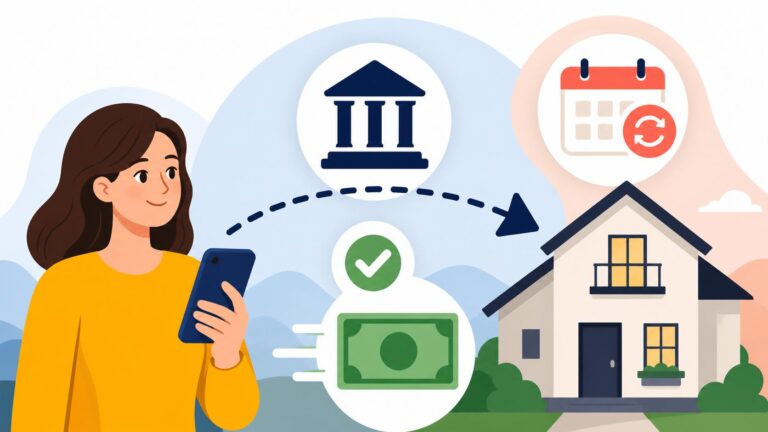
Wise (formerly TransferWise) works differently because they don't actually move money across borders in the traditional sense. They have pools of currency in almost every country. When you "transfer" money to Austria, you are actually paying into their local account in your home country, and they are paying out to you from their local Austrian or European account. This keeps everything within local systems, slashing the costs and the time involved.
To receive your salary, you first need to open a Wise multi-currency account. During the setup, you will be asked to verify your identity. As an expat in Austria, you should have your passport and your Meldezettel (registration of address) ready. Once verified, you can "open" a balance in Euros. This provides you with a personal IBAN.
Understanding the Belgian IBAN Situation
One quirk you will notice is that Wise often provides a Euro IBAN that starts with "BE" (Belgium) rather than "AT" (Austria). Don't panic. Under EU law, specifically the SEPA Regulation, "IBAN discrimination" is illegal. Any employer or service provider in Austria is legally required to accept an IBAN from any SEPA member state. While most modern HR departments are fine with this, some older systems might give you a "standard error" if they are hardcoded to only expect "AT" numbers. Knowing this ahead of time saves you the stress of thinking your account is broken when it's really just a local administrative hurdle.
Verifying Your Account for High-Volume Transfers
If you are a "Very Highly Qualified Worker" or moving into a senior role, your monthly salary might be significant. Wise has strict Anti-Money Laundering (AML) protocols. I highly recommend proactive verification. Don't wait for your first 5,000 Euro transfer to get flagged. Upload your employment contract to the Wise app under the "Source of Funds" section if prompted. This ensures that when payday hits, the money moves instantly rather than sitting in a "pending" state while a compliance officer in London reviews your ID for the third time.
How to Provide Your Wise Details to an Austrian Employer
Once your Euro balance is active, you will find your IBAN and BIC/SWIFT code in the Wise app. You should send these details to your payroll department as early as possible. In Austria, the payroll cycle is very strict, often closing around the 15th of the month for a month-end payout.
When you hand over your details, I suggest providing a "Proof of Account" document, which Wise allows you to download as a PDF directly from the app. This looks professional and includes the Wise logo, your name, and the account details. It helps the HR person feel confident that they aren't sending your Lohnzettel Breakdown: Gross vs Net Salary Explained totals to a random digital void.
Dealing with HR Pushback
If your HR department tells you they "can only pay into an Austrian bank account," stay calm but firm. You can politely mention that IBAN discrimination is prohibited under Article 9 of the SEPA Regulation. Usually, once they realize you know your rights, they find a way to make it work. However, for long-term peace of mind, many expats choose to have a secondary local account. You can read about Opening an Austrian Bank Account: Requirements and Top Banks to find a "free" or low-cost local option to pair with your Wise account.
Transferring from Wise to a Local Austrian Bank
While Wise is amazing for receiving money, there are reasons you might want to move a portion of your salary to a local Austrian bank like Erste, Sparkasse, or Bank Austria. For one, if you ever plan on taking out a loan or a mortgage, having a history with a local brick-and-mortar bank is beneficial.
Additionally, some local insurances or niche utility providers still prefer "AT" IBANs for their SEPA direct debits (Lastschrift). Moving money from Wise to a local Austrian account is usually instantaneous or takes a few hours via a standard SEPA transfer, and it is almost always free.
The Role of Wise in Your Financial Ecosystem
Think of Wise as your "Border Guard." It catches the incoming international currency, converts it at the fairest possible rate, and then passes the Euro "cleanly" into the Austrian system. Once the money is in Euros within the SEPA zone, the local banks can't touch it with those nasty international fees. This is a vital strategy for anyone Working in Austria 2027: Jobs, Culture, and Expat Guide who is still tied to financial obligations or income sources in their home country.
Fees and Exchange Rates: A Real-World Comparison
To illustrate the difference, let’s look at a hypothetical scenario. Imagine you are an American expat in Vienna receiving a monthly consulting fee or a base salary of $5,000 USD from a US-based entity.
| Feature | Traditional Austrian Bank (SWIFT) | Wise Multi-Currency Account |
|---|---|---|
| Exchange Rate | Bank Rate (usually 2-4% markup) | Mid-Market Rate (Real rate) |
| Incoming Transfer Fee | €15 – €40 | €0 (if sent as USD or local) |
| Intermediary Bank Fees | Possible (unpredictable) | None |
| Speed | 3-5 Business Days | Minutes to 1 Day |
| Estimated Total Cost | €120 – €200 per transfer | €20 – €30 (Wise fee) |
As you can see, the difference isn't just a few Euros—it's the cost of a high-end dinner in the first district. Over the course of a year, using Wise can save you enough money to cover your Taxes in Austria: Finanzamt, Returns, and Brackets 2026 preparation fees or a significant chunk of your annual Klimaticket.
Practical Scenarios for Expats Using Wise
Scenario A: The New Arrival
You just landed in Graz. You have no KSV1870 Credit Score: How It Affects Loans and Rentals yet, and opening a bank account at a local branch is taking forever because they want to see your residence permit, which hasn't arrived. You can open a Wise account in minutes using your home country's address and then update it to Austria later. This allows you to receive your first paycheck without delay.
Scenario B: The 13th and 14th Salary
In Austria, you are often paid 14 times a year (holiday and Christmas bonuses). When those double-pay months hit, the exchange rate margin on a traditional bank account becomes even more painful. If you are receiving a double salary from a foreign employer, the savings provided by Wise are effectively doubled. This is one of the best ways to maximize your 13th and 14th Salary Explained: Holiday and Christmas Pay benefits.
Security and Compliance with the Finanzamt
One concern many expats have is whether using an "online" bank like Wise will cause trouble with the Austrian tax authorities (Finanzamt). The short answer is: No, as long as you report your income correctly. Wise is a regulated financial institution. However, you should be aware that the Finanzamt has the right to ask for statements from any account you use to receive income.
Always keep your monthly statements downloaded. If you are ever audited or if you are Filing a Final Tax Return After Relocating Outside Austria, having clear records of every transfer from Wise to your local account will make your life much easier. The transparency of the Wise app, which shows the exact exchange rate and fee for every transaction, is actually much better for tax record-keeping than the vague "Foreign Exchange" entries on a traditional bank statement.
The ID Austria Connection
As you settle in, you will likely set up your "ID Austria," which is your digital signature for government services. While you can't currently "link" Wise to the government's FinanzOnline portal as your primary "refund" account (they usually insist on a standard SEPA bank for that), Wise works perfectly as the "input" for your salary. Use a local account for your tax refunds and government interactions, and use Wise for the heavy lifting of international salary transfers.
Final Advice for a Smooth Payday
To make sure your transition to an Austrian salary is as smooth as possible, follow these "veteran" tips I learned the hard way:
- Test with a small amount: If you are nervous, send $100 first to see how it lands and how long it takes.
- Watch the "Converted By" toggle: If your employer's bank asks if they should do the conversion, always say NO. Let Wise handle the conversion. If the sending bank does it, you are back to their bad rates.
- Check your BIC/SWIFT: Ensure you are using the correct code provided in the "Euro" section of your Wise app, not the one from your home country balance.
- Inform your Banker: If you do have a local Austrian banker, tell them you use Wise for transfers. They won't like it, but it explains why you have large "Self-Transfers" coming in every month, which helps with your internal credit rating.
Using Wise isn't just about being "tech-savvy"—it's about financial survival in a country that is expensive enough as it is. Don't let the banks take a slice of your Austrian dream before you've even had a chance to spend it.
Disclaimer
This guide is for informational purposes only and does not constitute financial, legal, or tax advice. Banking regulations, exchange rates, and fee structures in Austria and for Wise services can change. Always verify current terms and conditions with your financial provider and consult with a qualified tax professional regarding your specific situation in Austria.