Red Flags of a Willhaben Rental Scam (Fake Keys)
Finding a decent apartment in cities like Vienna, Graz, or Innsbruck can feel like a full-time job where the competition is fierce and the stakes are high. I remember my first month in Vienna, refreshing Willhaben every ten minutes, desperate to find anything that wasn't a broom closet for a thousand Euros. This guide uncovers the psychological and technical red flags of the "fake keys" scam to ensure your Austrian dream doesn't start with a financial nightmare.
The Anatomy of the Fake Keys Narrative
The "fake keys" scam is a sophisticated piece of theater designed to exploit the high demand and low supply of the Austrian rental market. It typically begins on platforms where users expect to find private, commission-free listings. The scammer creates a sense of trust by adopting a persona that sounds professional, relatable, and slightly inconvenienced by their current circumstances.
The I am Working Abroad Persona
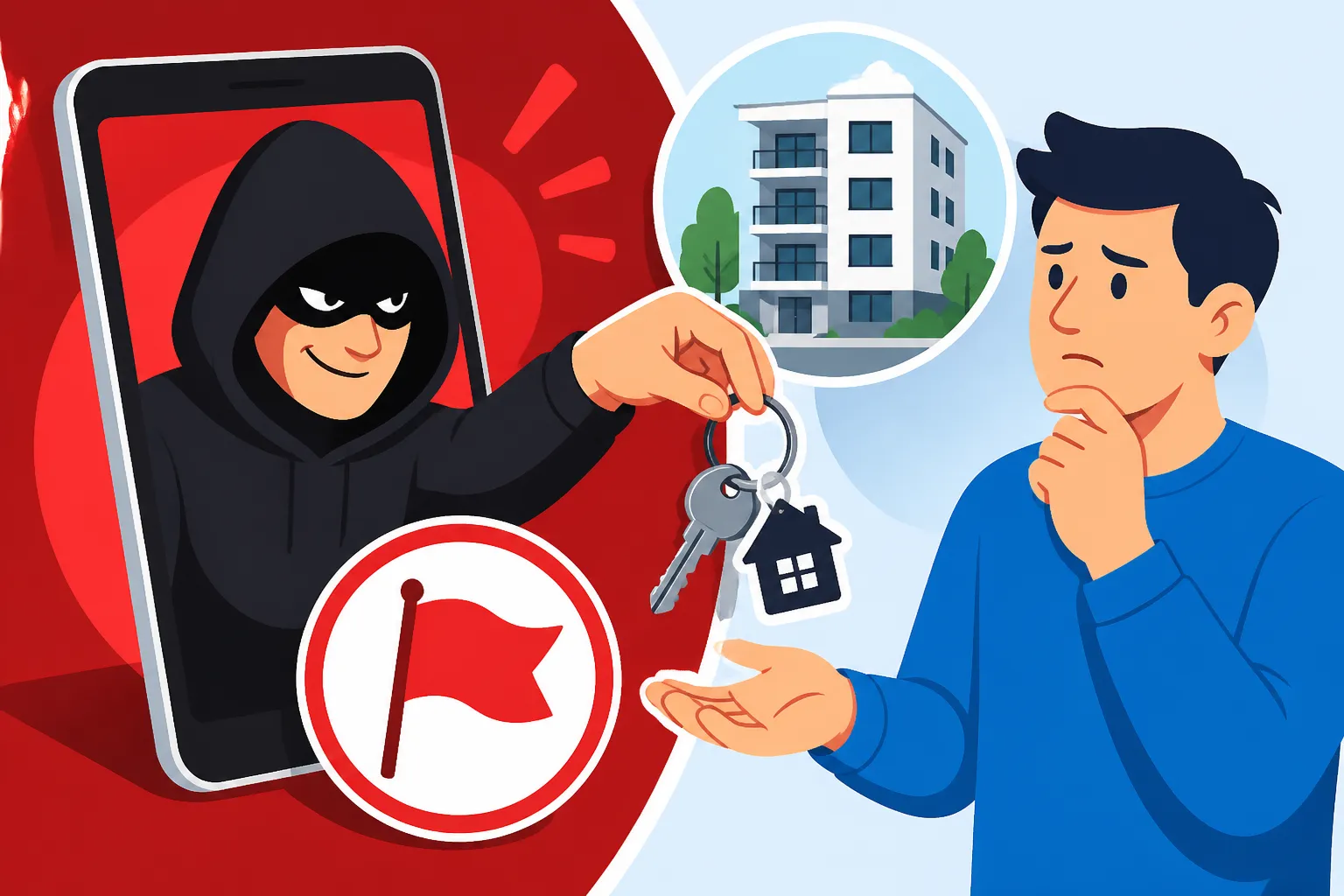
A hallmark of this scam is the landlord who claims to live outside of Austria. You will often receive a long, well-written email (usually in English or perfectly translated German) explaining that they used to live in the apartment but moved to the UK, Ireland, or Scandinavia for a prestigious job. Because they are "so busy" or "can't travel back just for a viewing," they offer to handle the entire process through a "secure" third party.
This script comes up often. They might even send you a scanned copy of a passport or a work ID to "prove" who they are. In reality, these are stolen identities from previous victims. The story is designed to explain why they cannot meet you in person and why they need to mail you the keys. They will promise that once you pay a deposit, a courier service or a platform like Airbnb will deliver the keys to your door so you can inspect the property yourself. If you don't like it, they claim, you get your money back. In the world of Austrian real estate, this simply does not happen. Legitimate landlords either hire a Makler or have a trusted person in the city to show the flat. If you're looking for a place, it’s worth Using Willhaben and ImmobilienScout24 to Find Apartments properly by insisting on face-to-face contact.
The Low Price Trap in High Demand Districts
If you see a 70-square-meter apartment in Vienna’s 7th district or near the University in Graz for €600 inclusive of utilities, your alarm bells should be deafening. Scammers use "too good to be true" pricing to generate a high volume of desperate inquiries. They know that expats, often unfamiliar with the local market, are their primary targets.
When evaluating a price, you need to understand the difference between Altbau vs Neubau: Differences in Rent, Charm, and Heating. An Altbau (pre-war building) often falls under strict rent control laws, but even then, the prices offered by scammers are usually 30% to 50% below the market rate for that specific "Bezirk." They rely on your fear of missing out. They will tell you that ten other people are interested, but they "liked your profile" and want to give the flat to a "responsible person" like you. This flattery is a tactic to make you skip the standard verification steps.
Identifying Platform Manipulation and Payment Scams
The core of the "fake keys" scam involves tricking you into believing a reputable company is mediating the transaction. Scammers are experts at spoofing websites and emails to make them look like they come from official sources.
Fake Airbnb and TripAdvisor Invoices
Once the scammer has your trust, they will suggest using a "Safe Deposit" service via a well-known platform like Airbnb, TripAdvisor, or even Booking.com. They will send you a link to what looks like a legitimate listing on these sites. However, the link is a "phishing" site—a cloned page designed to capture your information and money.
They explain that you must pay the Understanding Kaution (Deposit) and Provision (Commission) through this link. They claim the platform will hold the money in escrow and only release it to the "landlord" after you have received the keys via DHL or UPS and confirmed you want the flat. In reality, as soon as you "pay" through that fake portal, your money is gone. No keys will ever arrive. Genuine long-term rentals in Austria are almost never handled through short-term holiday rental platforms. If a landlord insists on this method, walk away immediately. It is also important to remember the Bestellerprinzip 2026: Landlords Pay the Agent Fee, which means if a landlord did hire an agent, they—not you—should be paying the commission anyway.
Pressure Tactics and Urgent Timelines
Scammers hate questions and they love urgency. They will often tell you that they are only in the country for a few more hours, or that they have a flight to catch, and the "transaction must be completed by noon" for the keys to be shipped. This pressure is intended to stop you from thinking clearly or performing a reverse image search on the apartment photos.
A common trick is for a fake "landlord" to send a fake shipping receipt for the keys before the price has even been agreed. This "favor" is intended to make the prospective tenant feel guilty and rush the payment. Legitimate Austrian landlords are usually quite the opposite; they are meticulous, slow, and want to see a mountain of paperwork from you before they even consider signing a contract. They will ask for your last three payslips and your Meldezettel Process: Registration Your Address Legally from your previous residence. If the person you are talking to seems more interested in how fast you can transfer money than in who you are as a tenant, it is a scam.
Verification Strategies for Savvy Expats
To survive the Austrian rental market, you need to be part detective. There are several concrete steps you can take to verify if a listing is real before you even think about your wallet.
Demanding a Physical Besichtigung
The absolute golden rule of renting in Austria is: Never pay a cent until you have walked through the door of the apartment with the landlord or an authorized agent. A "Besichtigung" (viewing) is a standard part of the culture. Even if you are currently abroad, you should find a local friend or hire a relocation consultant to visit the flat for you.
If the landlord makes excuses—claiming the current tenant is ill, they lost the keys, or they are out of the city—regard the listing as fraudulent. A real landlord wants to meet you. They want to see that you are a real person who will take care of their property. While you are there, check the Move-in Checklist: Utilities, Meldezettel, and Internet Setup to see if the details of the flat (like the type of heating or the cellar compartment) match what was in the ad. If they can’t show you the flat, they don't have the flat.
Checking the Land Registry and Address Details
In Austria, you can actually check who owns a property via the "Grundbuch" (Land Registry). While there is a small fee for this, it can save you thousands. If a person claiming to be "Mr. Schmidt" is offering you a flat, but the Grundbuch says the building is owned by a large insurance company or a different individual, you have your answer.
Furthermore, pay attention to the address details. Scammers often use photos from luxury apartments in Paris or London and list them as being in Vienna. Look out the windows in the photos. Do you see the characteristic Viennese "Dachgauben" (dormer windows) or the yellow-and-green U-Bahn signs? If the architecture looks "off" or too modern for the district mentioned, use a reverse image search. You will often find the exact same photos on a real estate site in a completely different country. Knowing the Vienna Neighborhood Guide: Best Districts for Expats can also help you spot if the view from the window doesn't match the promised district.
Financial Red Flags and Safe Payment Practices
How you are asked to pay is often the clearest indicator of a scam. Austria is a country that still loves its bureaucracy and formal banking structures.
Why You Never Use Western Union or Crypto
If anyone asks you to pay a deposit or the first month's rent via Western Union, MoneyGram, Ria, or Cryptocurrency, it is 100% a scam. These methods are preferred by criminals because they are nearly impossible to trace and cannot be reversed once the cash is picked up.
Legitimate landlords will expect a bank transfer to an Austrian IBAN. Even then, you should only perform this transfer after a contract has been signed by both parties. Most secure rentals use a "Kautionssparbuch"—a specific type of savings account where the deposit is held in your name but pledged to the landlord. This protects both parties. When you are ready to set up your financial life here, make sure you are Opening an Austrian Bank Account: Requirements and Top Banks to ensure you have a local IBAN for legitimate transactions.
Understanding Legitimate Deposit Methods
In a real rental scenario, you will typically sign a "Mietanbot" (a formal offer to rent) first, followed by the "Mietvertrag" (the lease contract). The deposit (Kaution) is usually three months of "Bruttomiete" (gross rent). This is a significant amount of money, which is why scammers target it.
| Feature | Legitimate Listing | Fake Key Scam |
|---|---|---|
| Viewing | Physical Besichtigung is mandatory. | "I'm abroad, check it after you get the keys." |
| Price | Matches local market rates for the district. | Suspiciously low for the size and location. |
| Communication | Often in German; asks for proof of income. | Usually English; uses emotional/pressure tactics. |
| Payment Method | Bank transfer to an Austrian IBAN or Sparbuch. | Western Union, Crypto, or fake "Escrow" links. |
| Key Delivery | Handed over in person at the flat. | "Sent via DHL/UPS" after payment. |
| Documentation | Requires Meldezettel and payslips. | Only asks for your name and shipping address. |
If you ever feel pressured, remember that it is better to stay in a hostel for an extra week than to lose €3,000 to a scammer. The Austrian police (Polizei) take these reports, but once the money has left the SEPA zone, the chances of recovery are slim. Always trust your gut: if the deal feels like a miracle, it’s probably a trap.
Disclaimer
This guide is provided for informational purposes only and does not constitute legal advice. Real estate laws and scam tactics in Austria can change. Always consult with a legal professional or the Mietervereinigung (Tenants' Association) before signing contracts or transferring large sums of money. The author is not responsible for any financial losses incurred.