Estimating Average Utility Costs (Electricity/Gas) in Winter
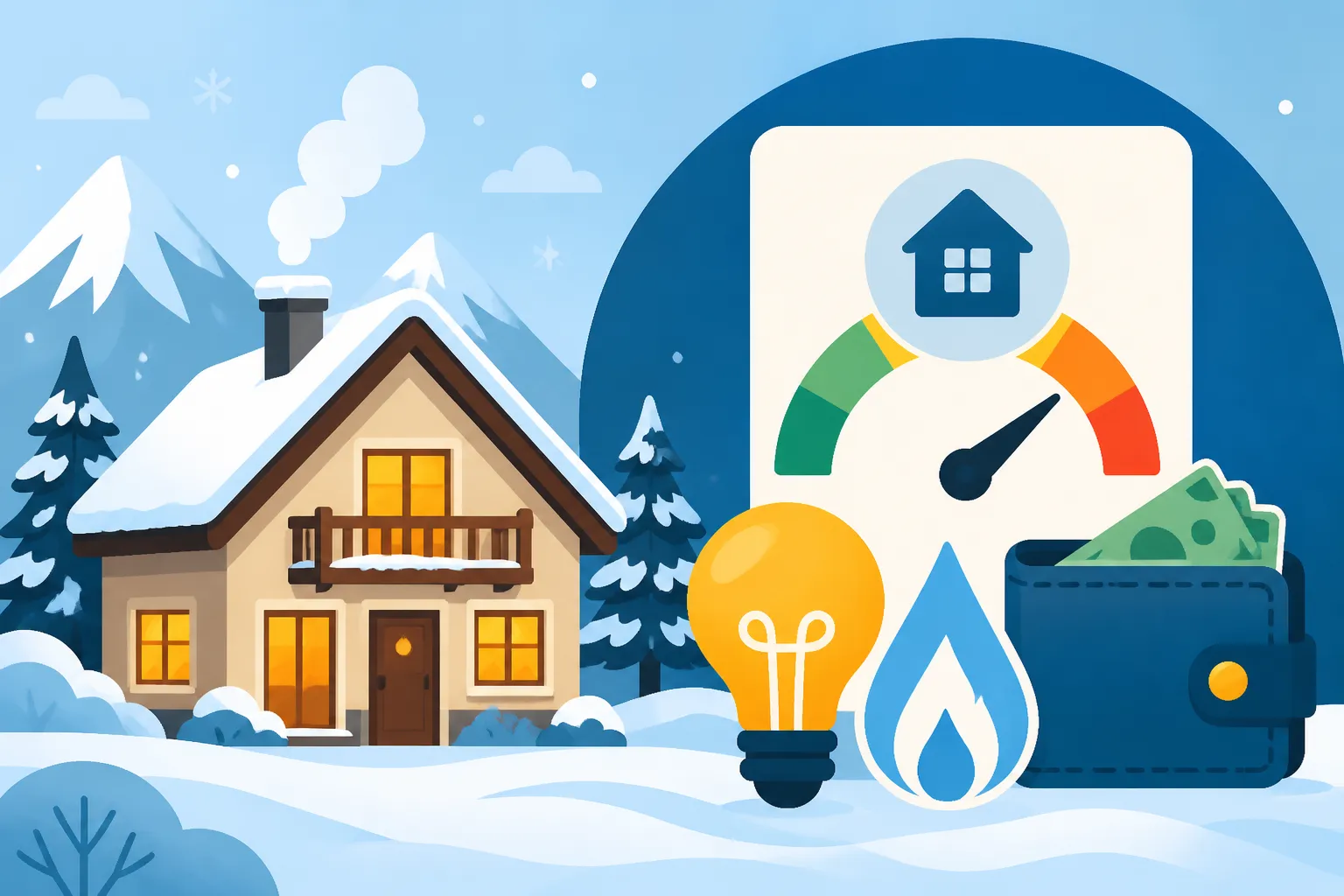
The first winter in an Austrian apartment often brings a rude awakening when that initial utility statement hits your inbox. I still remember my first January in a high-ceilinged Vienna flat, thinking I was being frugal, only to realize the "drafty window" charm of an old building was actually a vacuum for my bank account. This guide breaks down exactly how to estimate your electricity and gas costs for the 2026 winter season, helping you avoid the dreaded financial surprise at the end of the year.
Understanding the Structure of Austrian Energy Bills
To estimate your costs accurately, you first need to realize that your bill is actually split into three distinct parts, and only one of them is truly within your control. Many expats make the mistake of looking only at the "energy price" per kilowatt-hour, but in Austria, the grid fees and taxes often make up more than half of the total amount you pay. This distinction is more important than ever due to shifting infrastructure costs across the federal provinces.
Energy Costs vs Grid Fees
The energy cost is what you pay to your chosen provider, such as Verbund or Wien Energie. This is the competitive part of the market where you can shop around for the best rate. However, the "Netzkosten" or grid fees are set by the regulatory authority, E-Control, and you cannot avoid them by switching providers. These fees pay for the pipes and wires that bring energy to your door.
In 2026, gas network charges have seen a significant hike, rising by an average of 18.2% across the country. This is largely because as more residents switch to heat pumps or district heating, the cost of maintaining the legacy gas pipes is being distributed among fewer remaining customers. If you are living in a region like Lower Austria or Styria, these grid fees have climbed even faster than the national average, making your "fixed" costs higher before you even turn on a radiator.
Fixed vs Dynamic Tariffs
You also need to choose between a fixed price and a dynamic tariff. A fixed price gives you peace of mind for 12 months, which is what is often recommended for newcomers who want predictable budgeting. Dynamic tariffs, on the other hand, track the spot market. While these can be incredibly cheap during sunny or windy days—sometimes even reaching negative prices where the energy itself is free—they can spike dangerously during a cold, stagnant winter week.
For those interested in the latest market shifts, it is worth checking out Electricity Providers in Austria (Wien Energie, Verbund) to see which company currently offers the best balance of stability and price. Most providers in 2026 are offering "guaranteed" rates around 11 to 15 cents per kWh (including VAT), but remember that this is only the energy portion of the bill.
Winter 2026 Benchmarks: What You Can Expect to Pay
Heating is the primary driver of utility costs in Austria, accounting for roughly 70% of a household's energy consumption during the winter months. Whether you are in a cozy studio or a sprawling family home, your heating source and building type will dictate your monthly "Teilbetrag" or installment payment.
Realistic Cost Estimates by Housing Type
An 85-square-meter apartment for a couple typically sees a total utility bill (electricity, heating, and water) between €240 and €315 per month during the winter of 2026. If you are living alone in a 45-square-meter studio, you should budget at least €110 to €140. These numbers assume you are using a standard gas boiler or district heating.
The building's age is the biggest variable here. If you are choosing between Altbau vs Neubau: Differences in Rent, Charm, and Heating, be prepared for the Altbau to cost roughly 30% to 50% more to heat. Those beautiful 3-meter-high ceilings in old Viennese buildings mean there is a lot of empty air to warm up before you actually feel the heat on your skin.
Comparing Heating Systems
The type of fuel your building uses is the second most important factor. In 2026, natural gas remains common but is increasingly expensive due to the grid fee hikes mentioned earlier. District heating (Fernwärme) is often viewed as more convenient, but prices can vary wildly depending on the municipality.
| Heating Type | Average Annual Cost (130m² Home) | Est. Monthly Winter Portion |
|---|---|---|
| Heat Pump | €715 | €90 – €120 |
| Wood Pellets | €740 | €95 – €130 |
| Natural Gas | €1,180 | €150 – €190 |
| District Heating | €1,245 | €160 – €210 |
| Heating Oil | €1,055 | €140 – €180 |
Note that these are "warm" costs. To get a full picture of your housing expenses, you should also factor in the Budgeting in Austria: Accurate Cost of Living Benchmarks for your specific city, as water and garbage fees are often bundled into the building’s operating costs (Betriebskosten).
The Nachzahlung Nightmare and Installment Payments
The Austrian billing system is designed to prevent "bill shock" by evening out your payments over 12 months, but for many expats, it actually causes more confusion. Instead of paying for what you used last month, you pay a "Teilbetrag"—a monthly installment based on an estimate of your future usage.
How Installments are Calculated
When you sign a new contract, the provider looks at the usage of the previous tenant. If that tenant was a single person who traveled a lot and you are a family of four working from home, the estimate will be far too low. This leads to a massive "Nachzahlung" (back payment) at the end of your first year.
Expats can get hit with bills for €1,000 or more because their initial installments were set at €50 when they should have been €150. If you suspect your usage is higher than the estimate, you can actually log into your provider’s portal and manually increase your monthly payment. It feels painful to pay more now, but it is much better than a four-figure surprise during the holidays. For a deeper dive into this specific risk, read our guide on Budgeting for Winter Heating Cost Spikes (Nachzahlung).
The Role of Smart Meters
By 2026, most Austrian households have been equipped with smart meters. This is a game-changer because you can opt-in to monthly billing based on actual consumption. If you do this, your bills will be very high in January and almost zero in July, but you will never have to worry about a year-end reconciliation.
Using a smart meter also allows you to take advantage of the 2026 "solar discount" in some provinces, where grid fees are reduced during peak solar production hours (usually 10:00 to 16:00). Even in winter, shifting your laundry or dishwasher to these hours can shave a few euros off your monthly bill.
Practical Strategies to Keep Your Winter Bills Under Control
Lowering your utility bill in Austria is as much about cultural habits as it is about technology. There are specific local "rules" for home maintenance that every resident is expected to follow, and ignoring them can lead to both high costs and legal headaches with your landlord.
The Art of Stoßlüften
In many countries, people leave windows "cracked" all day for fresh air. In Austria, this is considered a cardinal sin of energy efficiency. Instead, we practice "Stoßlüften"—opening all windows wide for 5 to 10 minutes, creating a cross-breeze, and then shutting them tight. This replaces the air without cooling down the thermal mass of the walls.
Proper ventilation is also essential for preventing mold in older apartments. If you don't do this correctly, you might find yourself needing Household Insurance (Haushaltsversicherung) Explained to deal with property damage. You can find a step-by-step tutorial on this local habit in Lüften: The Austrian Art of Ventilating Rooms in Winter.
Managing Your Boiler and Radiators
If your apartment uses gas, remember that Gas Boiler Maintenance (Thermenwartung): Tenant Responsibility is a legal requirement. An unmaintained boiler can use up to 10-15% more gas than a clean one. Furthermore, if the boiler breaks and you haven't had it serviced annually, you—not the landlord—will likely be responsible for the multi-thousand-euro replacement cost.
In 2026, you should also be aware of the Strompreisbremse 2026: How the Electricity Price Brake Works. While the original massive subsidies from the energy crisis have evolved, there is still a government-backed "10-cent guarantee" that kicks in automatically for the first 2,900 kWh of consumption if market prices spike above a certain threshold. Monitoring your usage to stay within this subsidized "buffer" can save an average family about €200 to €300 per year.
Financial Readiness for New Arrivals
If you are just arriving and setting up your life, utilities are just one piece of the puzzle. Make sure you understand how these costs fit into your broader financial picture, from your Lohnzettel Breakdown: Gross vs Net Salary Explained to your daily grocery spending. For families, the Cost of Living in Vienna: Singles vs Families guide provides a more holistic view of how to balance the budget when heating costs start to climb.
Disclaimer
The information provided in this guide is for informational purposes only and represents estimated costs based on market data available as of 2026. Energy prices, grid fees, and government subsidies are subject to change based on regulatory decisions and market volatility. Always check with your specific energy provider for the most accurate and up-to-date pricing for your residence.