Fingerprinting and Biometric Data Collection Process
Navigating the sterile hallways of the MA 35 or a local Bezirkshauptmannschaft can feel like a test of endurance, especially when a single smudged fingerprint feels like it could derail your entire life in Europe. I remember sitting in a plastic chair in Vienna’s 20th district, palms sweating, wondering if my "worn-down" fingertips from years of manual work would even register on their high-tech scanners. This guide breaks down exactly what happens during the biometric data collection process so you can walk in prepared and walk out one step closer to your residency.
Understanding Biometrics in the Austrian Immigration Context
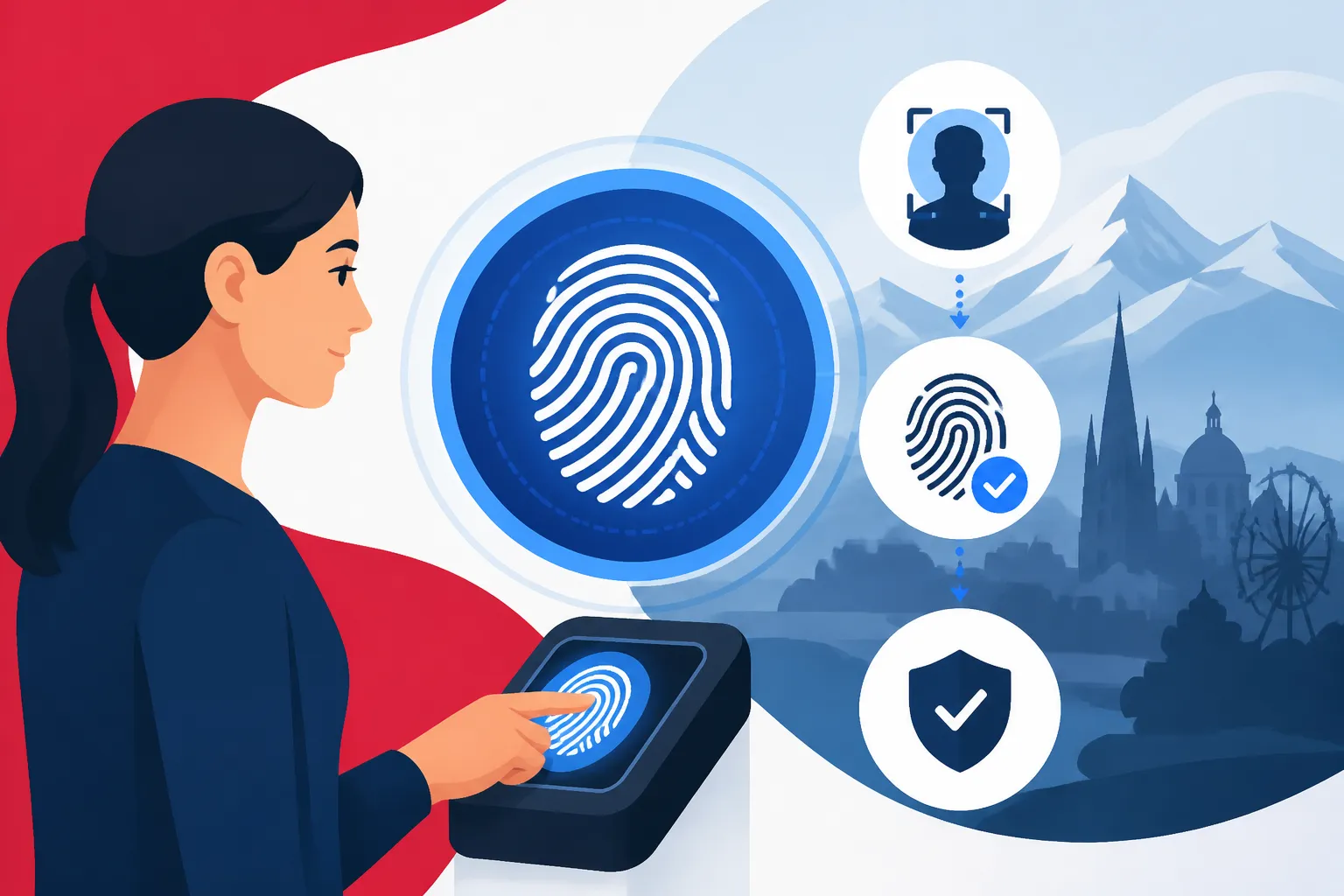
Biometric data collection is no longer just a "security feature" in Austria; it is the fundamental backbone of the entire Austria Visas & Residence Titles 2027: Complete Guide. When the Austrian authorities speak about biometrics, they are referring to a specific set of physical characteristics that are unique to you: your fingerprints, your facial image, and your digitized signature. This data is stored on a highly secure chip embedded within your physical residence card, allowing police and border officials across the Schengen Area to verify your identity instantly.
The technology used by the Austrian Ministry of the Interior has become even more sophisticated. The goal is to create a "tamper-proof" link between the person and the document. For us expats, this means the days of grainy, printed photos and ink-stained fingers are long gone. Everything is digital, and the margins for error are incredibly slim. If your data doesn't meet the central system's quality threshold, the application simply won't move forward in the queue.
The legal basis for this is rooted in both EU-wide regulations and the Austrian Settlement and Residence Act (NAG). Every person over the age of six applying for a residence permit must undergo this process. It doesn't matter if you are a CEO or a student; the scanner treats everyone the same. Validating these frustrations is important because the process can feel invasive and overly bureaucratic, but understanding that it is a universal requirement for everyone in the system helps take some of the personal sting out of the appointment.
Preparing for Your Biometrics Appointment
The first hurdle is actually getting the appointment. Depending on where you live, this might happen at the same time you submit your initial application, or you might receive a separate "Invitation to Biometrics" (Einladung zur Biometrie) after your documents have been pre-screened. If you are in a major city, you will likely be dealing with MA 35 and Bezirkshauptmannschaft Procedures for Expats. In smaller towns, you’ll visit the local BH, which usually offers a slightly more relaxed atmosphere but remains just as strict regarding the technical requirements.
When you prepare your folder for the day, don't just bring the basics. You need your current valid passport, the invitation letter (if you received one), and most importantly, a biometric-compliant photo. Even though they will scan your face at the office for certain permit types, they still require a physical "Passbild" that meets the Strict Dimension Requirements for an Austria Visa Photo. Applicants are sometimes turned away because their photo was six months and one day old, or because they were smiling just a fraction too much. In Austria, a "neutral expression" is a legal requirement, not a suggestion.
It is also wise to ensure your hands are in good condition. If you have any cuts, heavy calluses, or temporary skin conditions like eczema on your fingertips, it can interfere with the optical scanners. While the officials are used to this, it can lead to multiple failed attempts and increased stress. Newcomers are often advised to moisturize their hands for a few days leading up to the appointment—it sounds silly, but it makes the digital sensors pick up your ridges much more clearly, potentially saving you thirty minutes of "re-rolling" your fingers.
The Step-by-Step Fingerprinting Process
Once your name or number is called, you’ll be ushered into a small cubicle. The official will first verify your passport and look at your physical photo. Then, the fingerprinting begins. Austria uses a "live-scan" system, which means no ink is involved. You will be asked to place your fingers on a glass plate that looks like a small, glowing tablet. Usually, the process starts with your right index finger, followed by the left, and then the "four-finger slap" where you press your four fingers (excluding the thumb) down simultaneously.
The official might have to apply a bit of pressure to your hand to ensure a good reading. Don't be alarmed; they aren't being aggressive, they are just trying to get the "green light" from the software. If a scan fails, they might ask you to rub your fingers on your forehead (to get a bit of natural oil) or use a provided cleaning wipe. In my experience, the officials at the Dresdner Straße office in Vienna are incredibly fast, which can feel a bit overwhelming if you don't speak German fluently. Just follow their hand gestures; they do this hundreds of times a day.
After the fingerprints, you will be asked to sign a digital pad. This signature will be shrunk down and printed onto your actual residence card. Make sure you sign within the box and try to match the signature in your passport as closely as possible. Discrepancies here can occasionally trigger extra questions. Finally, they may take a digital "control photo" using a camera mounted on the desk. This is used for internal facial recognition software to ensure the person standing in the office is the same person whose photo is in the file.
Biometric Data and Your Residence Permit
Once your data is captured, it is encrypted and sent to the Central Register of Aliens (Fremdenregister). This data is linked specifically to your case file, whether you are applying for a Red-White-Red Card (RWR): Application and Requirements or a simple Student Visa (Aufenthaltsbewilligung Student) Comprehensive Guide. The importance of this step cannot be overstated: your residence permit cannot be printed until the biometric data is successfully "married" to your approved application in the system.
One question I often get is how long this data is kept. Under current Austrian data protection laws, your biometrics are stored for the duration of your residency and a specific period thereafter. However, you generally have to re-submit your biometrics every time you renew your card. Even if your fingerprints haven't changed, the system requires a fresh capture to ensure the digital signature and photo are up to date. This is particularly relevant if you are on the path toward the Permanent Residency (Daueraufenthalt-EU) Timeline, where your data will be checked against your initial entries multiple times over the years.
There is also a privacy aspect to consider. Austria is very strict about data usage. Your fingerprints are not shared with random government agencies; they are specifically for identity verification within the scope of the Aliens Police Act. However, they are accessible to the police during a standard identity check if they have reason to doubt your physical card. This integrated system is why you are rarely asked to carry your physical passport once you have your residence card—the card itself is a biometric passport-equivalent for the purposes of staying in Austria.
Common Challenges and Expat Tips
The biggest challenge is often the "Technical Rejection." Sometimes, despite everyone's best efforts, the system simply won't accept a set of prints. This is common among the elderly, people with certain skin conditions, or those who work with harsh chemicals. If this happens, don't panic. The official will usually try a different finger or, in extreme cases, note a "physical impossibility" in the file. This requires a specific override from a supervisor, which can add time to your appointment but won't result in a visa denial.
Language barriers are another significant hurdle. Many officials at the MA 35 speak English, but they aren't legally required to. If you are nervous, it’s a good idea to have a few key German phrases ready, or consider Finding Sworn and Certified Translators in Austria to accompany you if your case is particularly complex. Most of the time, though, the biometric process is "pantomime-friendly." They point, you press.
For those moving with family, managing children during biometrics is a special kind of stress. Children over six must give prints, and getting a squirming seven-year-old to hold their finger still on a glass plate for five seconds is no easy feat. Bring snacks, toys, and plenty of patience. The officials are generally more patient with kids, but the machines are not. If the child's prints are too small or blurry, you might be asked to come back in a few months when they've "grown into" their ridges.
After the Appointment: What Happens Next?
Once the biometrics are finished, you’ll usually be given a confirmation slip or told that "the process is complete." This does not mean your visa is issued. It simply means the technical portion of your file is ready. The authorities will now perform their final background checks, which include verifying your Apostille and Legalization Requirements for Foreign Documents and ensuring your financial status is stable.
You can often track the progress of your application through the official portals. Knowing How to Check Your MA 35 Application Status Online is a lifesaver for your mental health during the 8-to-12-week waiting period that often follows. Once the status changes to "Produced" (Produziert), your card is being printed in the state printing house (Staatsdruckerei) and will be sent to your local office for collection.
When you go to pick up your card, you will have to verify your identity one last time, often with a single finger-scan to ensure the card's chip works and matches the person picking it up. This "validation scan" is the final click of the puzzle. Once you have that plastic card in your hand, the stress of the biometric process fades, replaced by the relief of knowing you are legally settled in Austria for the foreseeable future.
Comparison of Biometric Requirements by Permit Type
| Permit Type | Fingerprints Required? | Photo Specs | Signature Required? | Validity of Data |
|---|---|---|---|---|
| Red-White-Red Card | Yes (10 fingers) | EU Biometric Standard | Yes (Digital) | Length of Permit |
| Student Visa | Yes (10 fingers) | EU Biometric Standard | Yes (Digital) | 1 Year (Renewable) |
| Permanent Residency | Yes (10 fingers) | EU Biometric Standard | Yes (Digital) | 5 Years |
| EU Citizen ID (Photo ID) | Optional | EU Biometric Standard | Yes (Digital) | 10 Years |
| Family Reunification | Yes (Age 6+) | EU Biometric Standard | Yes (Digital) | Length of Sponsor's |
| Problem | Potential Solution |
|---|---|
| Dry/Worn Fingerprints | Use urea-based moisturizer for 3 days prior. |
| Language Gap | Bring a friend or a translation of the invitation letter. |
| Photo Rejection | Use a professional shop that guarantees "Passbild" compliance. |
| Wait Times | Book the earliest possible morning slot (7:30 AM or 8:00 AM). |
| Sweaty Palms | Ask the official for a paper towel to dry your hands before scanning. |
The biometric process is a rite of passage for every foreigner in Austria. It is bureaucratic, it is impersonal, and it can be intimidating. But by arriving with the right documents, "scan-ready" hands, and a realistic expectation of the wait times, you can turn a potential nightmare into a routine administrative step. Remember that everyone sitting in that waiting room with you is in the same boat, and the officials, despite their stern demeanor, are just trying to get the green light on their screen so they can move on to the next file.
Disclaimer
This guide is for informational purposes only and does not constitute legal advice. Immigration laws and biometric procedures in Austria are subject to frequent change. We strongly recommend consulting the official website of the Austrian Ministry of the Interior (BMI) or seeking professional legal counsel before making any residency-related decisions. The author is an expat sharing personal experiences and research, not a government official.