How Effective is LinkedIn for Job Hunting in Austria?
Navigating the Austrian job market as a foreigner often feels like trying to solve a puzzle where the pieces are written in a dialect you haven't quite mastered yet. I remember sitting in a small cafe in Neubau, refreshing my browser and wondering if my LinkedIn profile was even visible to the recruiters in this city. This guide solves the mystery of LinkedIn’s actual effectiveness in Austria and provides a blueprint for turning your profile into a local recruiter magnet.
The Cultural Shift from Xing to LinkedIn in the Austrian Market
For decades, the DACH region (Germany, Austria, Switzerland) was dominated by a platform called Xing. If you weren't on Xing, you essentially didn't exist in the professional world. However, as I’ve observed over the last few years living here, the tide has turned dramatically. Today, LinkedIn is not just effective; it is the primary gateway for international talent and modern Austrian companies. While traditional "Old Economy" firms—think small manufacturing plants in Lower Austria or legacy family businesses—might still cling to older methods, the tech, finance, and creative sectors in cities like Vienna and Graz have moved almost entirely to LinkedIn.
The effectiveness of the platform hinges on understanding the "Vitamin B" culture. In Austria, Beziehungen (relationships) are everything. LinkedIn acts as a digital bridge to build this Vitamin B before you’ve even stepped foot in a local office. If you are an expat, LinkedIn is your most powerful tool because it bypasses the traditional, often closed-off circles of the local job market. However, you cannot treat it like a generic job board. It requires a localized strategy that respects Austrian Work Culture: 14 Salaries, Meetings, and Etiquette while showcasing your international edge.
Recruiters here are increasingly using LinkedIn’s "Recruiter" backend to headhunt specifically for English-speaking roles. If your profile is optimized with the right keywords, you aren’t just looking for jobs; you are being found by them. Many expats land interviews simply because they appeared in a search for niche skills that are currently in short supply in the local market. But beware: a half-baked profile can be more detrimental than having no profile at all, as it signals a lack of attention to detail—a trait highly valued in the Austrian workplace.
Optimizing Your Profile for the Austrian Recruiter’s Eye
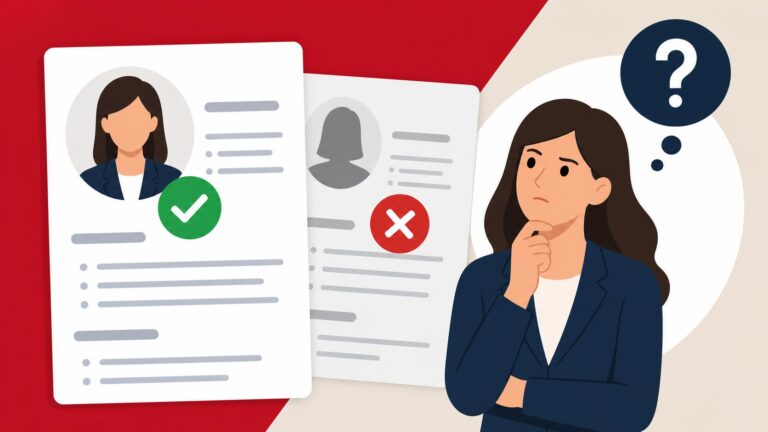
To be truly effective on LinkedIn in Austria, you have to adapt to local expectations. One of the biggest shocks for many expats is the obsession with professional photography. In many countries, putting a photo on your profile or CV is discouraged or even illegal to prevent bias. In Austria, it is the standard. A high-quality, professional headshot where you look approachable yet serious is non-negotiable. I learned this the hard way when I realized my "casual outdoor" photo was being viewed as "unprofessional" by conservative HR managers in Vienna. You should check out the Resume (Lebenslauf) and Interview Guide for Austrian Employers to understand how these visual cues translate across all your application materials.
Your "About" section needs to be a balance of hard facts and soft skills. Austrians value qualifications and titles immensely. If you have a Master’s degree or a specific certification, ensure it is prominently displayed. At the same time, you should mention your German language level honestly. Even if you are applying for Finding English-Only Jobs: Industries and Top Companies, stating that you are "currently learning German" or have "A2 proficiency" shows a commitment to integrating into the local culture. This small detail can often be the deciding factor for a recruiter who is worried about how you will fit into the office social life.
Another critical element is the "Skills" section. You should align these with the terminology used in a typical Kollektivvertrag (Collective Agreement). For example, if you are in IT, don't just list "Coding." List the specific frameworks and methodologies that appear in local job ads. Recruiters often filter by these exact terms. Additionally, ensure your location is set to the specific Austrian city you are targeting, even if you haven't moved yet. This tells the algorithm—and the recruiters—that you are serious about the relocation and ready to start the Red-White-Red Card Employment Journey from Offer to Start process if necessary.
| Platform | Best For | Effectiveness for Expats | Language Focus |
|---|---|---|---|
| International corps, Tech, Startups | Very High | English/German | |
| Karriere.at | Local companies, SMEs, All sectors | High | Mostly German |
| Conservative sectors, Public service | Low to Medium | German | |
| Stepstone.at | Management, Senior roles | Medium | German/English |
| Willhaben | Part-time, Manual labor, Entry-level | Low | German |
Digital Networking and the Art of the Cold Message
One of the most effective ways to use LinkedIn in Austria is through proactive networking, but there is a fine line between being "proactive" and being "annoying." The Austrian professional world is somewhat formal. When reaching out to someone for a Coffee Chat Networking Culture in Austria, you must maintain a level of "Sie" (formal you) unless their profile clearly suggests a more casual "Du" approach. Start by following the company’s page and engaging with their content. When you eventually send a connection request, always include a personalized note.
New arrivals are often advised to target "Expat Enablers"—people who have already made the move and are working in your desired industry. These individuals are usually more empathetic to your situation and can provide "insider" tips on which departments are actually hiring. Ask them about their experience with the Job Hunting Strategy for English Speakers in Austria rather than asking for a job directly. This builds a genuine connection that can lead to a referral, which is the gold standard for getting your foot in the door in this country.
Don't forget the power of LinkedIn Groups. There are several dedicated to expats in Austria and specific professional circles in Vienna. Participating in these groups allows you to see "hidden" job postings that never make it to the main job feed. It’s also a great place to ask about the nuances of a Kollektivvertrag (Collective Agreement) for a specific role. Remember, the goal of LinkedIn networking in Austria isn't just to get an interview; it's to build a reputation as someone who is already part of the professional ecosystem.
Comparing LinkedIn with Local Alternatives
While LinkedIn is incredibly effective, it shouldn't be your only tool. If you are looking for Finding Entry-Level English Jobs in Vienna, you might find that LinkedIn has a lot of competition. This is where local boards like Karriere.at come in. Karriere.at is the "home player" in Austria and often carries listings for smaller, highly successful companies (the "Hidden Champions") that don't bother posting on international platforms because they prefer local candidates.
The most effective strategy is a hybrid one. Use LinkedIn for headhunting and networking, but keep an eye on Top Job Boards in Austria (Karriere.at, LinkedIn, Stepstone) for the raw volume of listings. When you find a job on a local board, go back to LinkedIn to see if you have any connections at that company. This "double-tap" method ensures that your application doesn't just sit in an inbox but is backed by a digital presence that confirms your professional standing.
Another thing to keep in mind is the salary transparency. In Austria, job ads are legally required to state a minimum salary based on the collective agreement. LinkedIn is getting better at integrating this, but local sites are still superior for this data. You’ll need this information when you get to the stage of Salary Negotiation: Always Talk Brutto (Gross), Not Net. Understanding the "Brutto" (gross) figure listed in an ad and how it translates to your "Netto" (take-home pay) is vital before you hit "Easy Apply" on a LinkedIn post.
Hidden Features and Advanced LinkedIn Tactics for Austria
To truly stand out, you need to use the features most people ignore. The "Open to Work" feature is obvious, but have you used the "Service Pages" if you are a freelancer? Or the "Featured" section to upload your How to Read an Austrian Job Ad (Abbreviations Explained) analysis or a portfolio of your work? In a country that loves documentation, having your certificates and work samples easily accessible on your profile is a massive advantage.
Also, pay close attention to the "Skills Assessments." While they might seem trivial, some larger Austrian recruitment agencies use these to filter candidates for technical roles. Taking a 15-minute quiz to get a "Verified" badge for Excel, Python, or Project Management can actually boost your ranking in local search results. It’s a small effort that signals to the recruiter that you are willing to go the extra mile—a quality that is highly prized in the reliable, steady world of Austrian business.
Lastly, stay active. The LinkedIn algorithm favors users who post and comment. You don't need to be an "influencer," but sharing an article about an industry trend in Austria or commenting on a local company's milestone shows that you are engaged with the local economy. This is particularly helpful if you are trying to break into a new city. By interacting with the Graz business community, for instance, you start to appear in the "People also viewed" sidebar for recruiters in that region.
Legal and Administrative Considerations for LinkedIn Users
Before you get too far into your LinkedIn journey, remember that your profile is a public document. In Austria, privacy is taken very seriously under GDPR. While you want to be visible, you should also be careful about the information you share. Ensure your contact information is professional and that your "Public Profile" settings are optimized so that recruiters can see your full experience even if they aren't connected to you.
If you are currently abroad and using LinkedIn to find work, be upfront about your visa status. Mentioning that you are eligible for a specific permit or that you are already in the process of applying for an EU Blue Card Austria: Eligibility and Salary Thresholds can save everyone a lot of time. Recruiters appreciate the honesty, and it prevents the frustration of getting deep into an interview process only to realize there is a legal hurdle that hasn't been addressed. The more you can present yourself as a "ready-to-go" candidate, the more effective LinkedIn will be for you.
Disclaimer
This guide is intended for informational purposes only. The Austrian job market and immigration laws are subject to change, particularly regarding visa requirements and labor regulations for 2026. Always consult with a legal professional or the Austrian Chamber of Commerce (WKO) before making significant career or relocation decisions.